Alcatraz
Some climbing
- 1The dock and the Building 64 barracksWhere the ferry lands, under a long army barracks that later housed prison staff families.
- 2The Main CellhouseThe concrete cell block of 1909 to 1912 near the top of the island, the heart of the visit.
- 3The Recreation YardA walled yard beside the cellhouse, where prisoners spent their time outdoors.
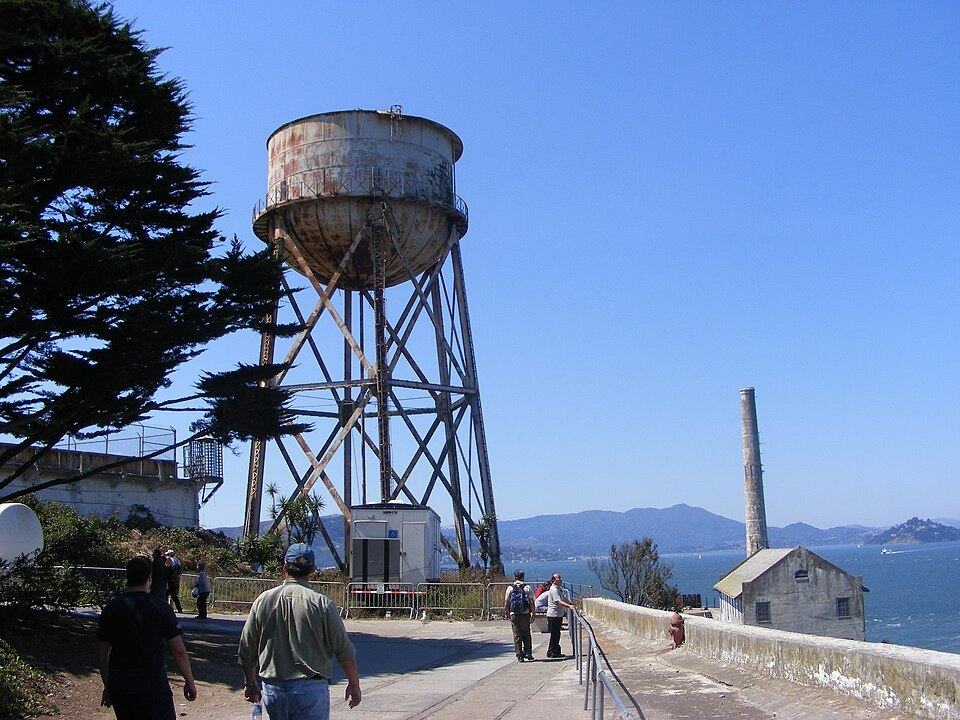
- 4The Water TowerA tall tank still carrying slogans painted during the 1969 to 1971 occupation.
- 5The LighthouseA successor to the first lighthouse on the West Coast, standing beside the cellhouse.
- 6The gardens and the ruinsThe terraced gardens, the Parade Ground and the ruined shells of the Warden's House and Social Hall.
Reading the place
Why it matters
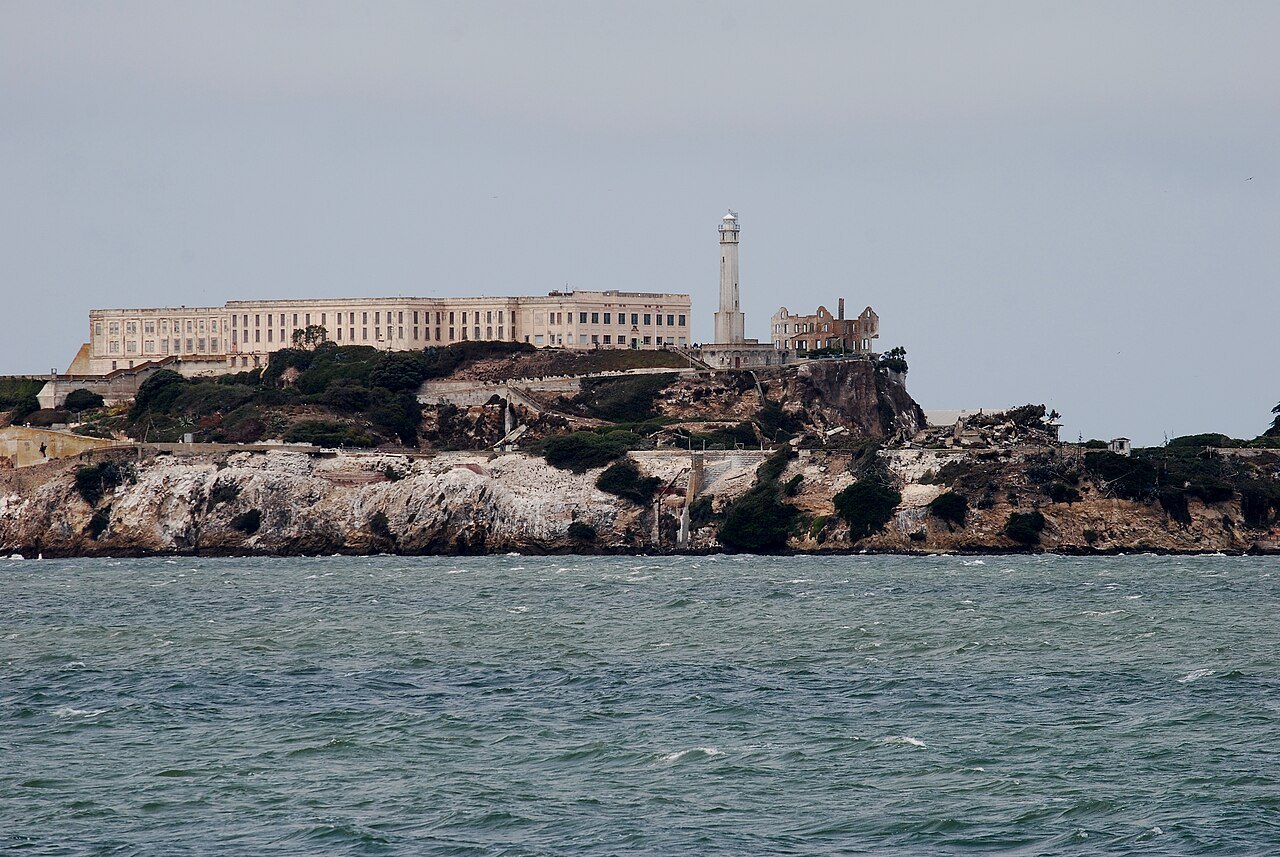
Alcatraz is a small, steep rock in San Francisco Bay, about a mile and a quarter from the city's northern waterfront and close to the Golden Gate. It has been a fort, an army prison and, from 1934 until it closed on March 21, 1963, the federal penitentiary whose name became shorthand for a prison nobody escapes. Since 1972 it has been part of the Golden Gate National Recreation Area, and nearly 1.4 million people visit it every year.
The island is also more than the prison. It carries the oldest operating lighthouse on the West Coast, Civil War fortifications, tide pools, a seabird colony of gulls, cormorants and egrets, and the paint of the Native American occupation of 1969 to 1971, which changed federal policy toward American Indians.
A fort, then a prison
The Spanish officer Juan Manuel de Ayala charted the bay in 1775 and gave the name Isla de los Alcatraces, the island of the gannets or pelicans, to what is now Yerba Buena Island; the name later passed to this rock. After California became American, the Army fortified the island from 1853, and when the Civil War began it mounted dozens of cannon around its edge.
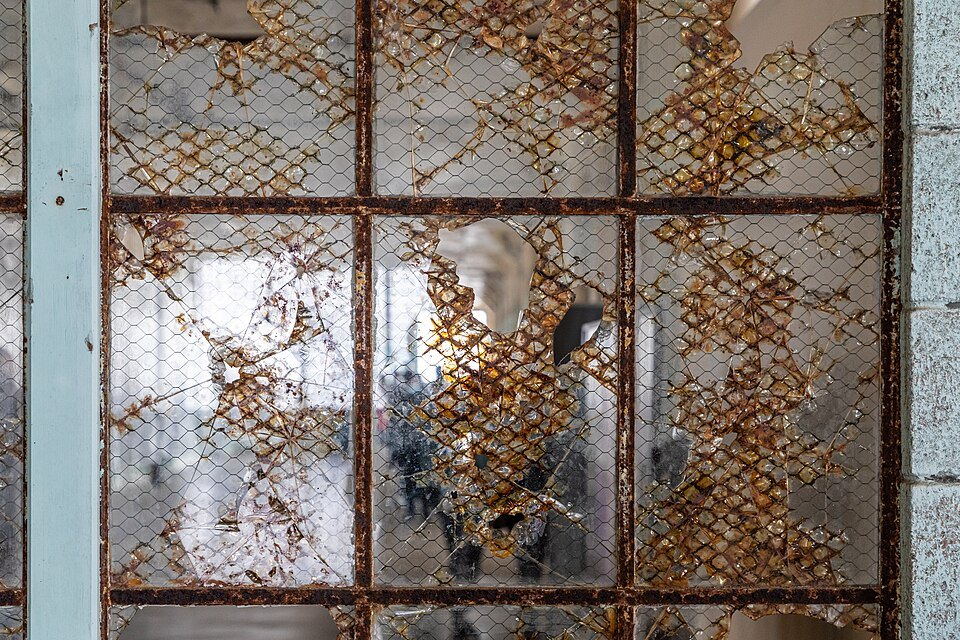
Because of the cold water and the strong currents around it, the island was holding soldiers convicted of crimes as early as 1859. The Army built a brick jail in 1867, and in 1909 began the huge concrete cell block that still dominates the island, completed in 1912. The old fortress, the Citadel, was cut down to its basement to make room, which is where the legend of dungeons beneath the cellhouse comes from. After the 1906 earthquake, prisoners from the city's jails were moved here for safe keeping.
The federal penitentiary
In 1933 the Army handed the island to the Justice Department, and in August 1934 it became a federal prison meant for men who caused trouble in other prisons. The first prisoners arrived that month. Over its 29 years it held some of the best-known criminals in American history, among them Al Capone, George "Machine Gun" Kelly, Alvin Karpis and Robert Stroud, the "Birdman of Alcatraz". Every man had a cell of his own, and the food had a reputation for being good, which was part of the regime's logic: fewer grievances, fewer riots.
The prison's reputation rested on the water. Of the escape attempts made over the years, the one everyone knows is the June 1962 escape of Frank Morris and the brothers John and Clarence Anglin, who dug out through ventilation ducts, left dummy heads in their beds and set off on a raft of raincoats; they were never seen again. The prison closed the following year, largely because it cost far more to run than other federal prisons, and every drop of fresh water had to be shipped in by boat.
The occupation of 1969 to 1971
On November 20, 1969, a group of American Indians calling themselves Indians of All Tribes landed on the island, then surplus federal land, and held it for nineteen months, until June 11, 1971. Led by Richard Oakes, LaNada Means and others, with John Trudell as spokesman, they argued that abandoned federal land should return to the Native peoples who had lived on it. The occupation ended by force, but it helped end the federal policy of terminating tribes and set a precedent for American Indian activism. Graffiti from those months is still visible on buildings around the island, most famously on the Water Tower.
What you see
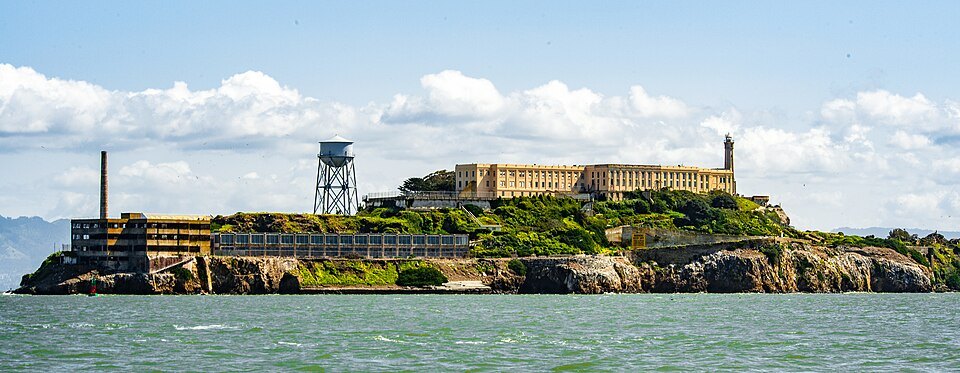
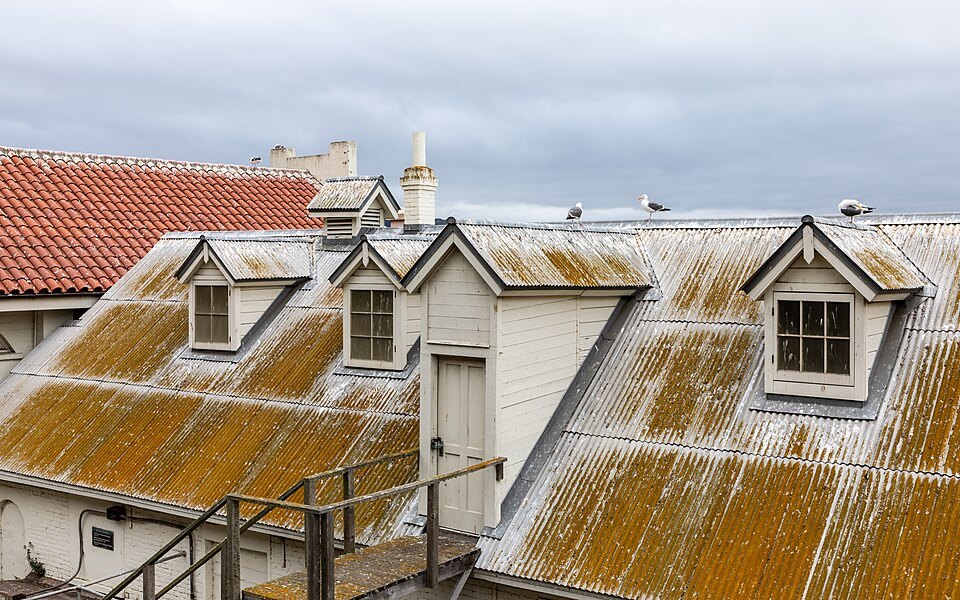
Ferries land at the dock below Building 64, an old barracks later turned into apartments for the families of prison staff, who lived on the island with a school of their own. From the dock a road climbs past the ruined shells of the Warden's House and the Social Hall to the cellhouse near the top of the island, some 135 feet above the tide.
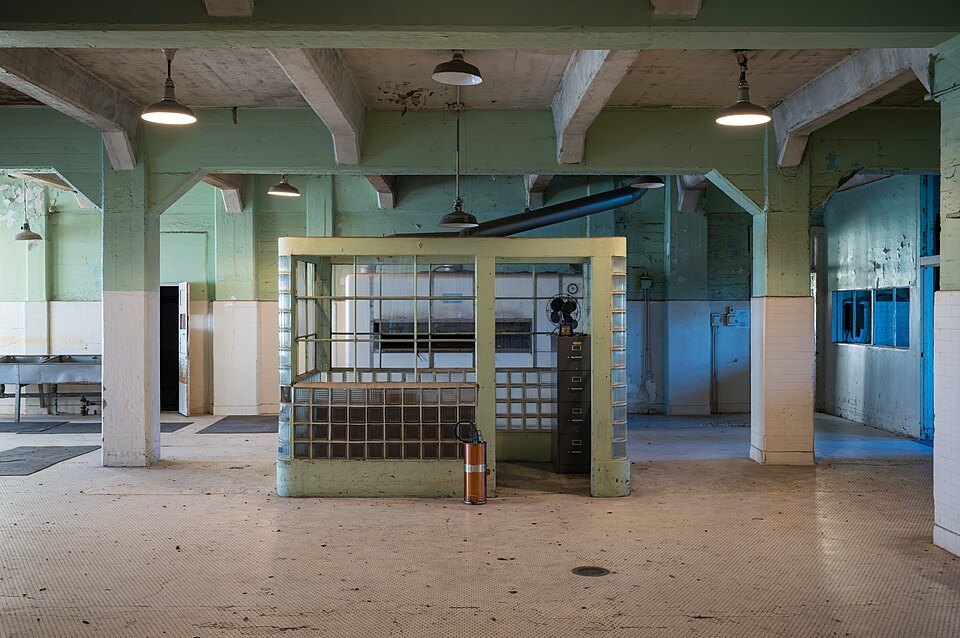
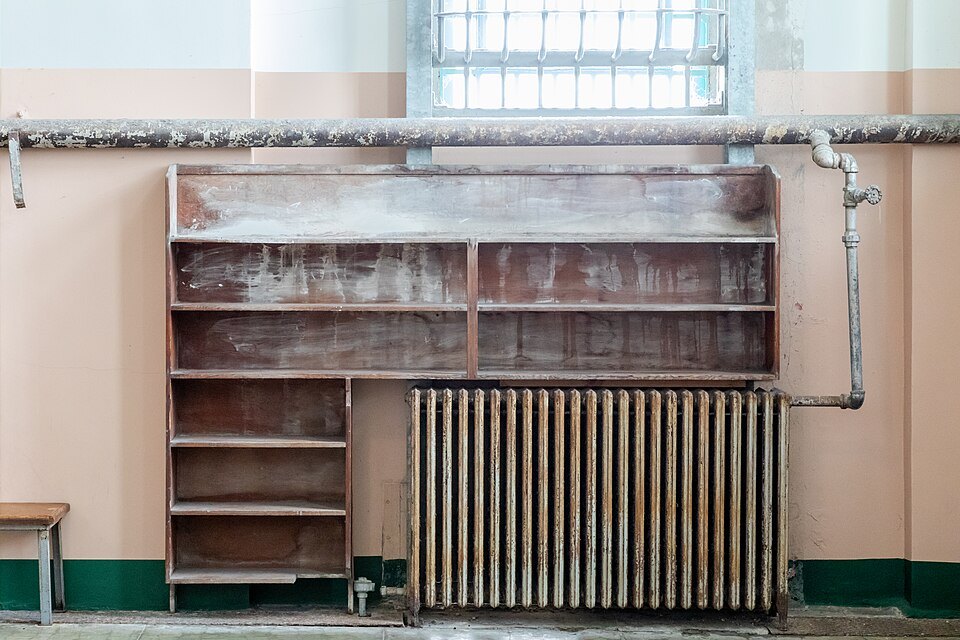
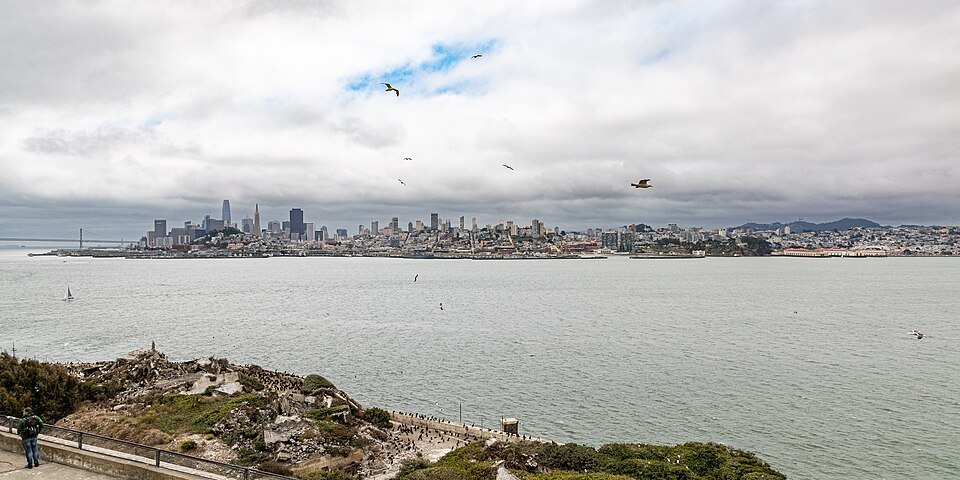
Inside, the cellhouse is the reason most people come: the long corridors of cells three tiers high, the main aisle the prisoners called Broadway, the dining hall, the library and the isolation cells of D Block. Outside are the Recreation Yard with its high walls, the Lighthouse, the Water Tower with its painted slogans, and the Parade Ground at the island's southern end, the flattened area left by an abandoned plan to level the whole rock. On clear days the views reach the city skyline, the Bay Bridge and the Golden Gate.
How to visit
The island is reached only by boat. The concessioner's ferries leave from Pier 33 on the Embarcadero, between the Ferry Building and Fisherman's Wharf, and this is the one booking in San Francisco to make well ahead: see booking ahead. Only buy from the official concessioner; resellers and harbor cruises that circle the island do not land.
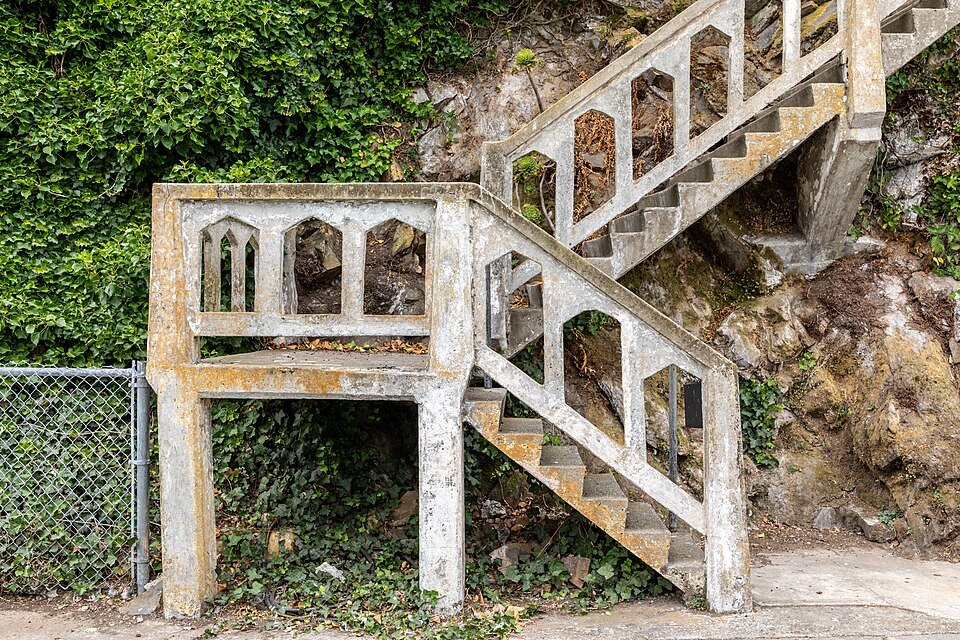
Plan on most of a half day, counting the crossing and the time on the island. The walk from the dock to the cellhouse is steep and uneven in places; the hills page has the details for anyone who uses a wheelchair or finds long climbs hard, and the park publishes its own accessibility information. It is often windy and noticeably colder on the water and on the island than in town, so bring a layer even in summer.
Myths and facts
No prisoner is known to have escaped successfully, but nobody can say for certain that none did: the three men of June 1962 were never found, alive or dead. The "dungeons" under the cellhouse are the basement of the older Citadel, not secret cells. And the island's name has nothing to do with the prison: it is an old Spanish word for a sea bird.
Nearby
- NearbyFisherman's Wharf and the Hyde Street PierA working fishing harbor turned the city's most visited waterfront, with a pier of sea lions at one end and a fleet of historic ships at the Hyde Street Pier at the other.Read the page
- NearbyThe Ferry Building and the EmbarcaderoThe city's old front door to the Bay: a terminal of 1898 with a 245-foot clock tower, freed from a freeway after 1989 and reopened in 2003 as a working ferry terminal with a food hall under its glass roof.Read the page
- NearbyCoit Tower and Telegraph HillA fluted concrete tower of 1933 on Telegraph Hill, paid for by a firefighting socialite's bequest, with New Deal fresco murals in its lobby and a stairway garden down the hill's eastern face.Read the page