Home · Booking Ahead
What to book, and what not to
| What | Ahead? | What to know |
|---|---|---|
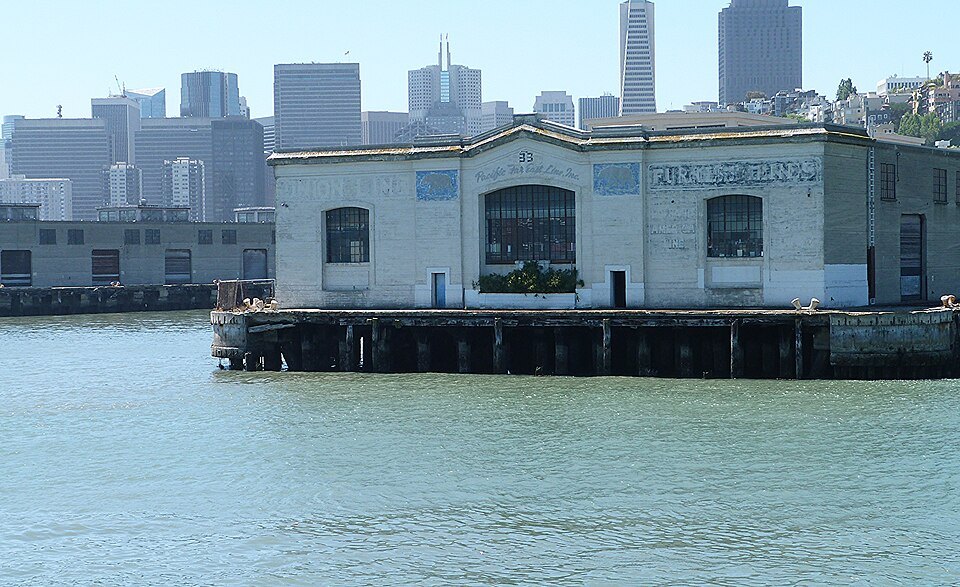
| Alcatraz | Arrange ahead | All access to the island is by the ferry company under contract to the National Park Service, from Pier 33. Book with it directly, as early as your plans allow. |
| Cable car fares at the busy turntables | Arrange ahead | At Powell and Market, Bay and Taylor, and Hyde and Beach, the transit agency asks you to buy your fare before boarding during the day: on the MuniMobile app, a Clipper card or a visitor Passport. |
| Special exhibitions at the big museums | Arrange ahead | SFMOMA, the de Young and the Legion of Honor set their own ticketing; the major exhibitions are the thing most worth reserving. |
| Transit cards and passes | Arrange ahead | Set up a Clipper card or the MuniMobile app before you ride; Muni's visitor Passports cover the cable cars too. |
| The Golden Gate Bridge | Just go | Free to walk; check which walkway the bridge district has given to people on foot that day. |
| Chinatown, North Beach and the Mission | Just go | Public streets, with nothing to book except a table for dinner. |
| The parks and viewpoints | Just go | Golden Gate Park, the Presidio, Lands End, Twin Peaks and Alamo Square are all public land. |
| The Ferry Building and the Wharf | Just go | Walk in; the ships at the Hyde Street Pier and the museums set their own ticketing. |
Booking Ahead
Why so little needs planning
Most of San Francisco is public streets, parks and waterfront, open to anyone who walks in. The Golden Gate Bridge, Chinatown, the Painted Ladies, Lombard Street, the Presidio, Lands End and Twin Peaks cost nothing and need no reservation, and many of the city's best days are built entirely from them.
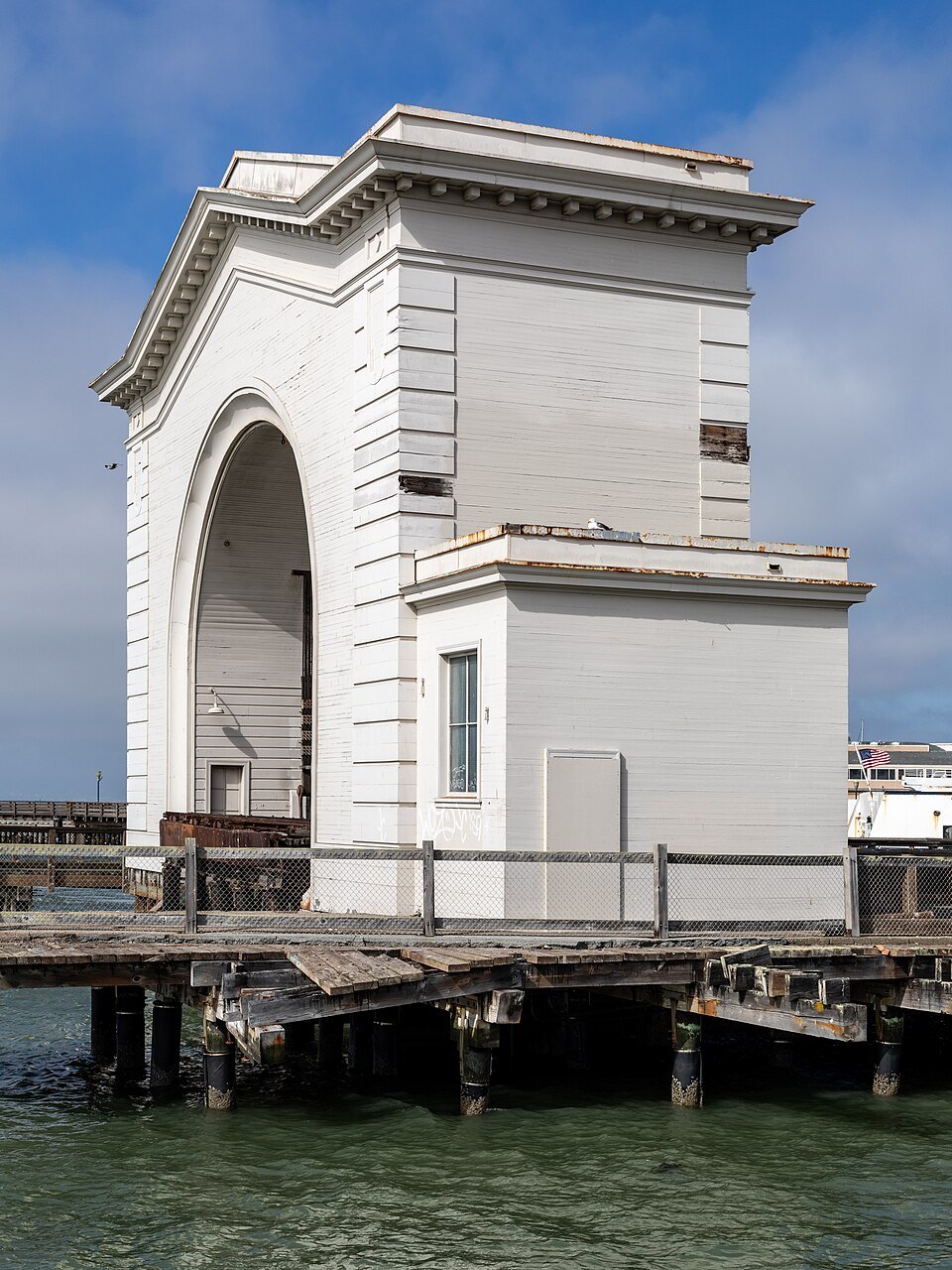
A handful of places are different. One of them, Alcatraz, is reachable only by a single contracted ferry company, and it is the booking to make before anything else. The rest are matters of convenience: buying cable car fares before you queue, reserving a slot at a major exhibition, and setting up a transit card before your first ride.
Alcatraz
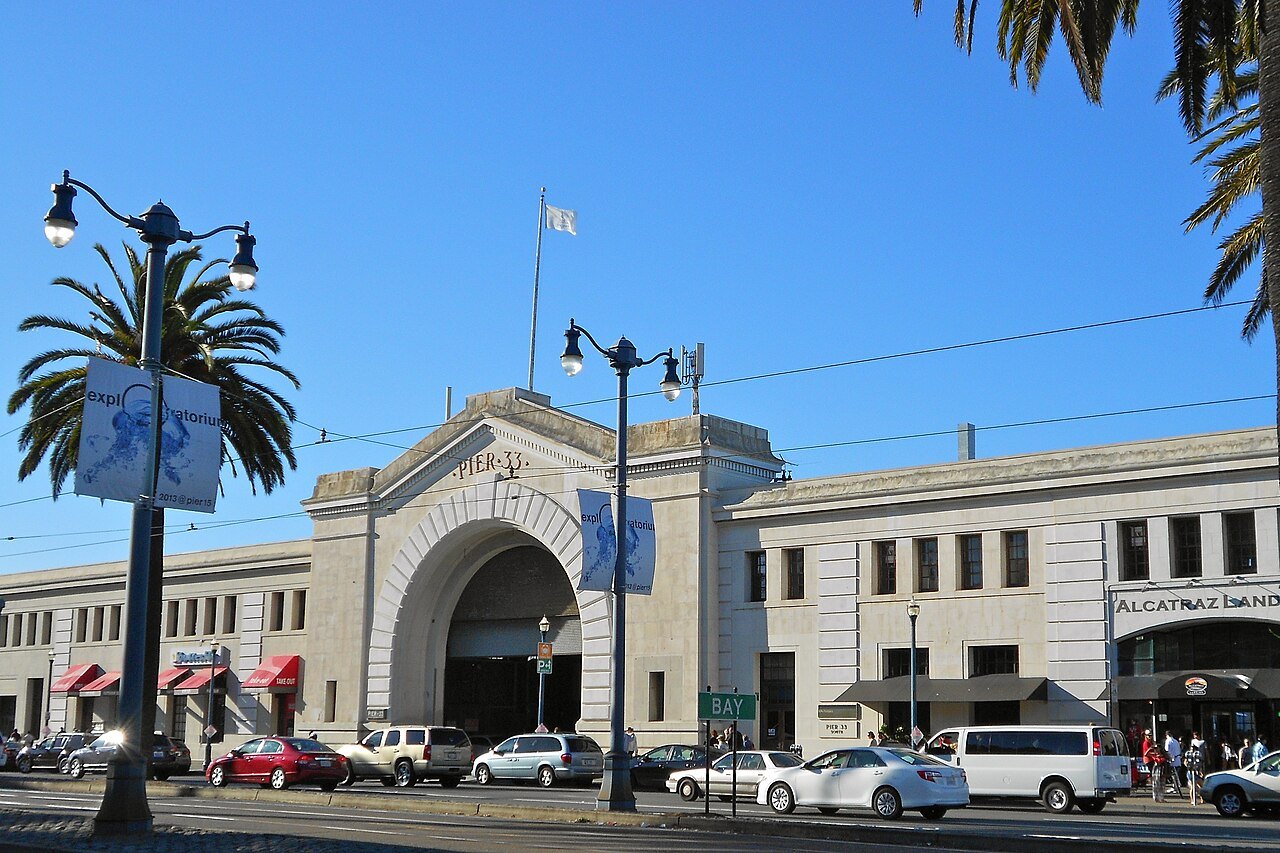
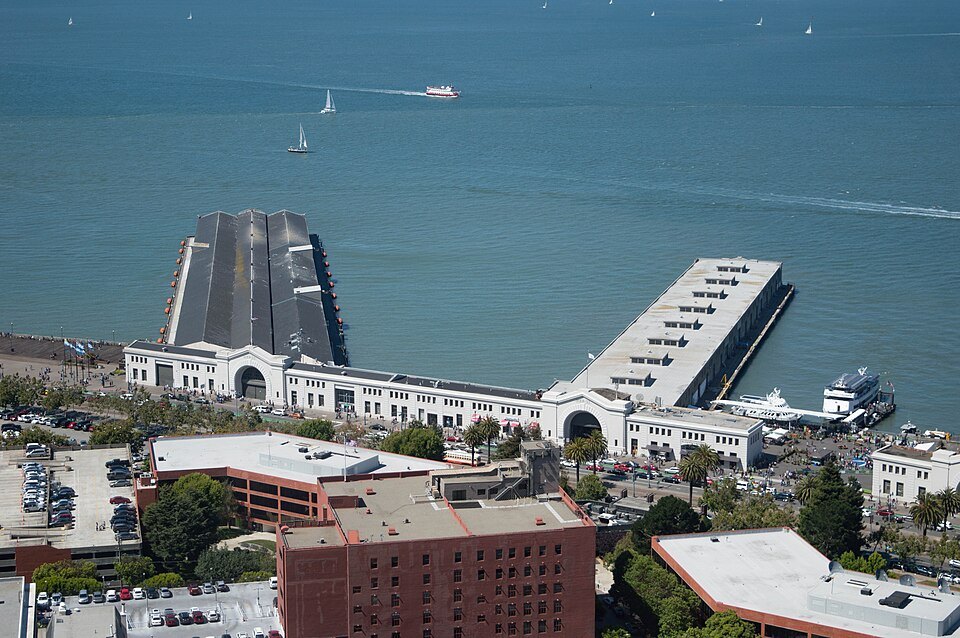
The National Park Service puts it plainly: all access to Alcatraz is through a private ferry company under contract with the park, and it leaves from Alcatraz Landing at Pier 33 on the Embarcadero, between the Ferry Building and Fisherman's Wharf. Buy directly from that company, and be wary of anyone else selling Alcatraz tickets; harbor cruises that circle the island without landing are a different product. Plan on spending at least a few hours on the island, as the park suggests; the exhibits, the cellhouse audio tour and the ranger programs fill them easily.
There is no food on the island beyond dry snacks at the bookstore, so eat before you go. The park advises a light jacket whatever the forecast, walking shoes with grip, and rain gear in the wet winter months. It strongly recommends transit to Pier 33, since street parking near the Wharf is scarce and metered: the F-line streetcars run right past the landing. See Alcatraz for the island itself.
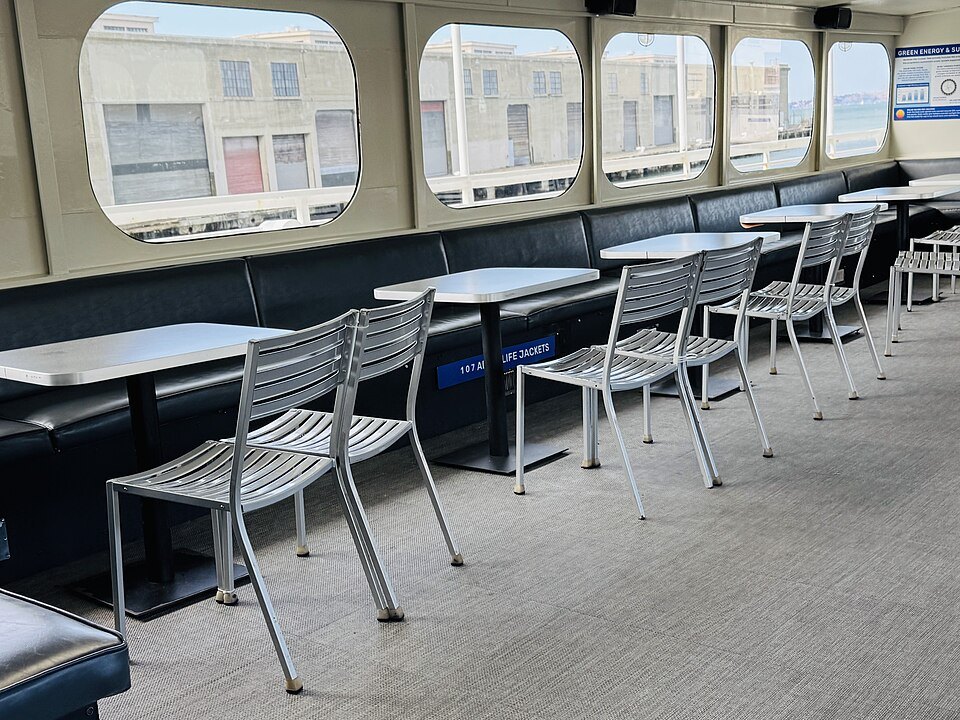
Alcatraz Landing at Pier 33 is fully accessible, and the park keeps a few accessible parking spaces there, first come, first served, for drivers who show a disabled placard at the entrance. The walk from the island's dock up to the cellhouse is steep; the park publishes its own accessibility information, and it is worth reading before you book.
Cable cars
The cable cars need no reservation, but they do need a fare before you ride at the busiest stops. At the turntables at Powell and Market, Bay and Taylor, and Hyde and Beach, the city's transit agency asks riders to buy their fare in advance during the daytime. The official way to do so is the MuniMobile app, which takes cards and phone payments; a Clipper card or a Muni visitor Passport also works.
The queue at the Powell and Market turntable can be long. Boarding at a stop along the route, marked by a brown-and-white cable car sign, or riding the California Street line, which is usually quieter, saves time. Bicycles are not allowed aboard, and the cars are not equipped with accessible boarding; see the cable cars and getting around.
Museums
San Francisco's major museums set their own ticketing, and their rules and exhibitions change, so check each one before you go. At SFMOMA, the large ground-floor gallery facing Howard Street is free to enter, while the collection upstairs and the special exhibitions are ticketed, and popular shows are the thing most worth reserving. In Golden Gate Park, the de Young museum's observation tower is free, reached by an elevator beside the admissions desk, while the galleries, the California Academy of Sciences and the Japanese Tea Garden charge admission.
The Legion of Honor at Lands End, the Asian Art Museum at the Civic Center and the Walt Disney Family Museum in the Presidio all sell their own tickets. For a crowded weekend or a major show, a ticket bought ahead saves a queue.
Transit cards
Setting up transit before you arrive is the most useful small job on the list. Most public transit in the Bay Area, Muni, BART, the cable cars and the ferries included, can be paid with a Clipper card, a reloadable card that also lives on a phone. The MuniMobile app sells Muni and cable car tickets, and Muni's visitor Passports are good on every regular line, cable cars included, for one, three or seven days. BART also accepts contactless bank cards and phone payments at the gates. See getting here for the airport trains.
Tables and tours
Restaurants are the other place where booking pays. The best-known dining rooms fill ahead, particularly on weekends; the dim sum halls, taquerias, cafés and markets that feed most visitors, and the stalls of the Ferry Building, need no booking at all. See eating and drinking.
Guided walks of Chinatown, the Haight and the murals of the Mission are offered by several operators, and the city sets its own arrangements for tours of City Hall, which are worth checking before you go. Tours to the redwoods and the wine valleys north of the city are worth booking for a set day; see day trips.
What does not need booking
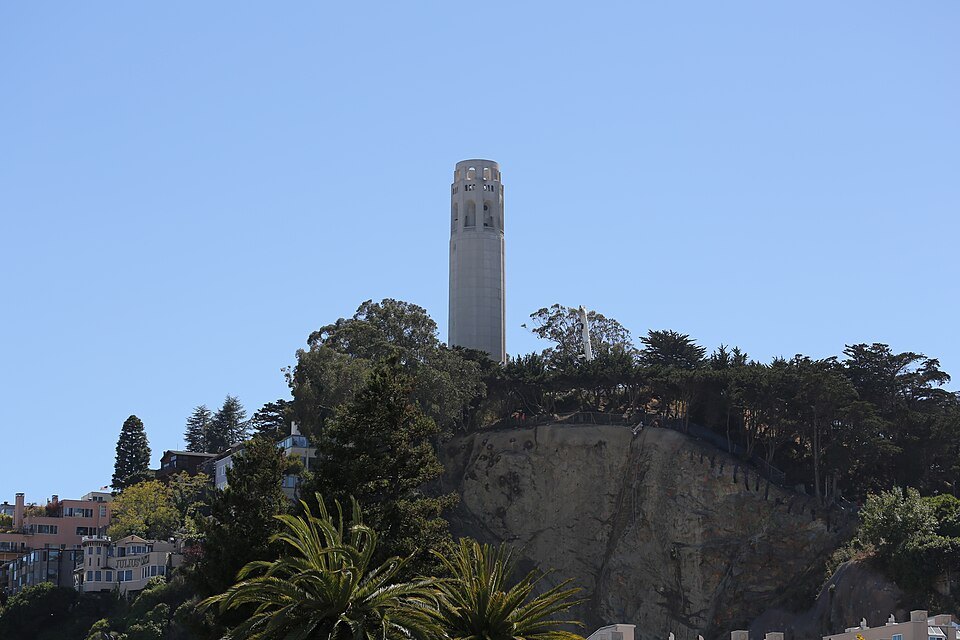
Almost everything else. The Painted Ladies are seen from a public park; Lombard Street is a city street, walked on its stairways; Coit Tower's lobby murals are in a public building on a hilltop park; and Mission Dolores, City Hall's rotunda, the Palace of Fine Arts and the Ferry Building marketplace are all walk-in places that set their own visiting arrangements. The Presidio, Golden Gate Park, Lands End and the summit of Twin Peaks are public parkland, free to wander. Chinatown and North Beach are neighborhoods, not attractions, and the best way to see them is simply to arrive hungry and walk. If a site sets opening arrangements of its own, check them on its own website on the day.
A simple plan
If you book only one thing, make it Alcatraz, for the earliest day your plans allow, so that the day you want is still open. Then set up a Clipper card or the MuniMobile app, and pick the one museum exhibition you would be sorry to miss. Leave the rest of the city open: build your days from the itineraries and the weather, and save the clearest afternoon for the views.
Some links on this page are affiliate links. If you book through one we may earn a commission, at no extra cost to you. It does not affect what is recommended here, and no sight page on this site carries one.
Two things worth sorting out before the day:
More photographs
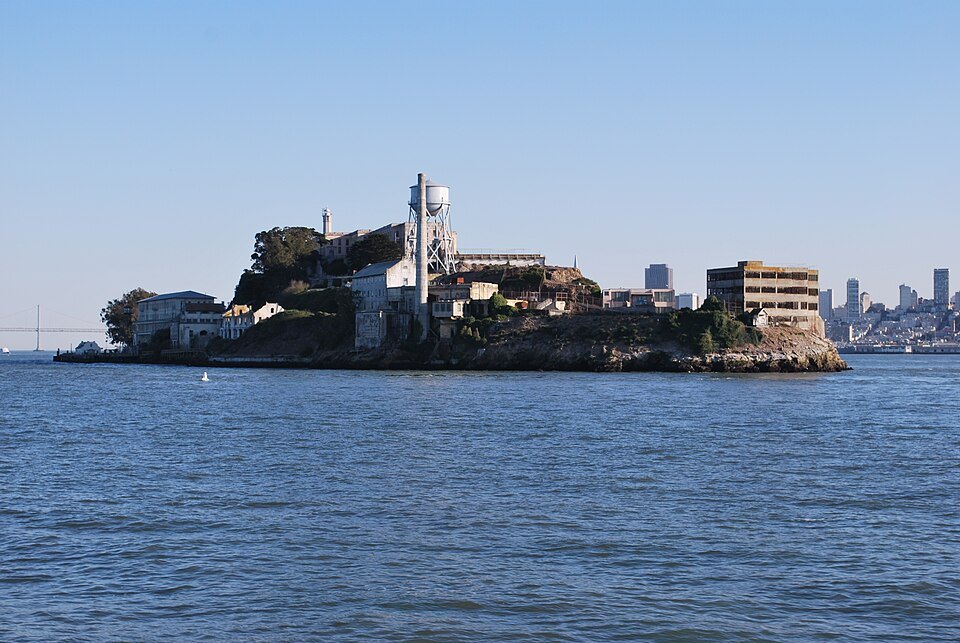
Alcatraz from the deck of a ferry, the skyline to the rightAndrew Napier, Wikimedia Commons, CC BY 2.0