Home · Sights · Fisherman's Wharf and the Hyde Street Pier
Fisherman's Wharf and the Hyde Street Pier
Level
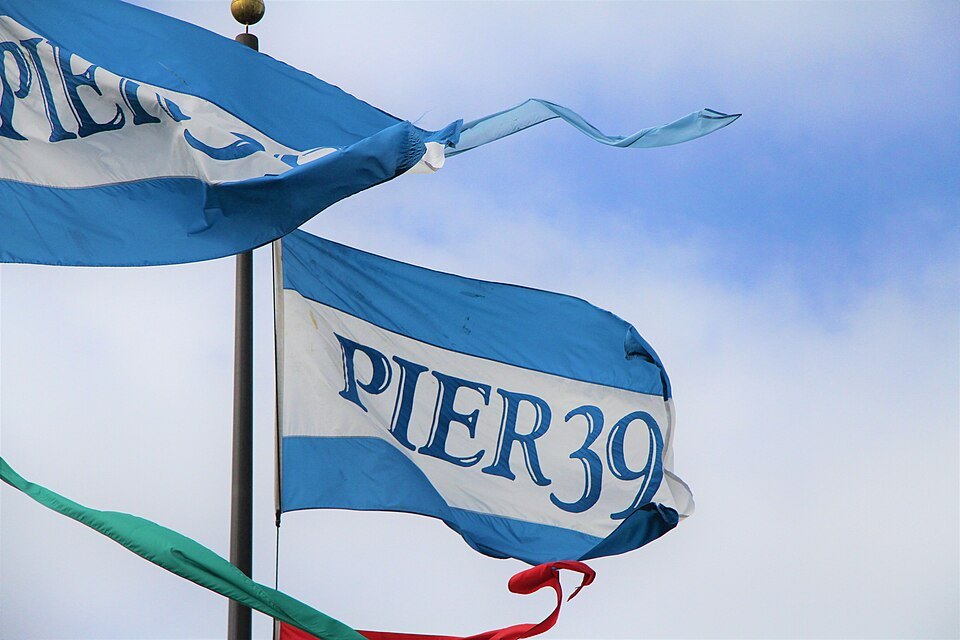
- 1Pier 39A pier of shops and restaurants opened in 1978, with California sea lions hauled out on its marina docks.
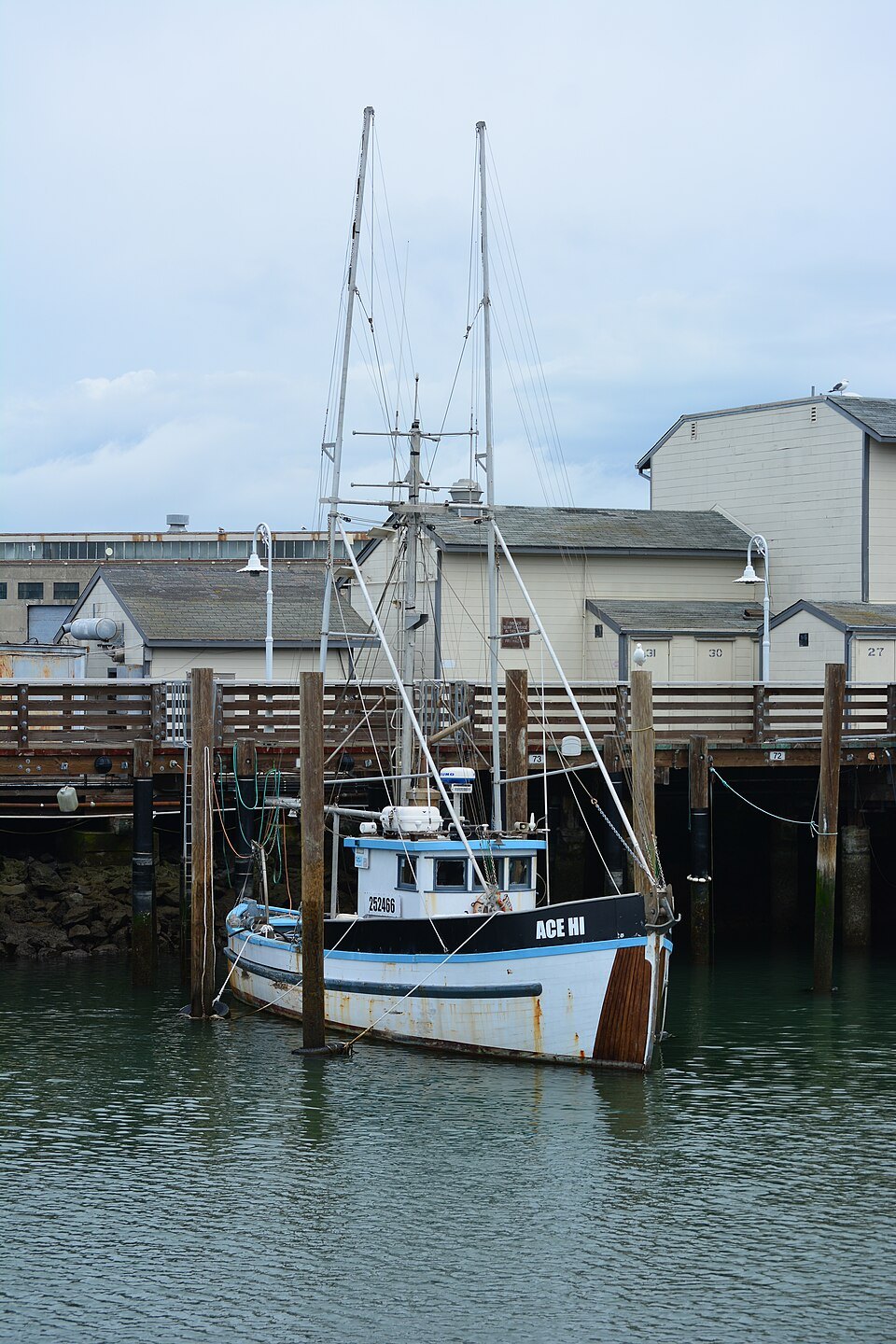
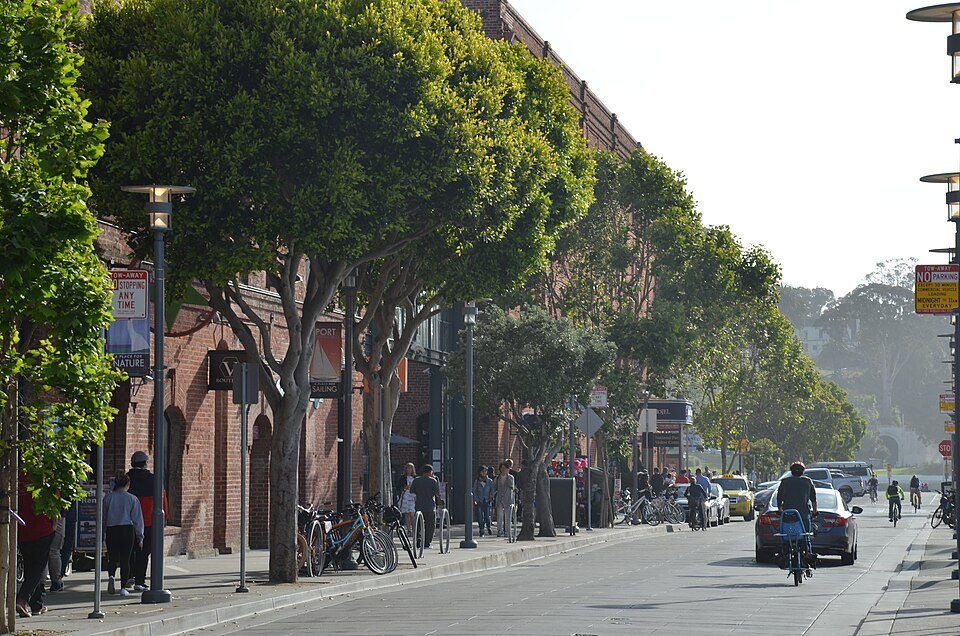
- 2The fishing harborAlong Jefferson Street, the working boats, seafood stands and family restaurants of the old wharf.
- 3The Musée MécaniqueA hall of old coin-operated mechanical games and fortune tellers, on the waterfront.
- 4The Hyde Street PierThe National Park Service's fleet of historic ships, moored at the western end of the Wharf.
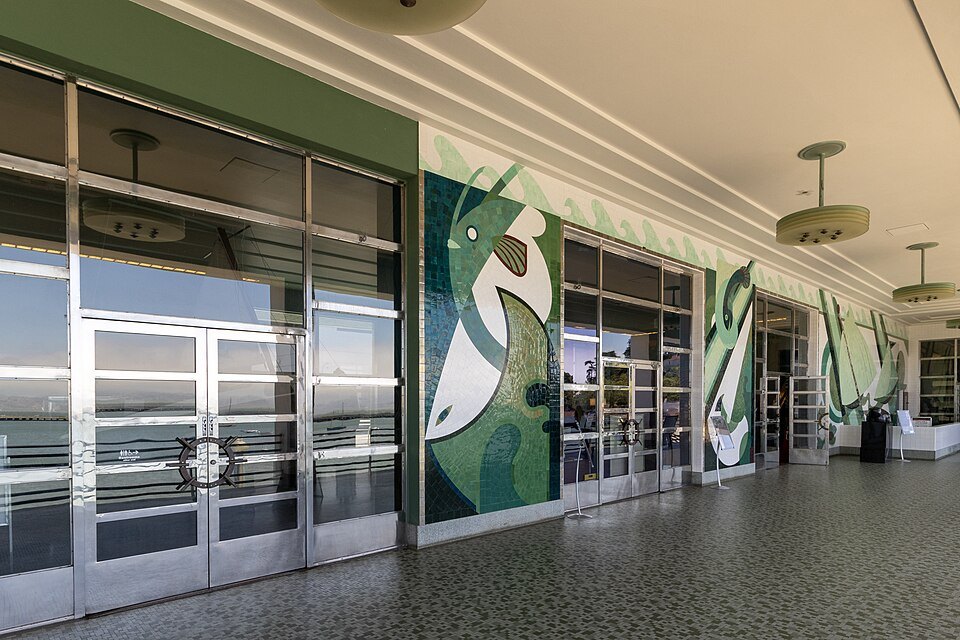
- 5The Maritime MuseumA Streamline Moderne building of 1939 shaped like an ocean liner, at Aquatic Park.
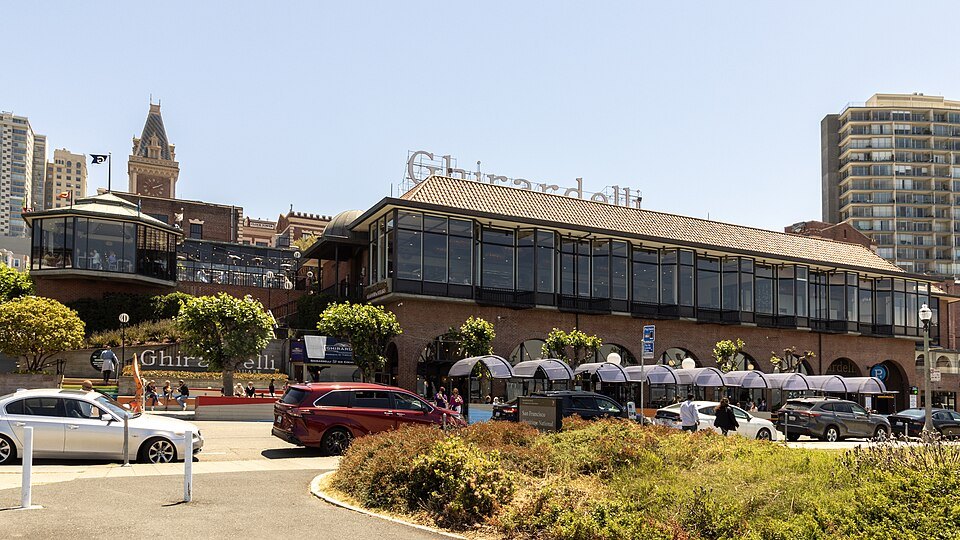
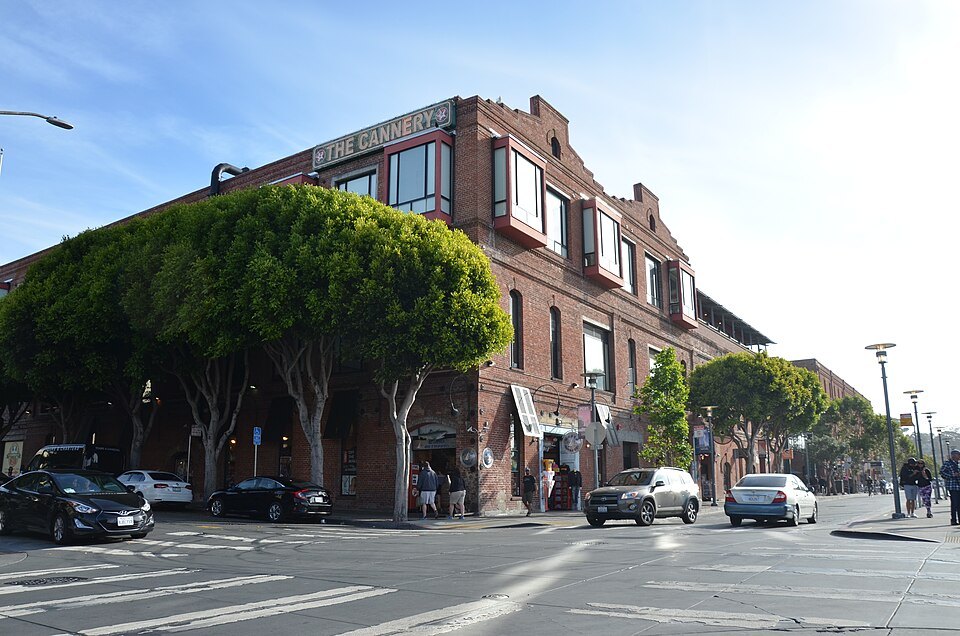
- 6Ghirardelli SquareA former chocolate factory's brick buildings, turned into shops and restaurants in 1964.
Reading the place
Why it matters
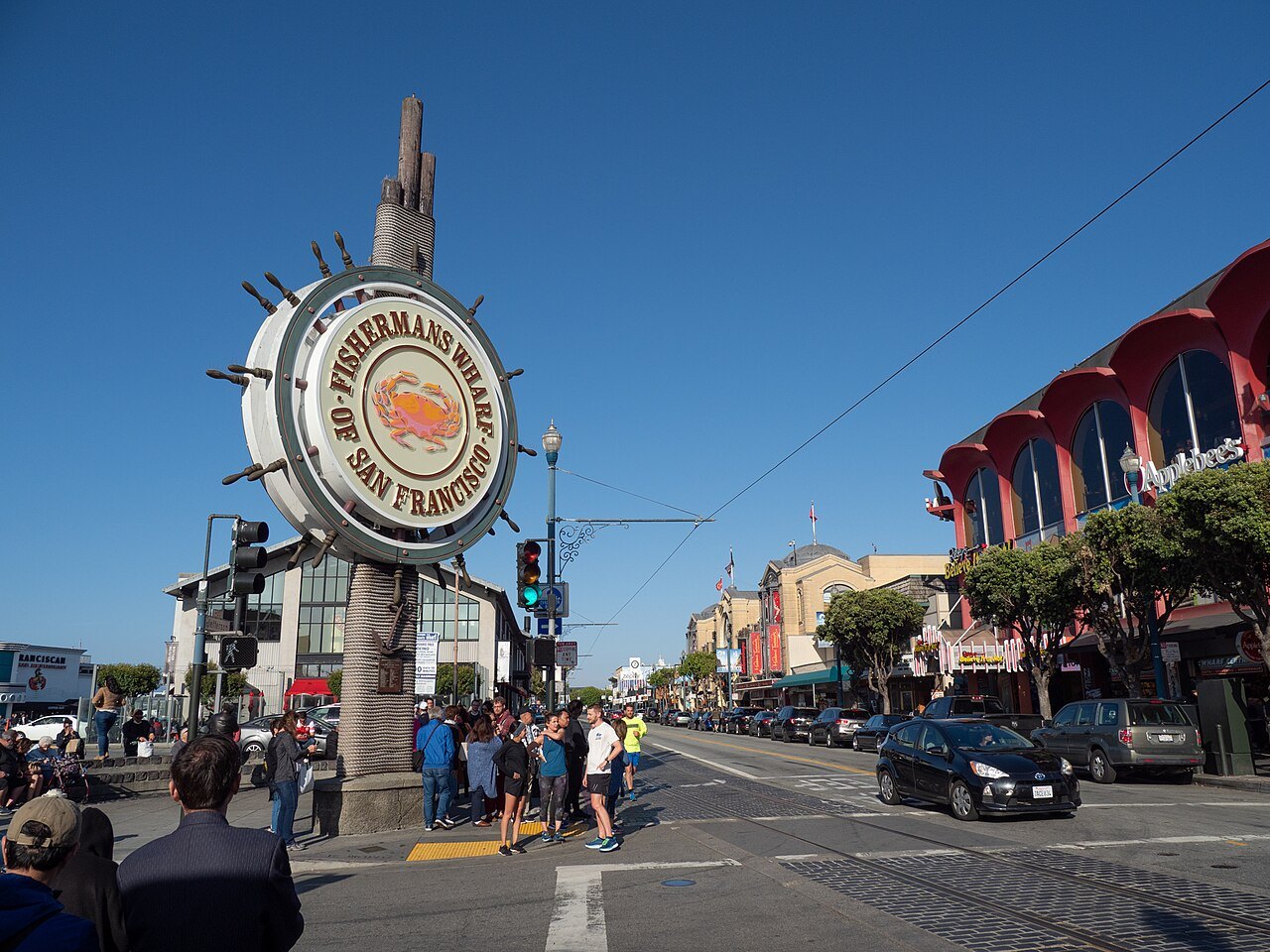
Fisherman's Wharf is the stretch of the northern waterfront between the Embarcadero and Aquatic Park, and it is one of the busiest tourist areas in the western United States. At its heart it was, and partly still is, a working fishing port: in 1900 the state set aside the shore between Taylor and Leavenworth streets for commercial fishing boats, and some of the family restaurants along Jefferson Street have been run by three generations of the same family.
From the 1970s the area was redeveloped for visitors, and today it is also shops, arcades, chain restaurants and the rest of what makes a waterfront busy. Many San Franciscans dismiss it for that reason, and in 2010 the city drew up plans to improve it. But it also holds some of the most rewarding things on the waterfront: the sea lions, the historic ships at the Hyde Street Pier, the old machines of the Musée Mécanique and the Maritime Museum. Seen for those, rather than for its shops, the Wharf is worth a morning.
Pier 39 and the sea lions
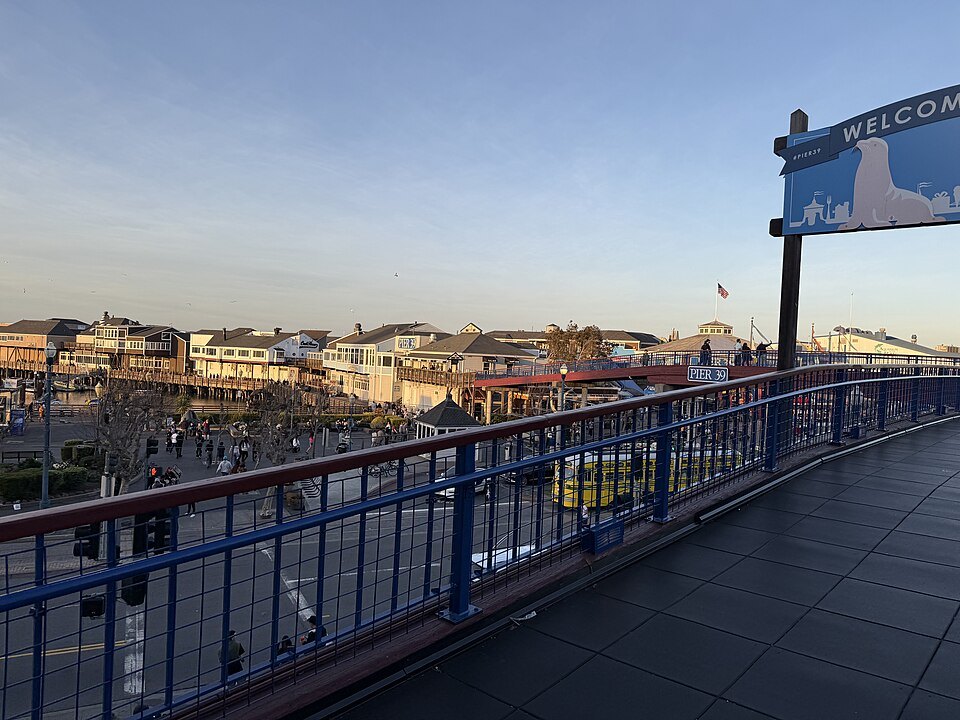
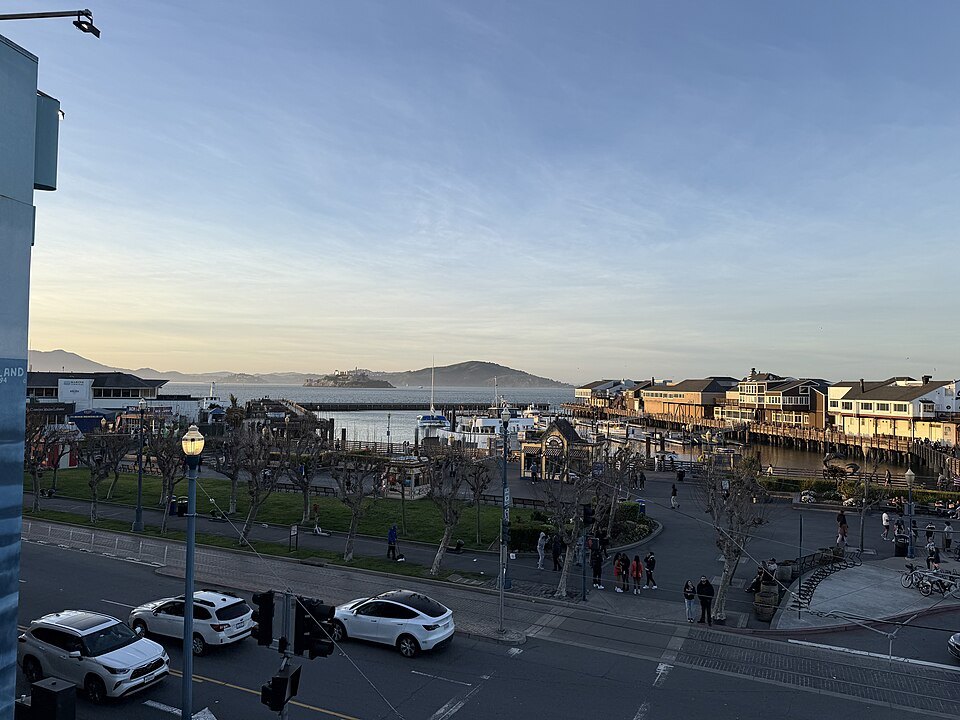
At the eastern end, Pier 39 opened on October 4, 1978, as a pier of shops, restaurants, a two-story carousel and an aquarium. What most people come to see, though, arrived by chance. In September 1989, after the Loma Prieta earthquake, California sea lions began hauling out on the pier's floating wooden docks, which had been built for boats, and they have used them since. The number on the docks rises and falls with the seasons. From the pier you also get wide views across the bay to Alcatraz, the Golden Gate Bridge and the Bay Bridge, and several of the bay cruises leave from here.
The working wharf
West of Pier 39, along Jefferson Street and around the small harbor, is the older wharf: fishing boats moored in the basin, seafood stands on the sidewalk, and restaurants such as Alioto's and Fishermen's Grotto that go back generations. At Pier 45 a small chapel remembers the fishermen of San Francisco and Northern California lost at sea, and beside it the USS Pampanito, a decommissioned submarine of the Second World War, is moored as a museum ship. It is the place for the local crab and chowder in season; see eating and drinking.
Nearby is the Musée Mécanique, a long room full of antique coin-operated machines, mechanical music boxes, fortune tellers and games, many of them still working, and one of the most enjoyable stops on the waterfront.
The Hyde Street Pier and the historic ships
At the western end of the Wharf, the San Francisco Maritime National Historical Park keeps a fleet of historic vessels at the Hyde Street Pier. Among them are the Balclutha, a square-rigged sailing ship of 1886; the C.A. Thayer, a schooner of 1895; the Eureka, a steam ferryboat of 1890; the Alma, a scow schooner of 1891; and the steam tug Hercules of 1907. Walking the pier gives a feel for the working harbor of a century ago better than anything else in the city.
The park's visitor center is in a brick warehouse of 1909 at the corner of Hyde and Jefferson streets, with a large Fresnel lighthouse lens among its exhibits. The park also keeps a research library that has grown, from a closet under a staircase in 1951, into one of the largest collections on ships and the sea on the Pacific Coast. Between the visitor center and the Maritime Museum, the lawns and small beach of Aquatic Park make the quietest corner of the whole waterfront.
Aquatic Park and Ghirardelli Square
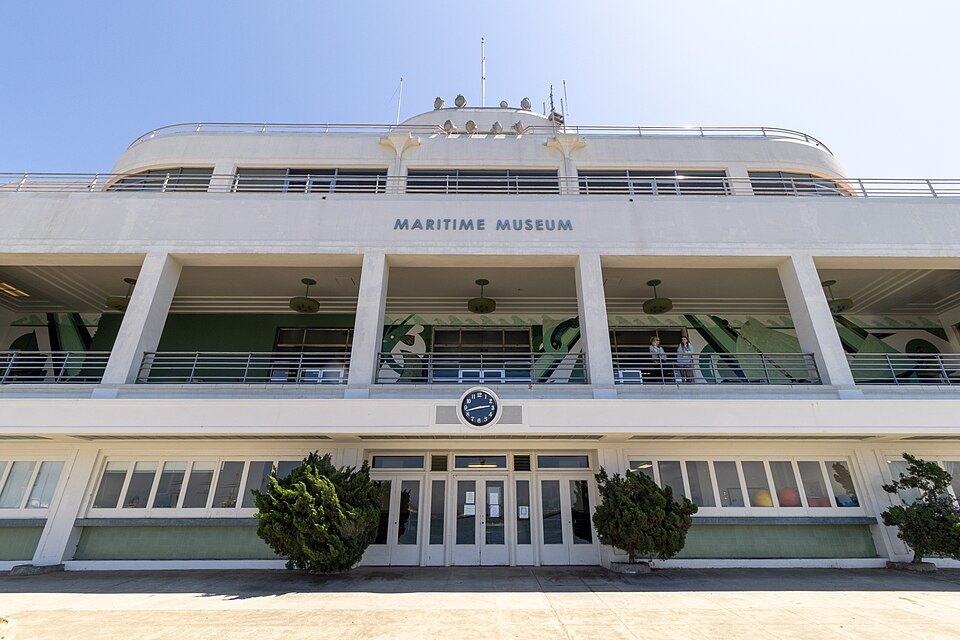
Beyond the pier, the Maritime Museum stands on the curve of Aquatic Park: a white Streamline Moderne building shaped like an ocean liner, built in 1939 by the WPA as a public bathhouse, with decorated interiors of the period.
Just uphill is Ghirardelli Square, a block of brick buildings that Domenico Ghirardelli bought in 1893 for the headquarters of his chocolate company. When the company moved out in the early 1960s, William Roth and his mother Lurline Matson Roth bought the land to save it from apartment blocks, and in 1964 it reopened as shops and restaurants, one of the first major adaptive re-use projects in the United States.
How to visit
The Powell–Hyde cable car ends at Hyde and Beach, by Aquatic Park and Ghirardelli Square, and the Powell–Mason line ends a few blocks from Pier 39; the F-line streetcar runs along the Embarcadero to the Wharf. The whole waterfront from Pier 39 to Aquatic Park is flat and walkable in a relaxed hour, or half a day with the ships and the museum. It is busiest in the middle of the day and at weekends, quietest early in the morning, when the fishing harbor is at its most itself.
Pier 33, where the ferries to Alcatraz leave, is a short walk east along the Embarcadero. Up the hill behind the Wharf, the crooked block of Lombard Street is a steep climb or a cable car ride away.
Myths and facts
The sea lions are not a planned attraction: they chose the docks themselves in 1989, and the marina has left them there since. The Wharf is not all souvenir shops either; the historic ships, the Musée Mécanique and the Maritime Museum are among the most rewarding sights on the whole waterfront. And the Wharf's chocolate is not a newcomer: Ghirardelli made chocolate on this block from the 1890s until the company moved out in the 1960s.
Nearby
- NearbyAlcatrazA rock about a mile and a quarter offshore that was a fort, then a military prison, then from 1934 to 1963 the federal penitentiary everyone has heard of, and then the site of a nineteen-month Native American occupation.Read the page
- NearbyThe Cable CarsThree surviving lines out of twenty-three, still pulled up Nob Hill and Russian Hill by a cable under the street and saved from closure in 1947 by a citizens' committee.Read the page
- NearbyLombard Street and Russian HillA single block of brick-paved switchbacks on Russian Hill, built in 1922 to tame a 27 percent grade, set in one of the city's oldest and most elegant hilltop neighborhoods.Read the page