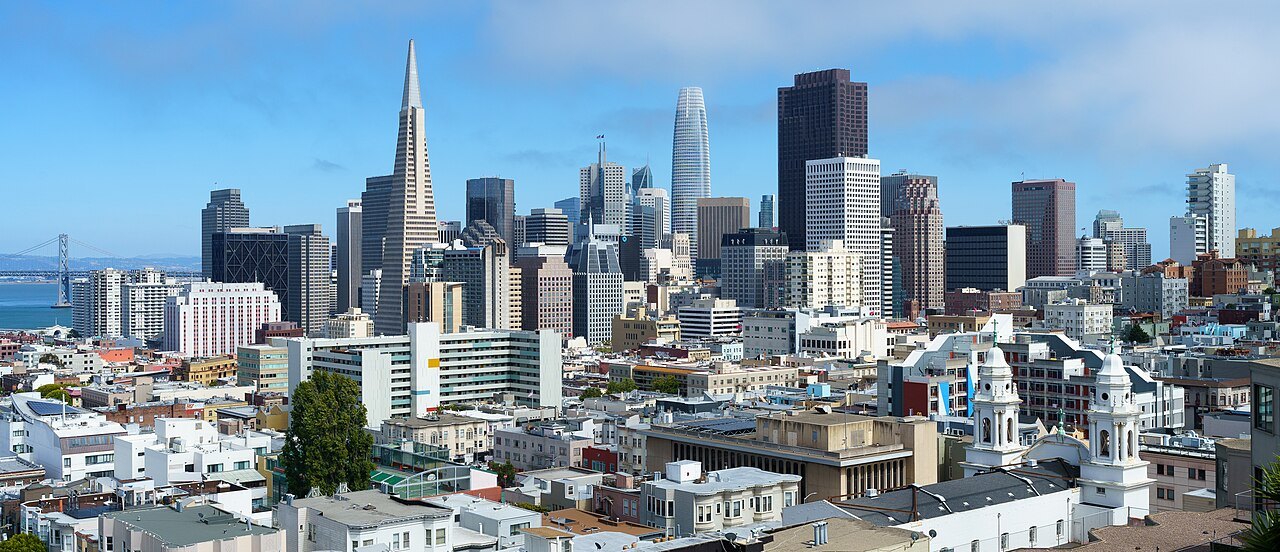
Home · The Sights
The sights, from the waterline up
The waterline
Piers, a bay island and the strait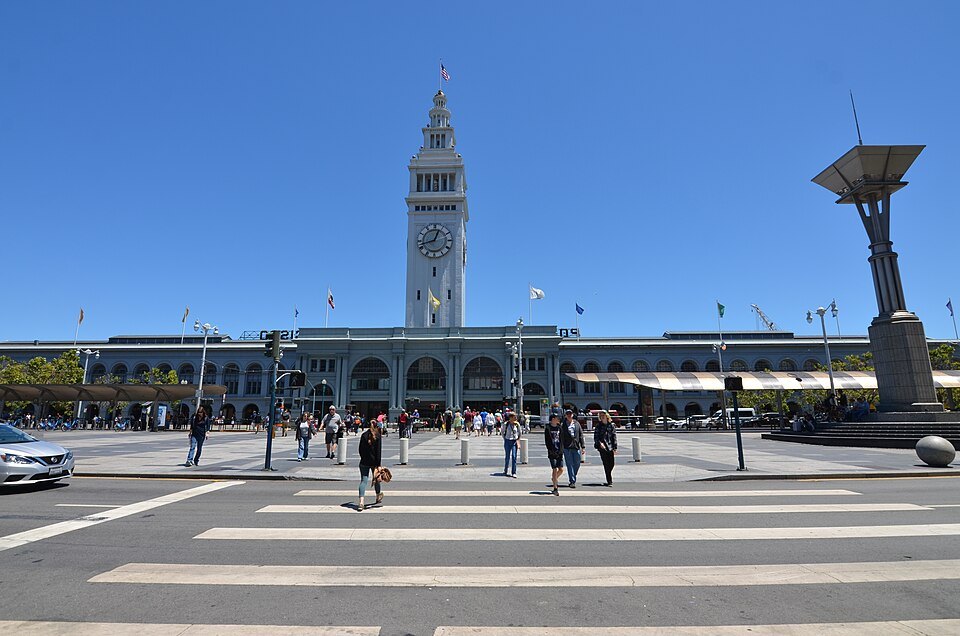 1The Ferry Building and the EmbarcaderoCompleted in 1898, with a 245-foot clock tower at the foot of Market Street.Level
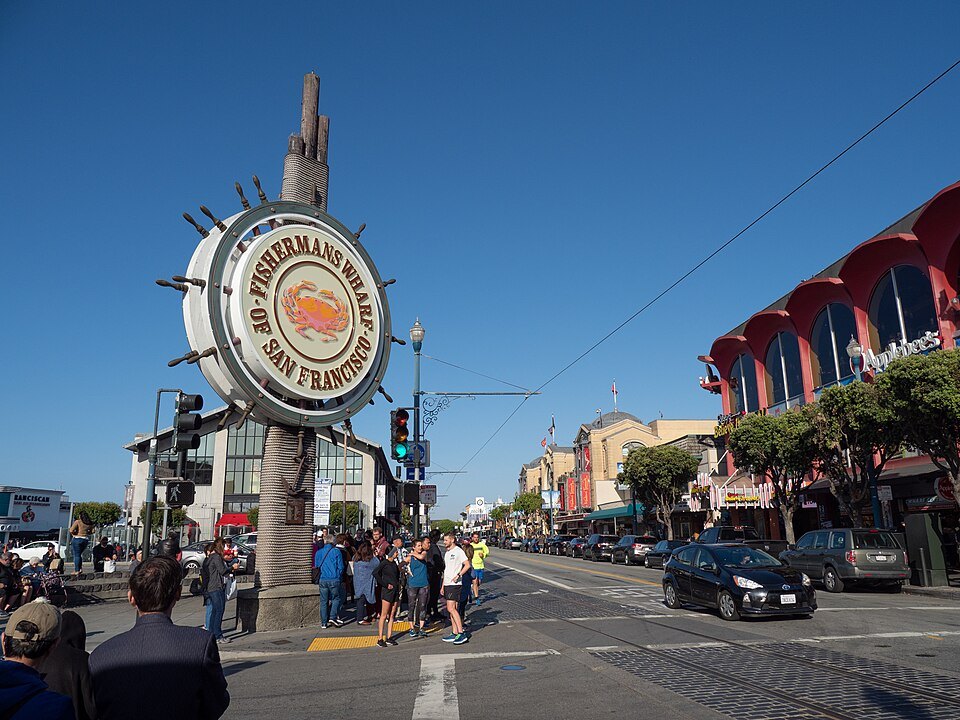 2Fisherman's Wharf and the Hyde Street PierA working fishing port turned waterfront, with historic ships at the Hyde Street Pier.Level
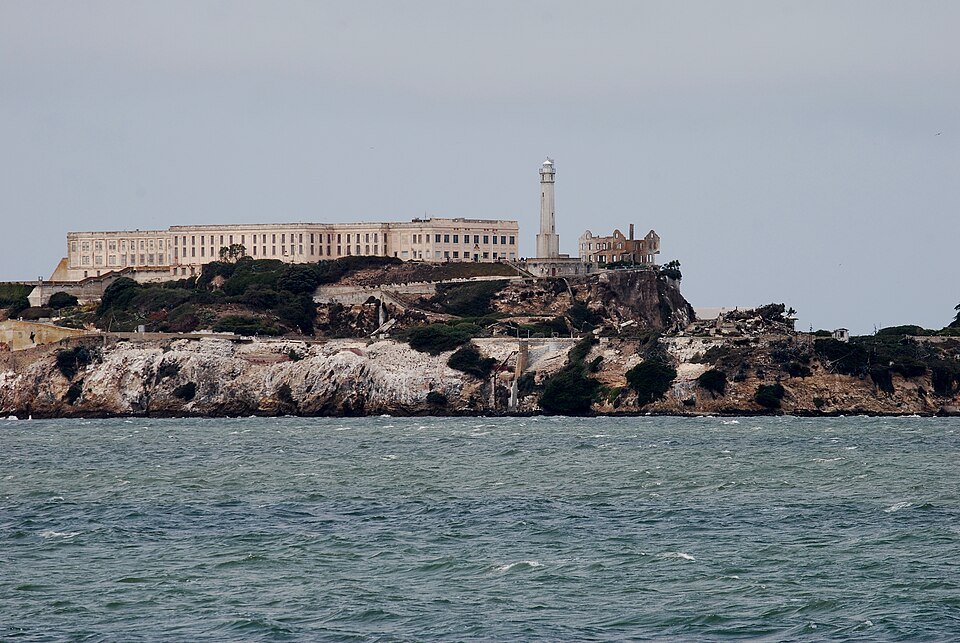 3AlcatrazA federal prison from 1934 to 1963, about a mile and a quarter offshore.Some climbing
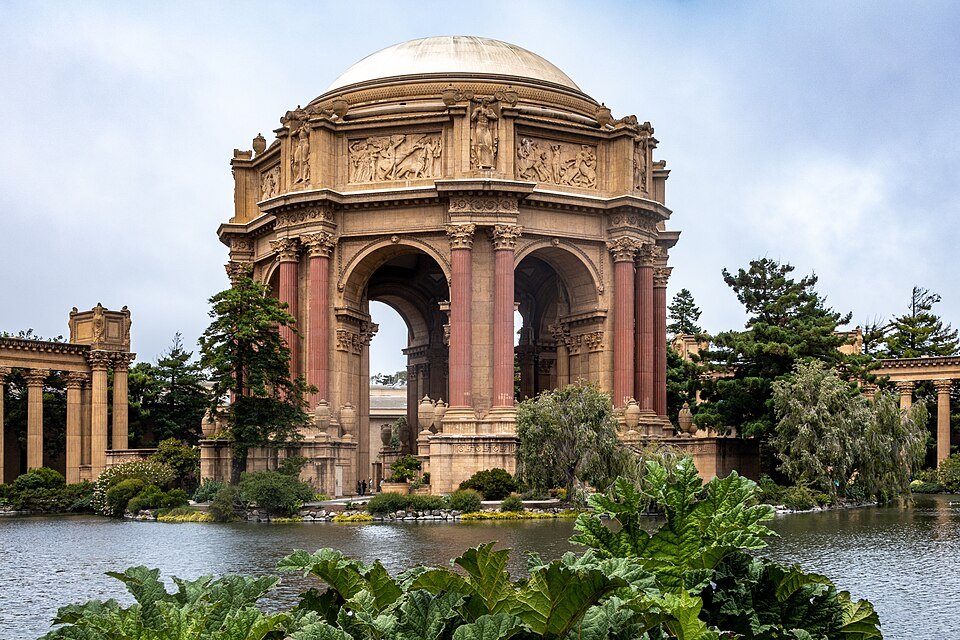 4The Palace of Fine ArtsThe one structure of the 1915 exposition still on its site, rebuilt from 1964 to 1974.Level
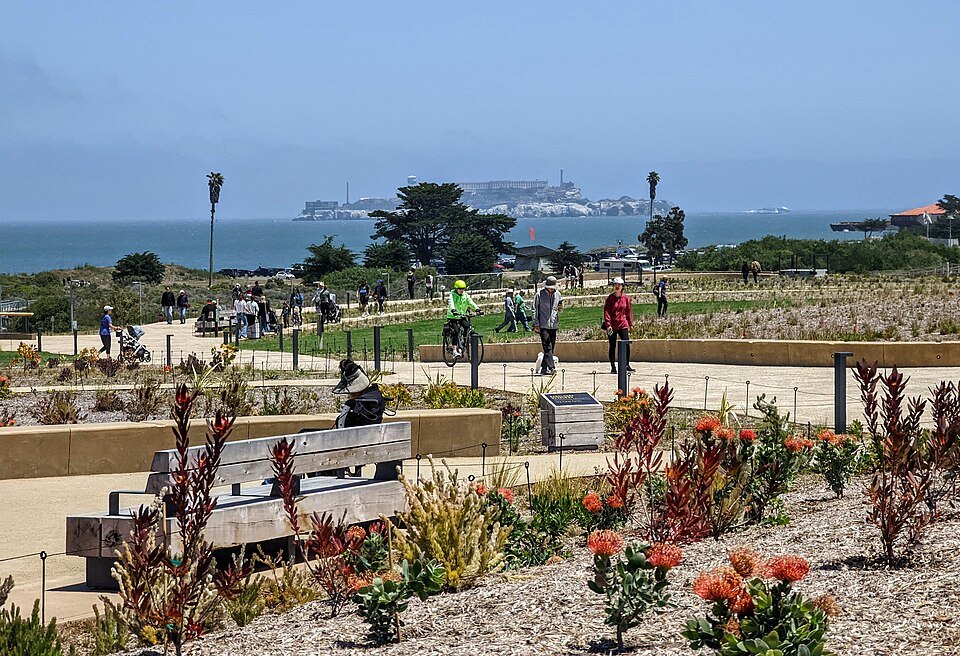 5The Presidio and Crissy FieldA Spanish fort in 1776 and an army post for 219 years, a national park since 1994.Some climbing
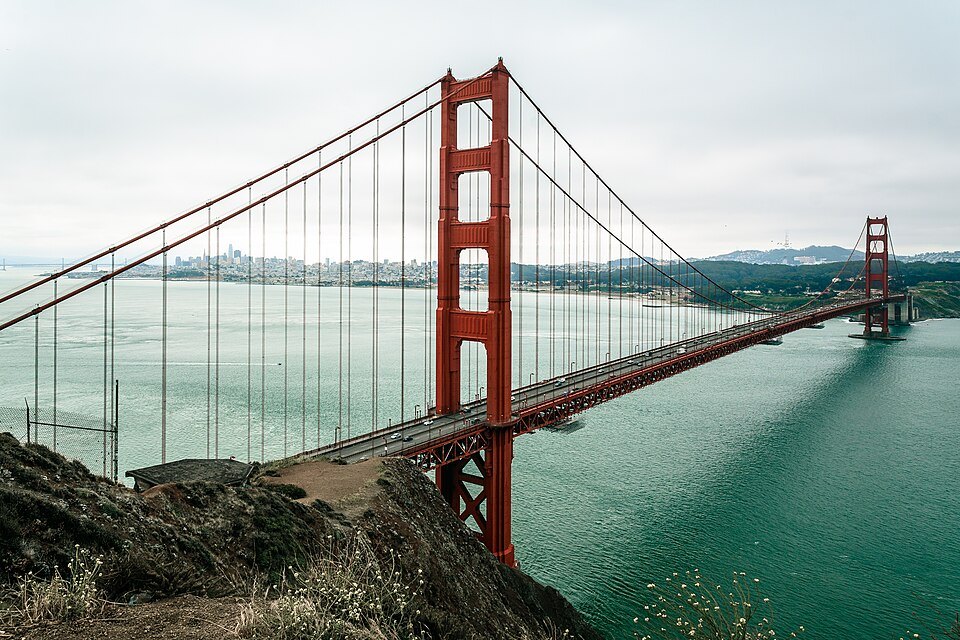 6The Golden Gate Bridge and Fort PointOpened in 1937; its towers stand 746 feet above the water.Level
The ocean edge
Where the city meets the PacificThe flats and the valleys
Downtown, the Civic Center, the Mission and the Haight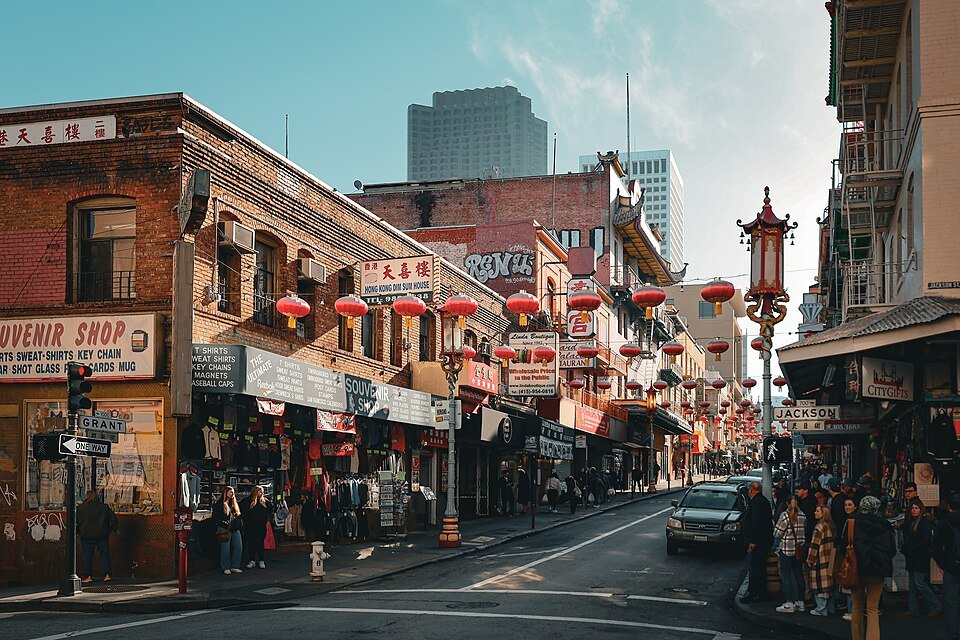 9ChinatownThe oldest Chinatown in North America, centered on Grant Avenue and Stockton Street.Some climbing
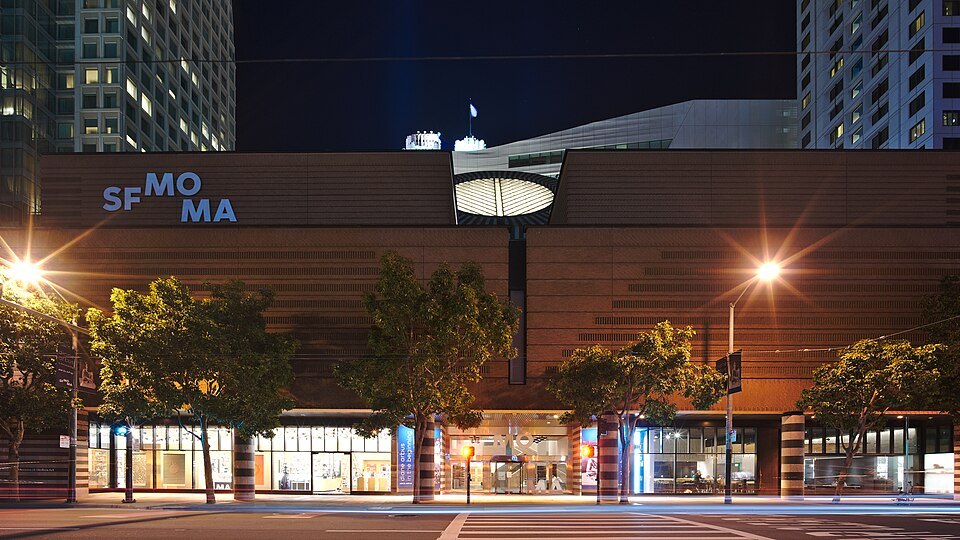 10SFMOMA and Yerba BuenaThe West Coast's first museum of 20th-century art, in SoMa since 1995.Level
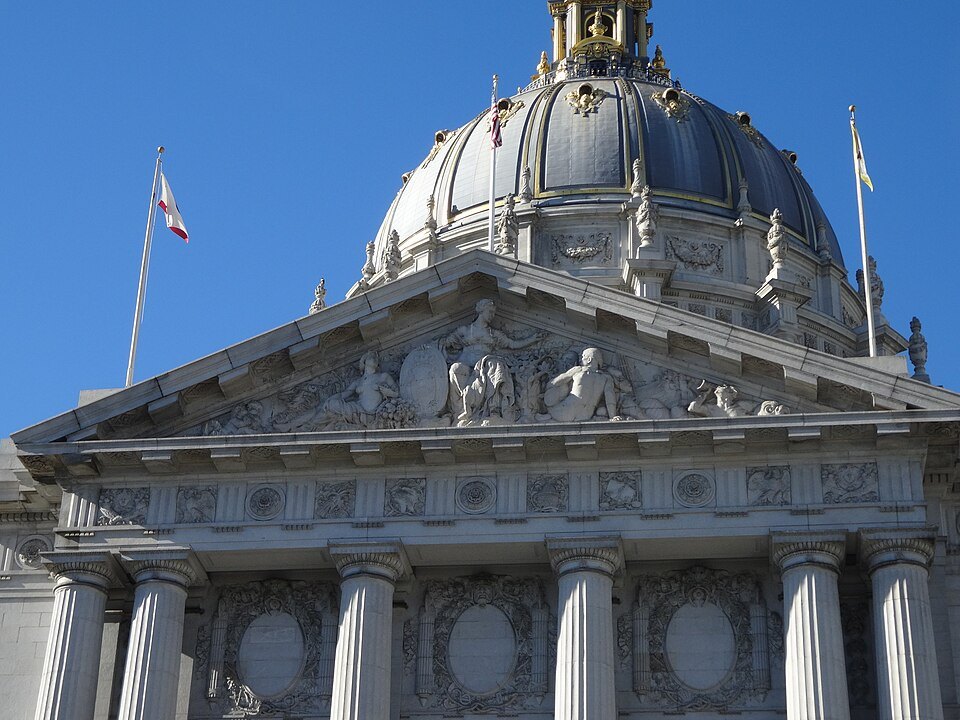 11City Hall and the Civic CenterA Beaux-Arts dome of 1915, taller than the dome of the US Capitol.Level
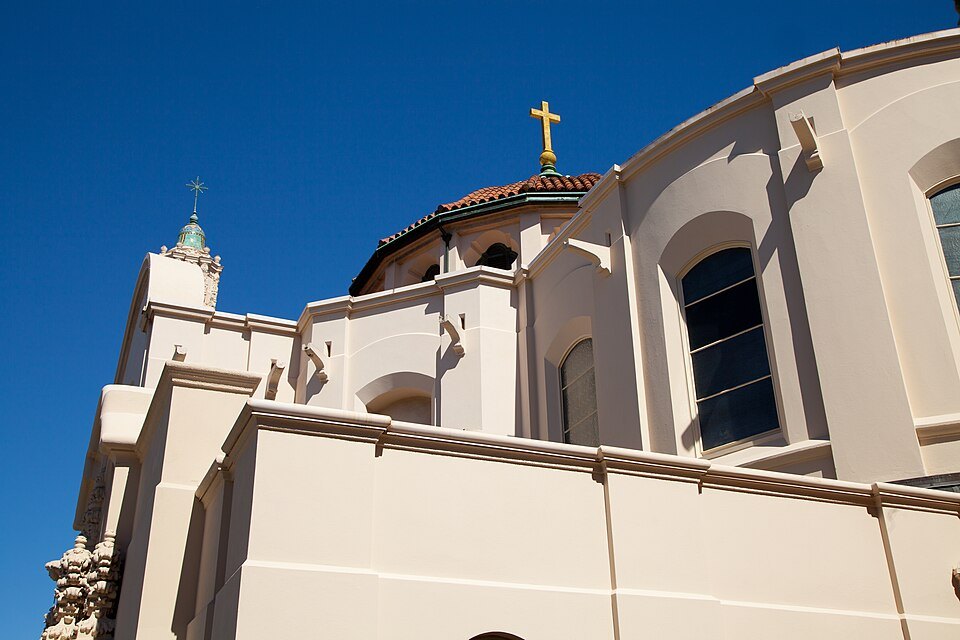 12Mission Dolores and the Mission DistrictThe adobe chapel of 1791, the oldest intact structure in the city.Level
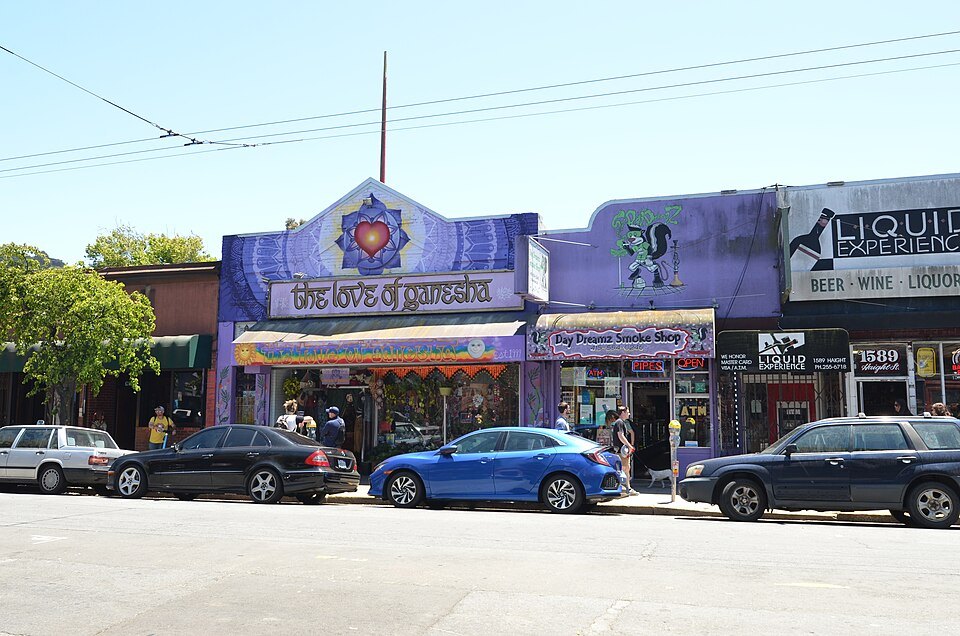 13Haight-AshburyNamed for a street corner, and one of the centers of the 1960s counterculture.Some climbing
The hills
The climbs, and what you see from the top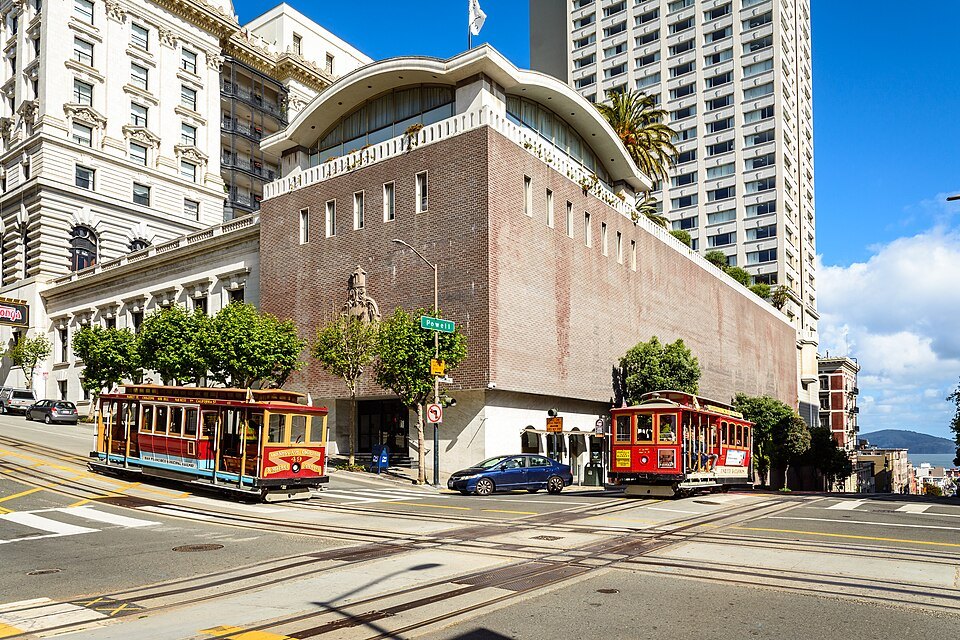 14The Cable CarsThree lines left of the twenty-three built between 1873 and 1890.Some climbing
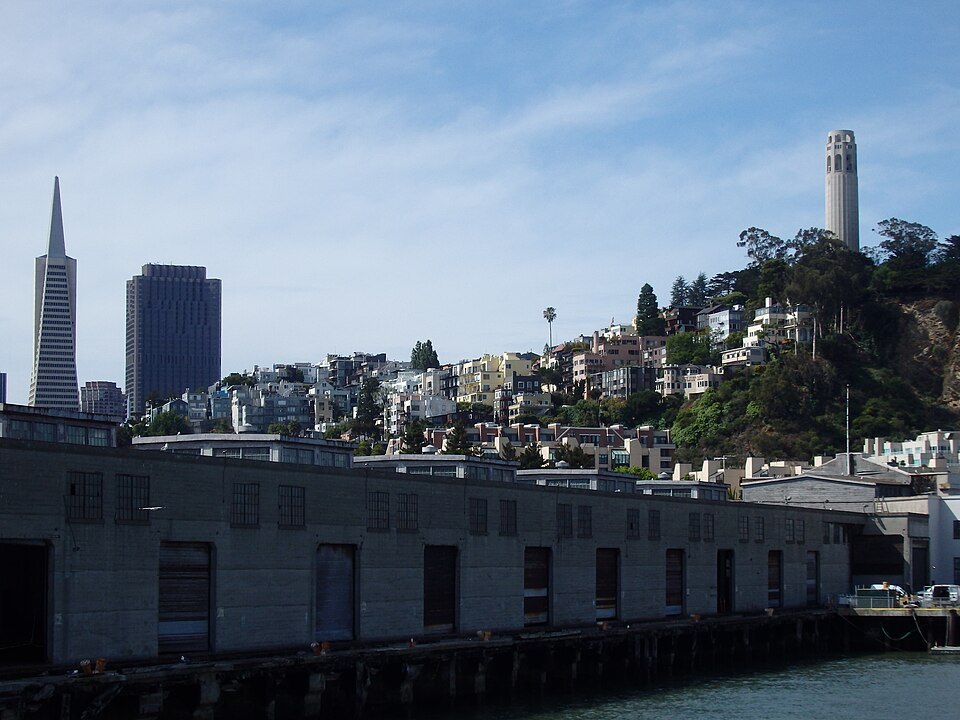 15Coit Tower and Telegraph HillA 210-foot tower of 1933 on Telegraph Hill, its lobby painted with fresco murals.Steep or many steps
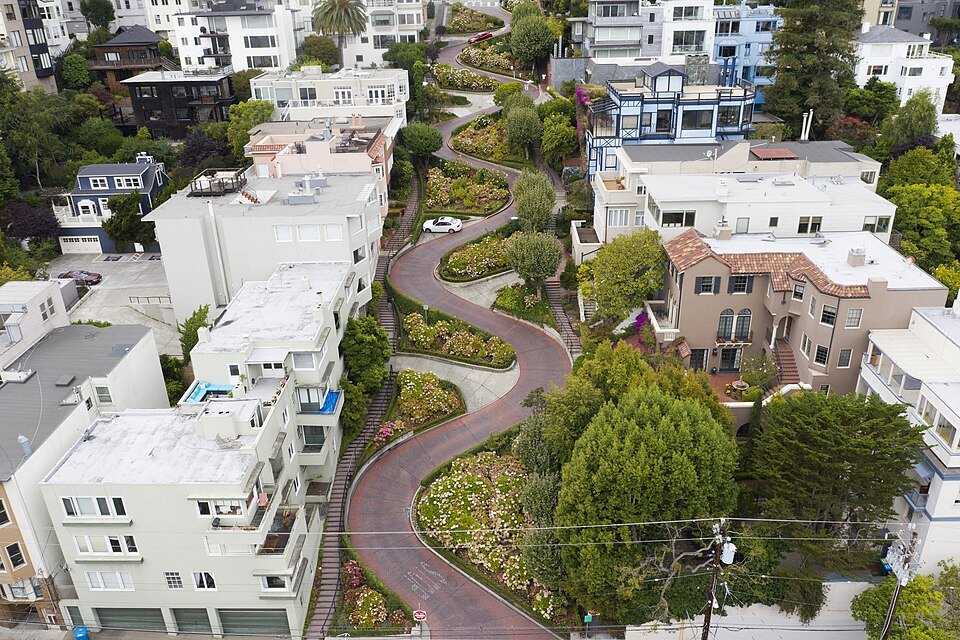 16Lombard Street and Russian HillOne block, eight hairpin turns, built in 1922 to tame a 27 percent grade.Steep or many steps
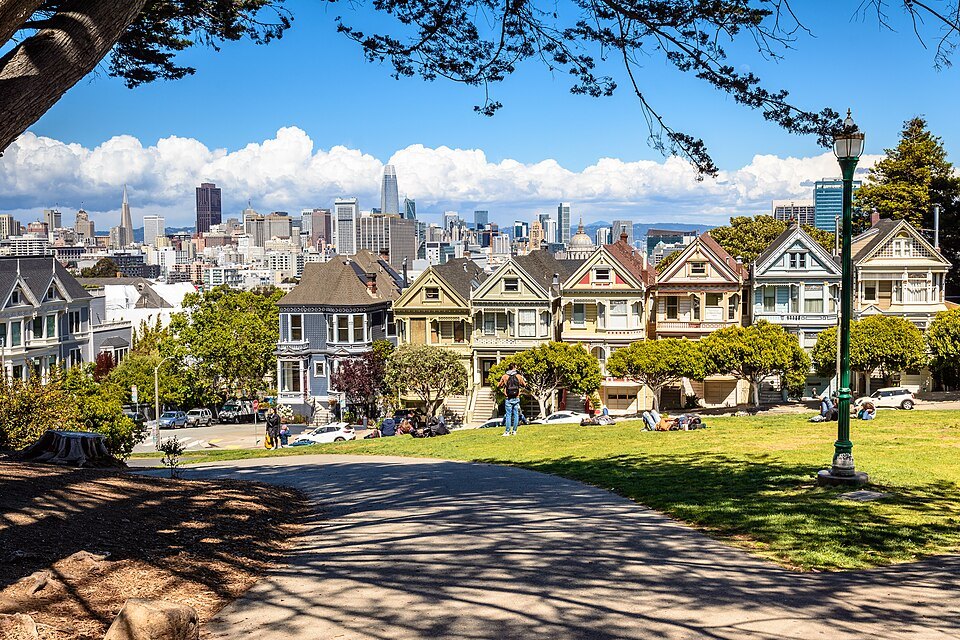 17Alamo Square and the Painted LadiesVictorian houses facing a hilltop park that looks over downtown.Some climbing
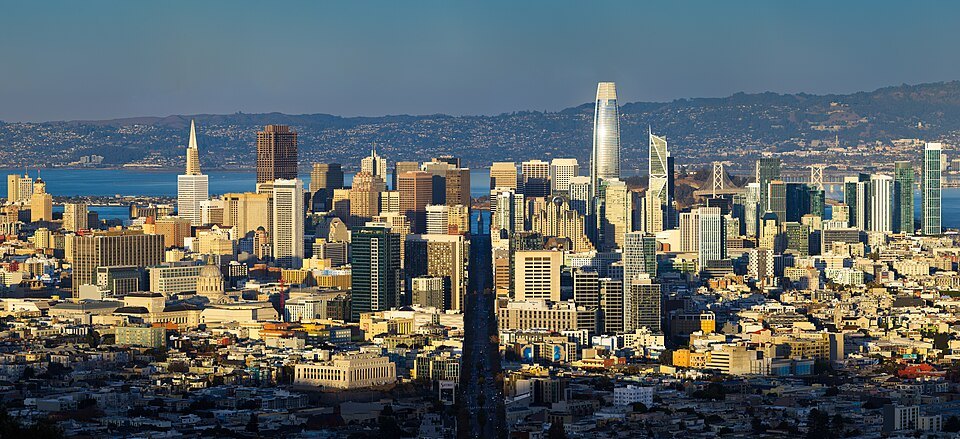 18Twin PeaksTwo summits of about 925 feet near the middle of the city.Steep or many steps
The Sights
How the sights are arranged
San Francisco's sights are easier to understand by height than by district. The city sits on a peninsula of more than fifty hills, and the difference between a sight on the waterfront and one on a summit is not only the view but the effort of getting there. So this guide groups its eighteen sights in four bands, from the waterline up, and marks each one Level, Some climbing, or Steep or many steps; the hills page explains the marks and lists the easier ways up.
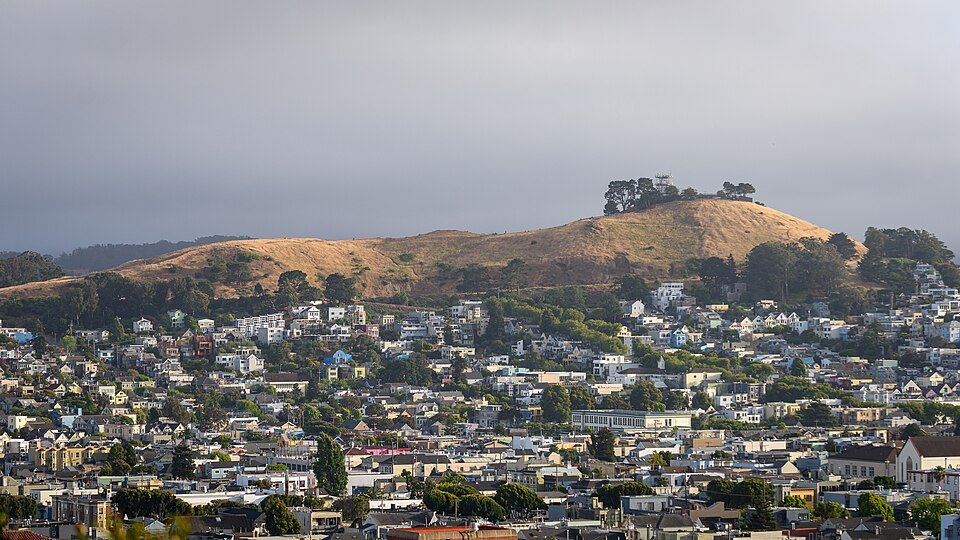
Each sight has its own page, with what it is, its history, what you see, how to visit and the facts that are most often told wrongly. Every page carries photographs of the place itself, each checked by eye and credited to its photographer, and a short list of the sights nearest to it, so that you can join them into a walk.
Where the city ends
This guide draws its line at the city limits, which are also the county's: the peninsula from the Golden Gate south to the county line, with Alcatraz, Treasure Island, built in the bay for the world's fair of 1939, and Yerba Buena Island beside it. Sausalito, Muir Woods, Berkeley, the Napa Valley and Angel Island are all close and all worth a day, but they are outside the city and are covered on the day trips page, not here.
The Golden Gate Bridge is the exception that proves the rule: its southern end is in the city, its northern end in Marin County, and it belongs on both lists. Likewise the ferries: they leave from the city's piers, but most of what they reach, apart from Alcatraz, lies across the water in other towns and counties.
The waterline
Six sights stand at or near the water. The Ferry Building, completed in 1898 at the foot of Market Street, is the city's front door and its food hall. Fisherman's Wharf, with the sea lions of Pier 39 and the historic ships of the Hyde Street Pier, runs along the northern waterfront. Out in the bay, Alcatraz was a federal prison from 1934 to 1963. On the northern shore, the Palace of Fine Arts, the one survivor of the 1915 exposition on its own site, stands beside a lagoon; the Presidio, a military post for more than two centuries, is now a national park; and the Golden Gate Bridge, opened in 1937, spans the strait.
The ocean edge
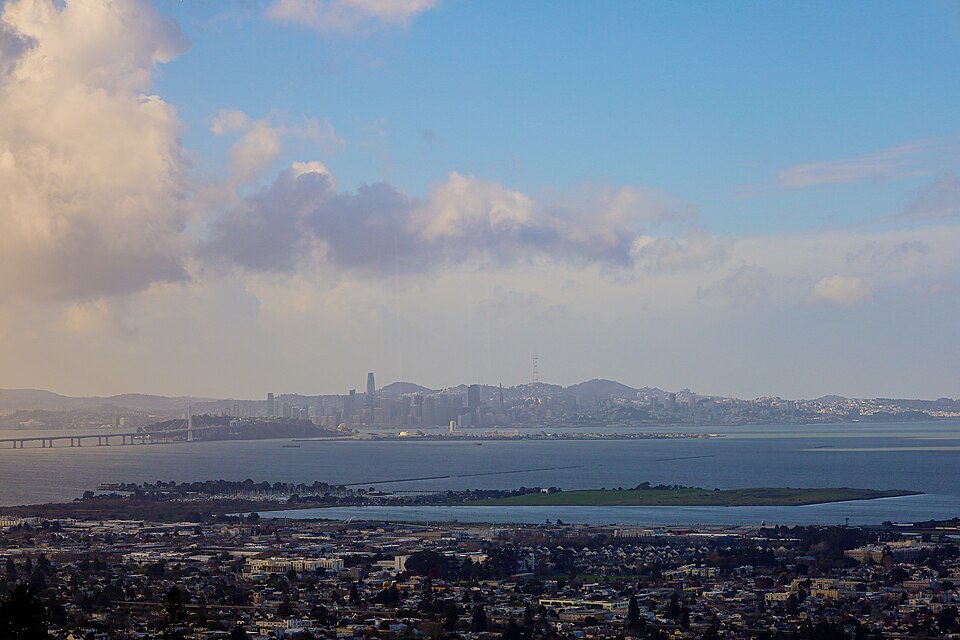
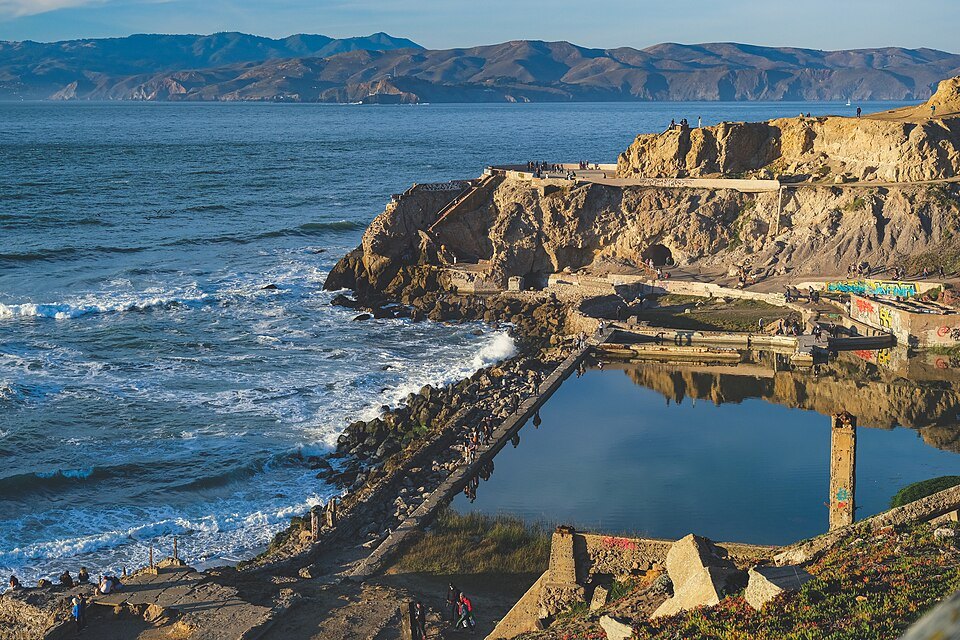
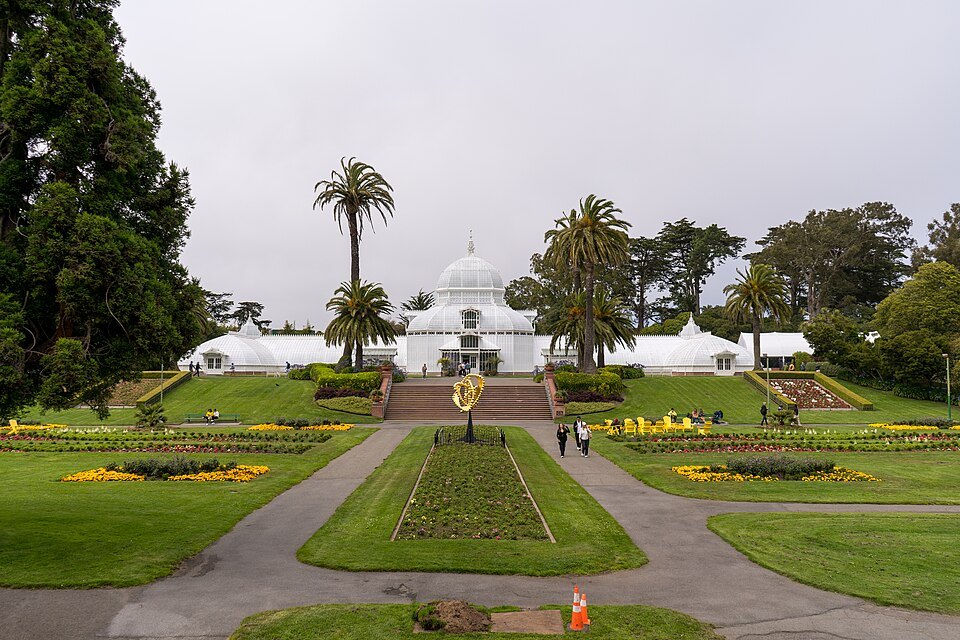
Two sights face the Pacific. Lands End is a windswept trail around the city's northwestern corner, above the ruins of the Sutro Baths, with views across the mouth of the Golden Gate. Golden Gate Park, 1,017 acres laid over the sand dunes of the Outside Lands, runs three miles from the Haight to Ocean Beach, with museums, gardens, lakes and meadows along the way. Both catch the fog first on a summer afternoon; see when to come.
The flats and the valleys
Five sights lie on the level ground of downtown and the valleys. Chinatown, the oldest in North America, climbs gently from Grant Avenue. SFMOMA, founded in 1935, fills two landmark buildings in SoMa. City Hall, completed in 1915, crowns the Civic Center with a dome taller than the US Capitol's. Mission Dolores, whose adobe chapel of 1791 is the oldest intact building in the city, stands in the sunny Mission District. And Haight-Ashbury, named for a street corner, remembers the Summer of Love of 1967.
The hills
Five sights mean climbing, or a ride up. The cable cars, the world's last manually operated system, were built for these slopes. Coit Tower, 210 feet tall, stands on top of Telegraph Hill, with fresco murals in its lobby. Lombard Street's one crooked block turns eight hairpins down Russian Hill. The Painted Ladies, the row of Victorian houses at Alamo Square, face a hilltop park with downtown behind them. And Twin Peaks, two summits of about 925 feet, look out over the whole city.
Choosing what to see
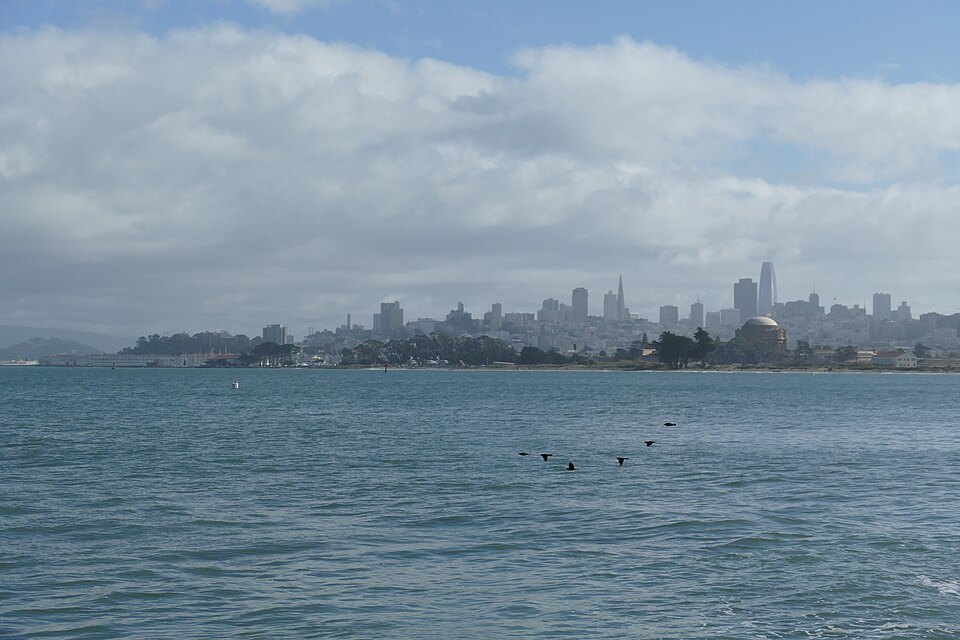
For a first visit, most people put the Golden Gate Bridge, Alcatraz, the cable cars and Chinatown at the top of the list, and these four alone make two good days. After them, choose by what you enjoy. For history, Mission Dolores, the Presidio, Alcatraz and the Ferry Building tell the story of the city from its Spanish beginnings to the ferries that carried its commuters before the bridges. For architecture, look at City Hall, the Palace of Fine Arts, SFMOMA and the Victorian houses of Alamo Square and the Haight. For views, climb Coit Tower and Twin Peaks, and walk out on the bridge and around Lands End.
For days that match the sights to the weather and the neighborhoods, see the itineraries.
Tickets and transit
Most of the eighteen are free to see: the bridge, the parks, the streets, the viewpoints and the waterfront cost nothing. Alcatraz is reachable only by the contracted ferry company and must be booked ahead; the cable cars need a fare; and SFMOMA and the museums in Golden Gate Park charge admission, and Coit Tower's viewing deck and the Mission Dolores chapel set their own visiting arrangements, which are worth checking before you go. See booking ahead for what is worth reserving.
Market Street is the spine of the city's transit. The F-line streetcar runs along it and then up the Embarcadero to Fisherman's Wharf; BART and Muni Metro run beneath it; and the Powell cable car lines start at its turntable. From these, most of the eighteen are a single ride and a short walk; the western sights, Golden Gate Park and Lands End, are reached by Muni buses and the N Judah line. See getting around.
What is not here
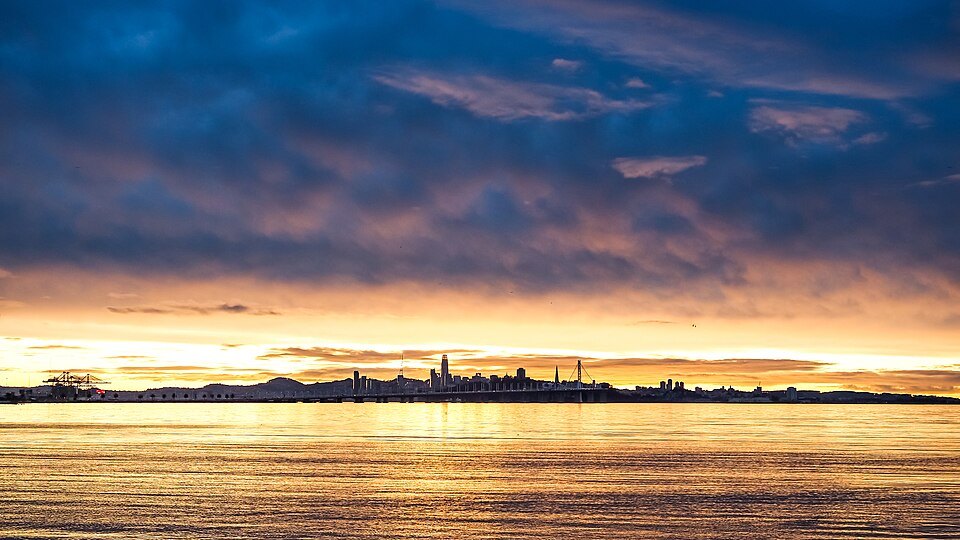
Eighteen is a selection, not an inventory. The city has many more places worth your time, among them the Legion of Honor, the de Young, the Asian Art Museum, Japantown, the Castro, Grace Cathedral on Nob Hill and the murals of Balmy Alley, and several are described on the pages of the sights beside them, or on the neighborhoods page. The journal adds longer articles on the questions visitors ask.