Home · Sights · Golden Gate Park
Golden Gate Park
Level
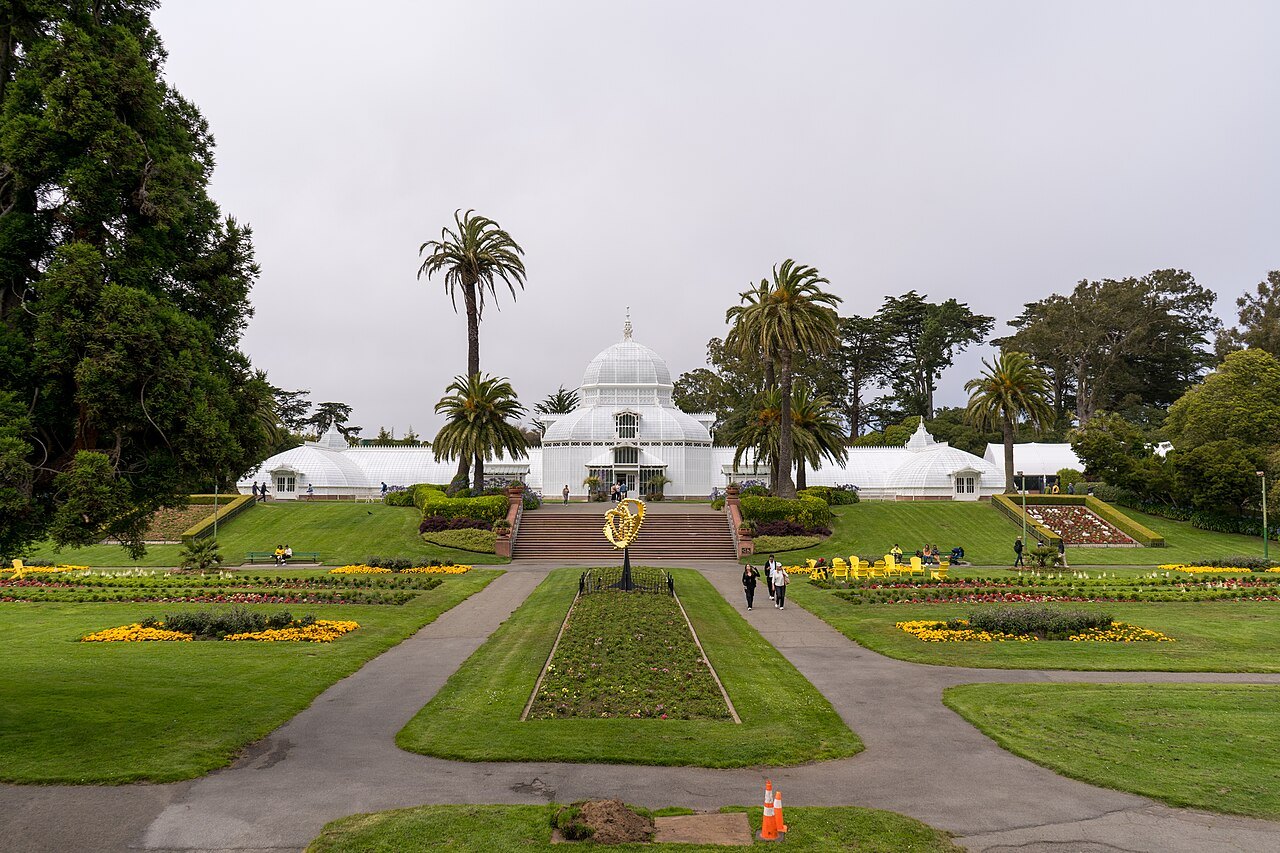
- 1The Conservatory of FlowersA white Victorian greenhouse of wood and glass opened in 1879, the oldest building in the park.
- 2The Music ConcourseA sunken oval plaza from the 1894 exposition, between the de Young and the Academy of Sciences.
- 3The de Young MuseumA fine arts museum rebuilt in copper by Herzog & de Meuron and reopened in 2005, with a viewing tower.
- 4The California Academy of SciencesA natural history museum with an aquarium, a planetarium dome and a living roof of native plants.
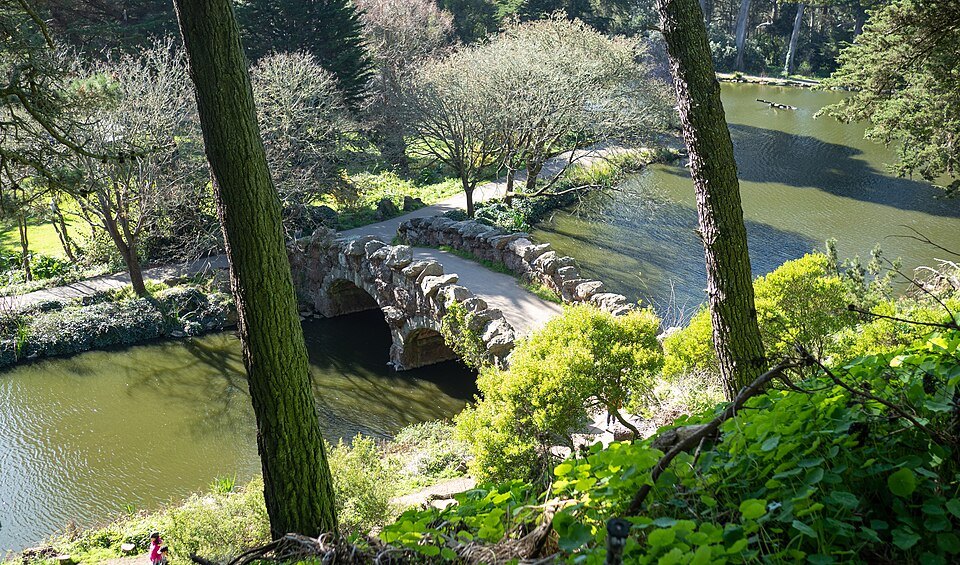
- 5The Japanese Tea GardenThe oldest public Japanese garden in the United States, with its pagoda, stone lanterns and arched bridge.
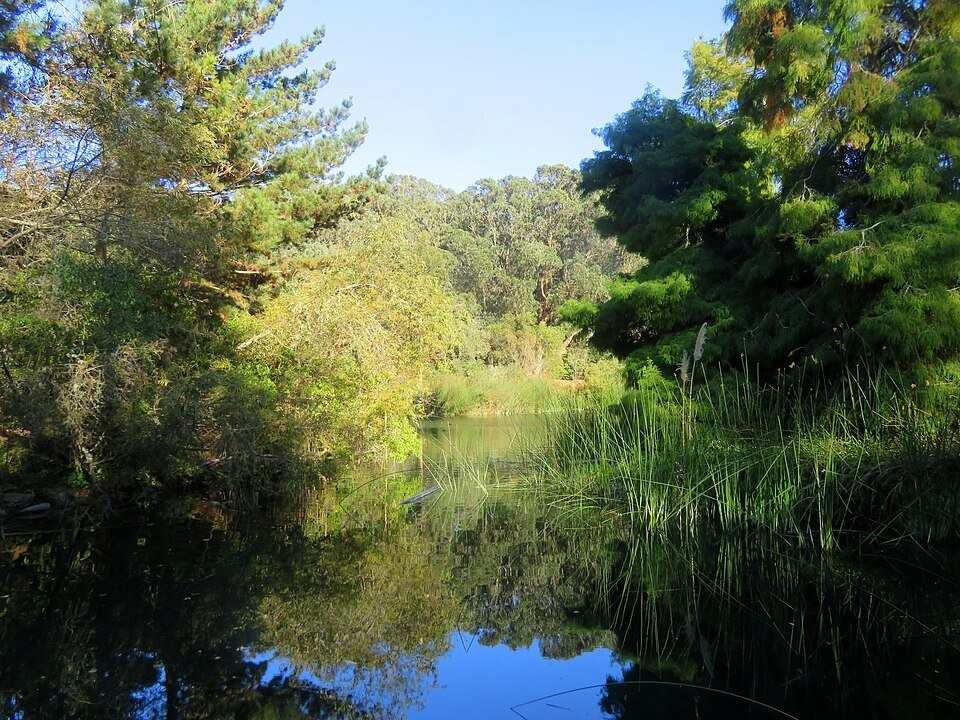
- 6Blue Heron LakeThe park's first artificial lake, circling Strawberry Hill and its waterfall, with boats to rent.
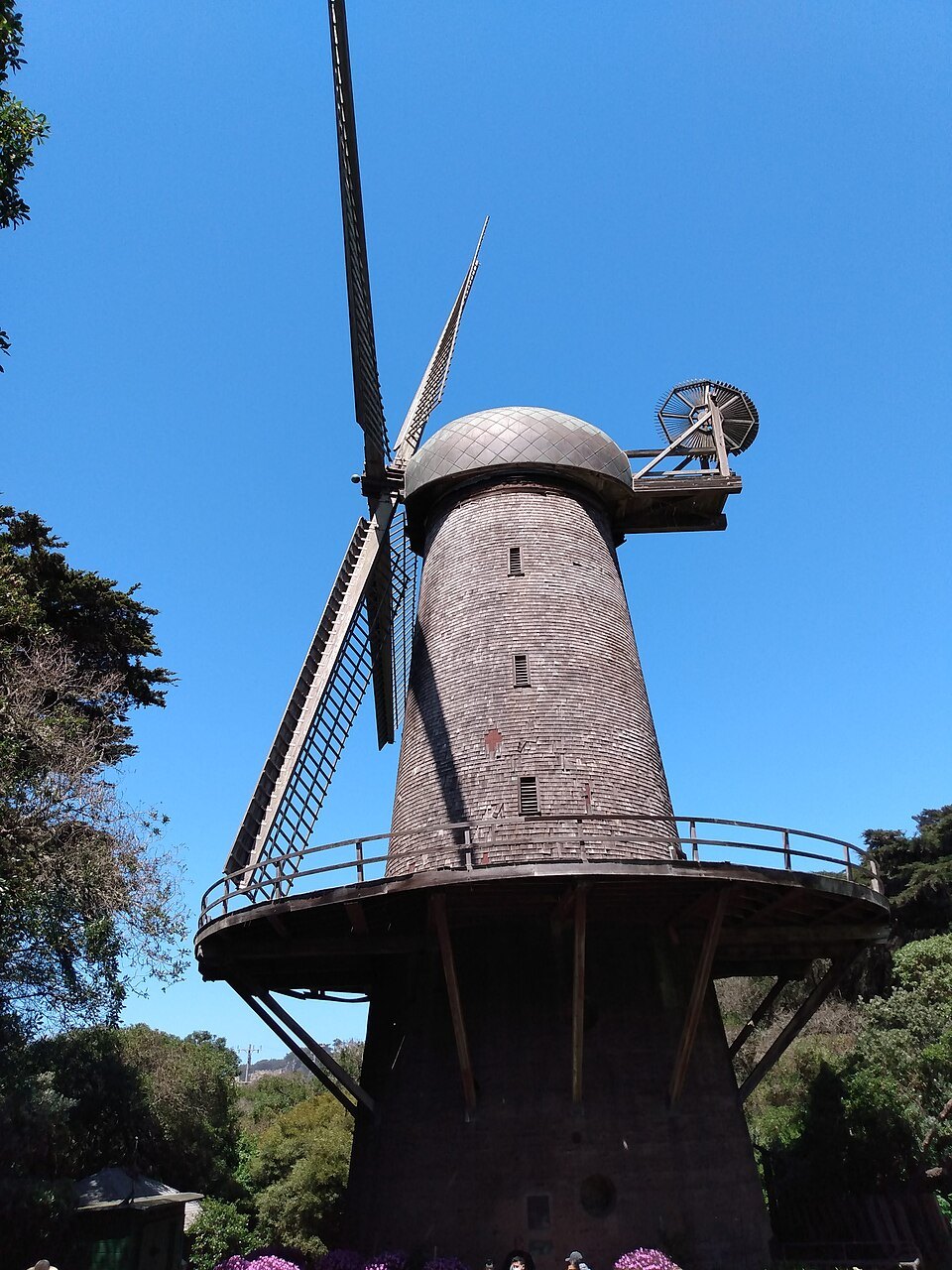
- 7The windmillsTwo windmills near Ocean Beach, built to pump water for the park's irrigation.
Reading the place
Why it matters
Golden Gate Park is the great park of the city's West Side, running more than three miles from the edge of the Haight to Ocean Beach and about half a mile wide: 1,017 acres in all, and, with an estimated 24 million visitors a year, the third-most visited city park in the United States. It holds two of the city's major museums, the oldest public Japanese garden in the country, a Victorian greenhouse, lakes, woods and a herd of bison, and it is where San Franciscans run, cycle, picnic and go to concerts. It became a National Historic Landmark in 2004.
It is also a remarkable piece of engineering. Almost none of it is natural: it was grown, tree by tree, on shifting sand.
Built on the dunes
In the 1860s San Franciscans wanted a great public park like the Central Park then taking shape in New York. The land they chose was the Outside Lands, a waste of sand and shore dunes west of the city's limits. In 1865 Frederick Law Olmsted proposed a park of native plants suited to the dry climate, but the city preferred a Central Park-style landscape that needed heavy irrigation. The engineer William Hammond Hall surveyed the site in 1870 and became its commissioner the following year.
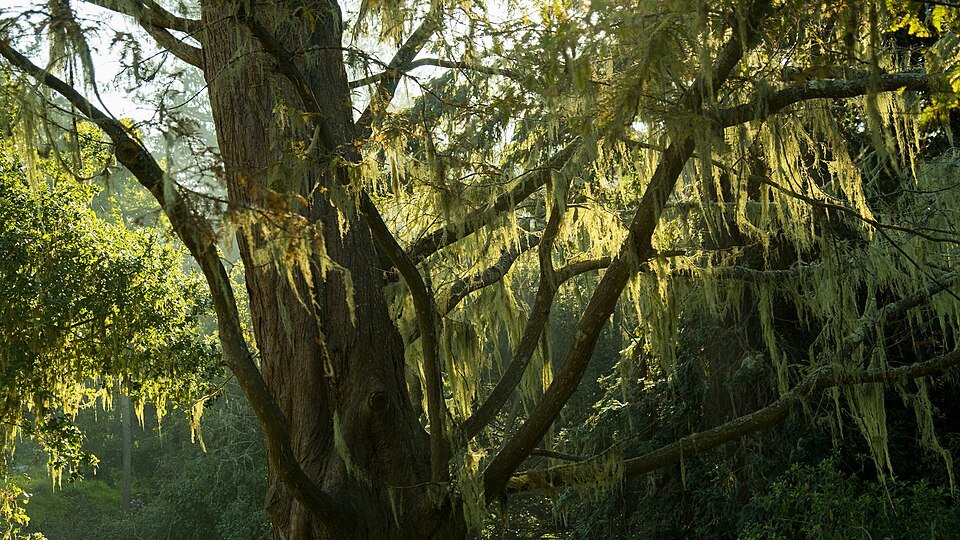
The first task was to hold the sand still. Hall's assistant and successor, the Scottish-trained gardener John McLaren, grew bent grass from French seed and planted it over the dunes, then trees: by 1879 some 155,000, mostly eucalyptus, Monterey pine and Monterey cypress, over a thousand acres. McLaren ran the park for decades, refused to retire even at seventy, and lived in the park lodge until he died in 1943, aged 96. Water for all of it came in part from two windmills built near the ocean from 1902 to pump groundwater. After the 1906 earthquake the park sheltered thousands of homeless residents in tents and small earthquake shacks.
The Music Concourse and the museums
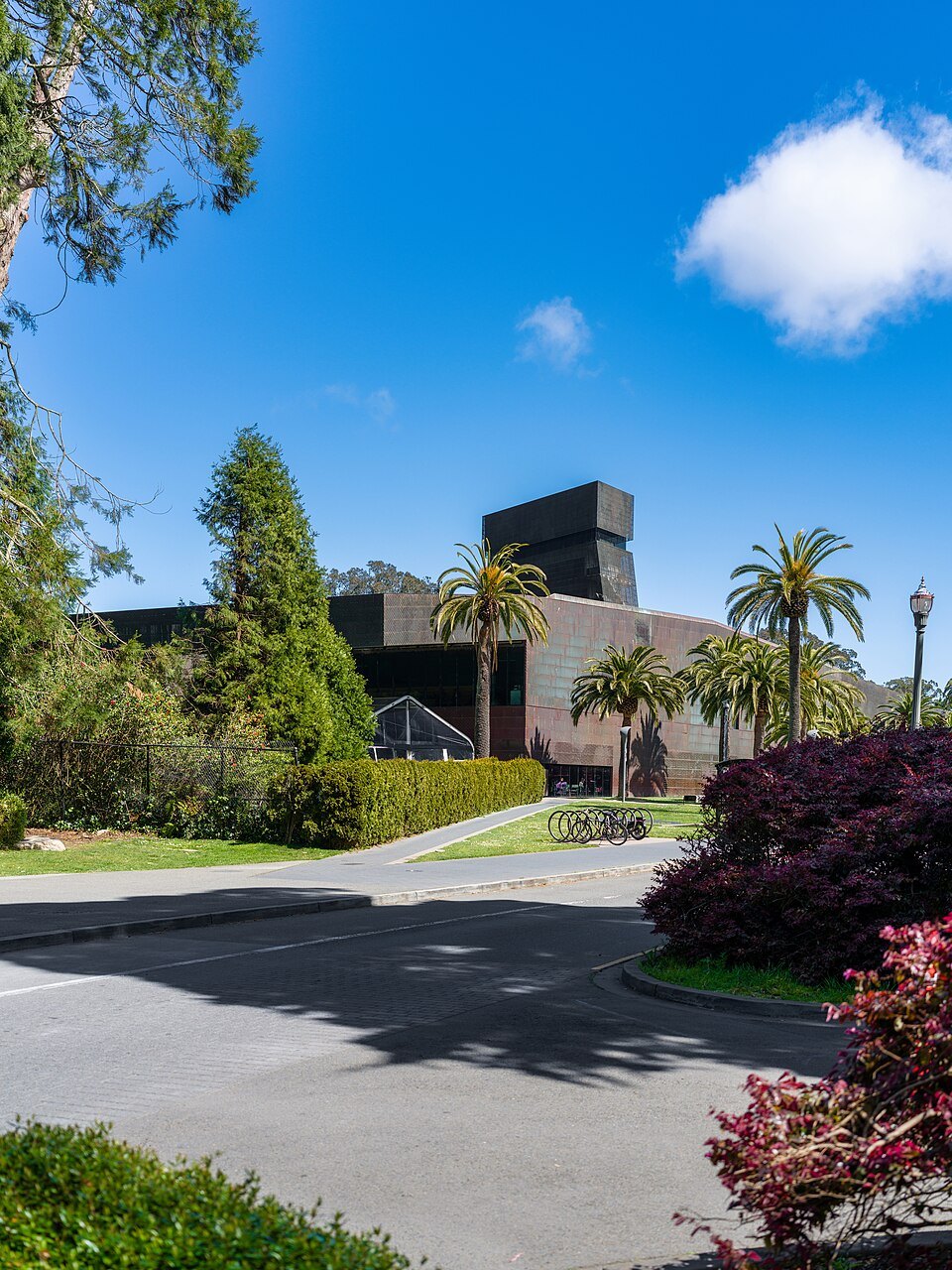
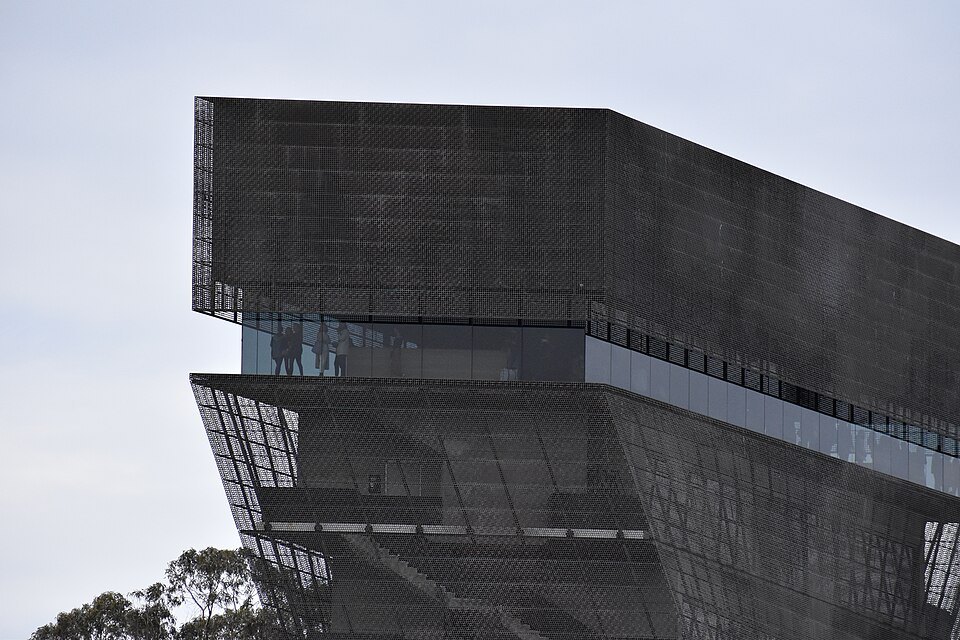
The heart of the park is the Music Concourse, a sunken oval plaza dug for the California Midwinter International Exposition of 1894, with the bandshell of the Spreckels Temple of Music at one end. On its north side stands the de Young Museum, the city's fine arts museum since 1921, rebuilt from 2001 by the architects Herzog & de Meuron and reopened in 2005: a long, low building clad in copper that is slowly weathering to green, with the Hamon Observation Tower, 144 feet high and the tallest point in the park, from which you can look out over the park, the city and the ocean.
Facing it is the California Academy of Sciences, founded in 1853 and the oldest scientific institution in the West, rebuilt as a single building with an aquarium, a planetarium, a rainforest under a glass dome, and a living roof of two and a half acres planted with native California plants.
The gardens
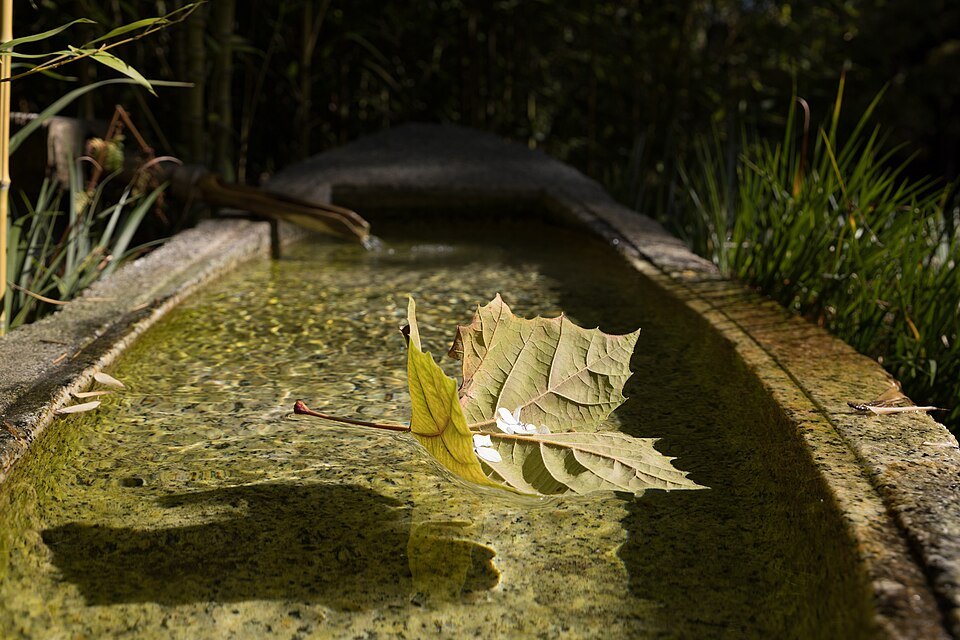
Next to the de Young, the Japanese Tea Garden began as a Japanese Village exhibit for the 1894 exposition. The Japanese gardener Makoto Hagiwara took it over and made it permanent, and his family lived there until 1942, when they were evicted and sent to internment camps under Executive Order 9066; during the war the garden was renamed the Oriental Tea Garden. Its stepping-stone paths, stone lanterns, pagoda, arched drum bridge, dwarf trees, bamboo and azaleas make it one of the quietest places in the park.
At the eastern end, the Conservatory of Flowers, opened in 1879, is the park's oldest building and one of the largest Victorian greenhouses in the United States, a white wood-and-glass palace holding some 1,700 species of tropical, rare and aquatic plants. It has survived a boiler explosion, fires and a storm of 1995 that shattered 40 percent of its glass. The San Francisco Botanical Garden, the Rose Garden and the Shakespeare Garden are all within a short walk.
Lakes, bison and the ocean end
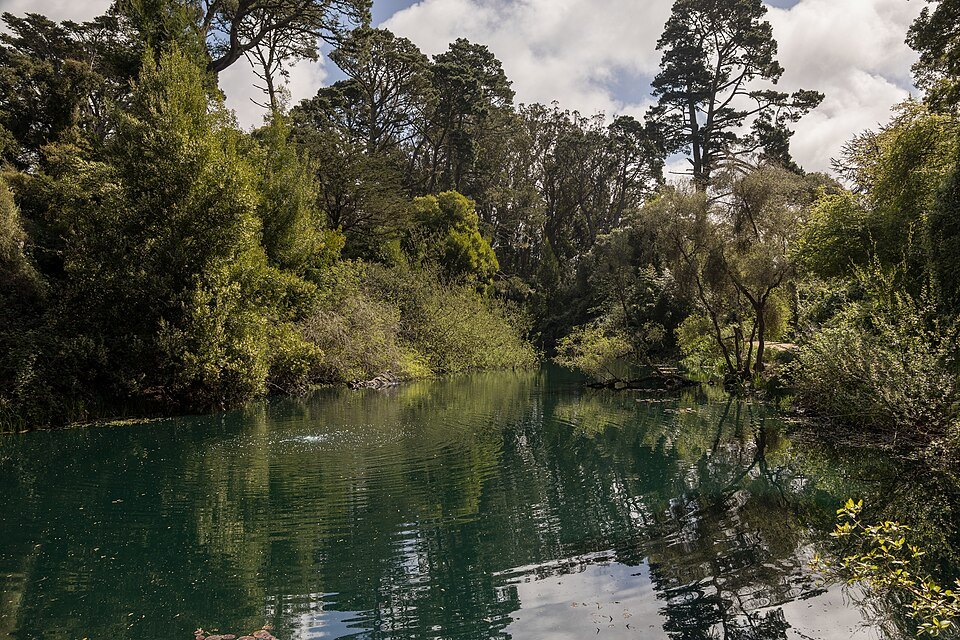
West of the concourse, Blue Heron Lake circles Strawberry Hill, now an island with a pumped waterfall, and has rowboats and pedal boats for hire; it was renamed in 2024 from Stow Lake, after the donor William Stow's outspoken antisemitism. Further west are the Bison Paddock, where bison have been kept since 1891, and the Polo Field, and at the far end, near Ocean Beach, the North or Dutch Windmill and the Murphy Windmill stand among the cypresses. In the Haight end, Hippie Hill recalls the park's part in the Summer of Love.
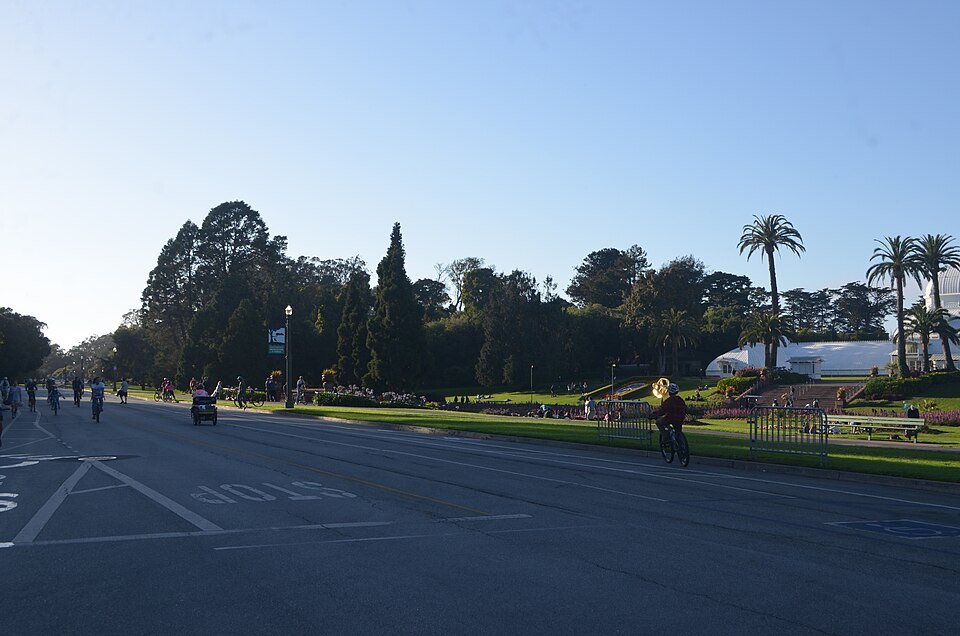
Since 2022 the eastern stretch of John F. Kennedy Drive through the park has been permanently car-free, a promenade for walking and cycling that links many of these sights.
How to visit
The park is mostly level and easy walking, but it is big: allow a whole day to see the museums and gardens, or pick one area. The Music Concourse, with the de Young, the Academy and the Tea Garden, is the natural starting point. The N Judah line of Muni Metro runs along the southern edge, and several bus lines cross the park or run along its sides; see getting around. The museums and the Tea Garden charge admission and set their own ticketing, which can change; booking ahead says which are worth reserving on a busy day.
The western end is often foggy and cool while the eastern end is sunny, and the park is at its best on a clear morning; see when to come. The eastern edge is close to Haight-Ashbury, and Ocean Beach and Lands End are just beyond the windmills.
Nearby
- NearbyHaight-AshburyA district of tall, ornate wooden Victorian and Edwardian houses at the east end of Golden Gate Park, named for a street corner and remembered as one of the centers of the 1960s counterculture.Read the page
- NearbyLands End and the Sutro BathsWindswept cliffs and cypress at the corner where the Golden Gate meets the Pacific, with the ruins of an 1896 bathhouse below, the Cliff House above them and the Legion of Honor in the woods behind.Read the page
- NearbyAlamo Square and the Painted LadiesA row of Victorian houses built in the 1890s on Steiner Street, facing a hilltop park that looks straight over them to downtown: San Francisco's most photographed houses, and a story of how the city put the color back on its Victorians.Read the page