Home · Sights · City Hall and the Civic Center
City Hall and the Civic Center
Level
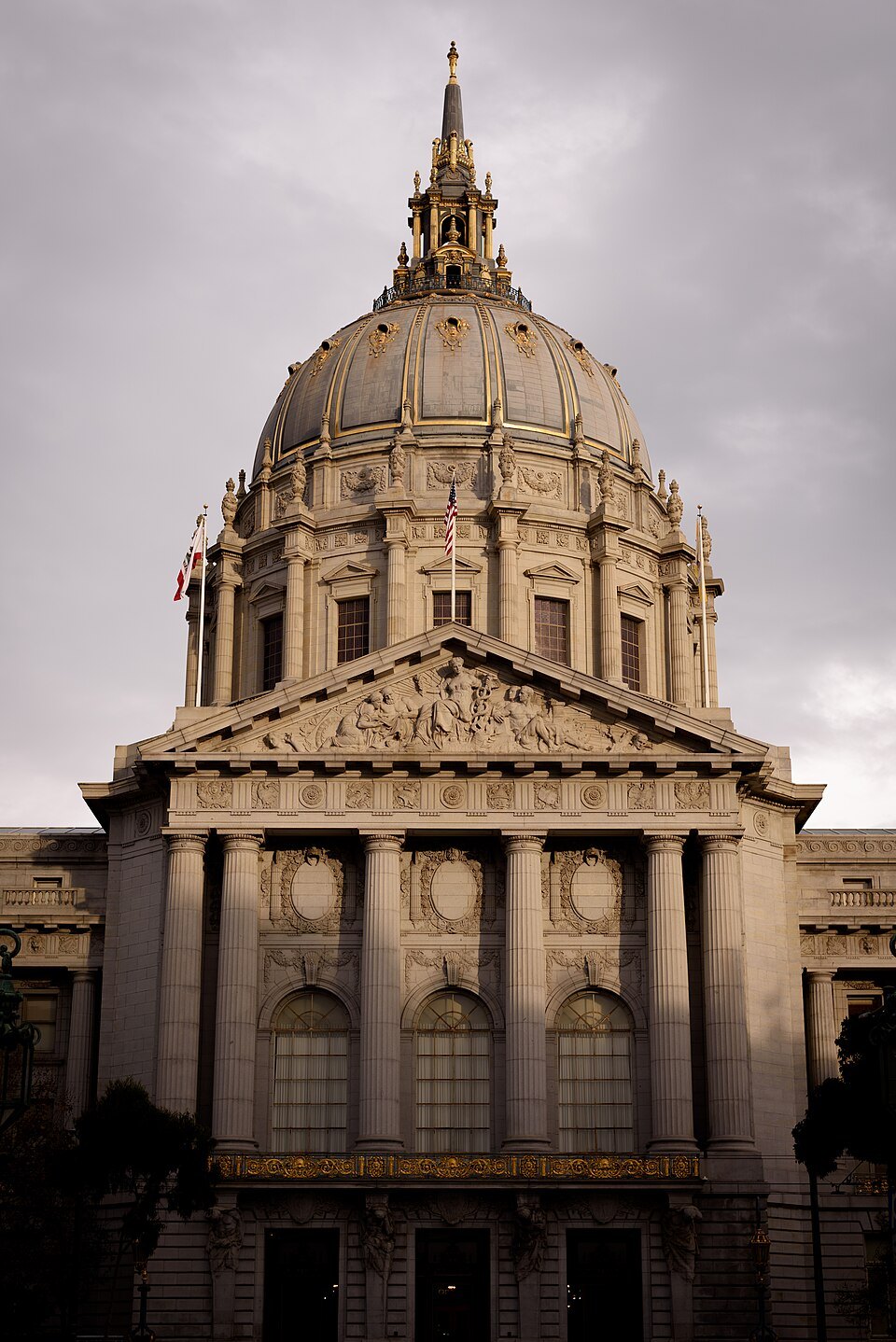
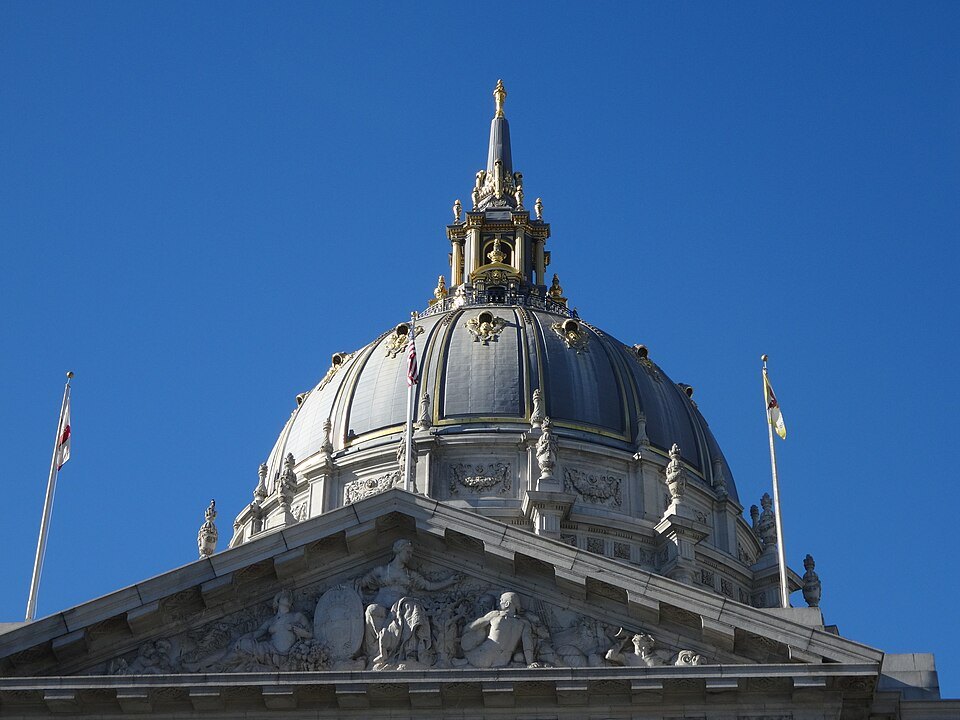
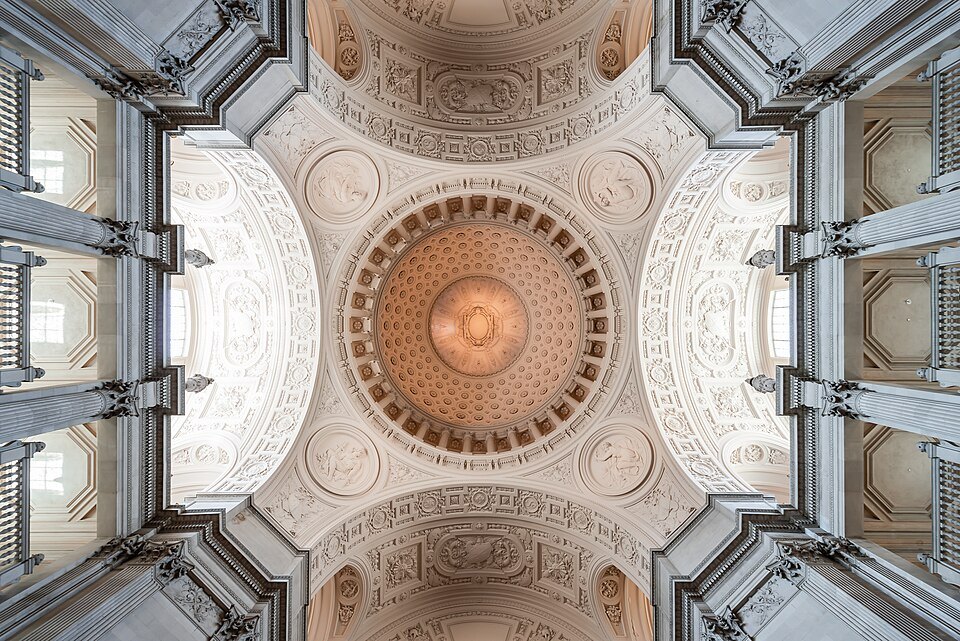
- 1The domeA copper-and-gold dome modeled on the domes of Paris, rising above two full city blocks.
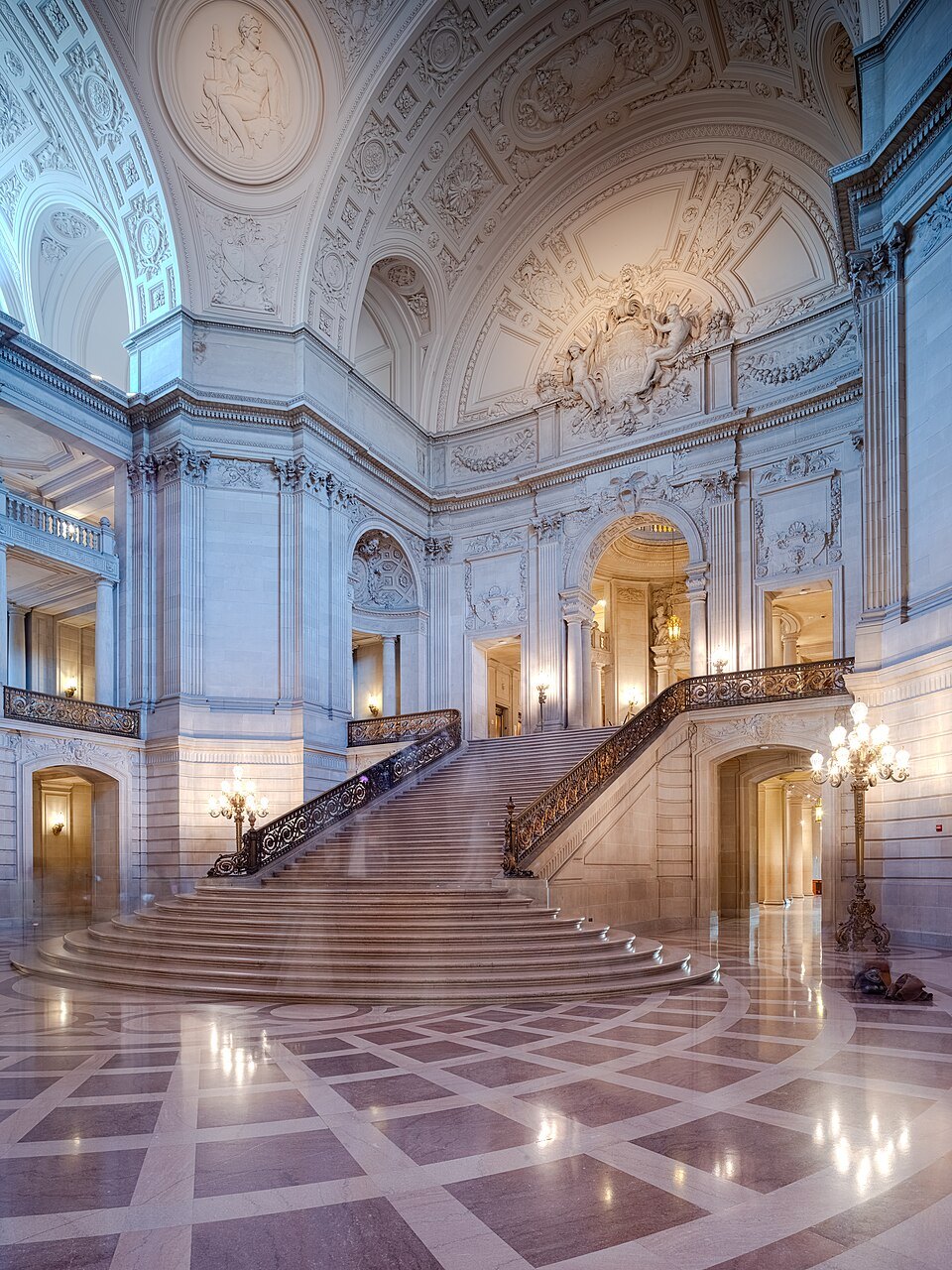
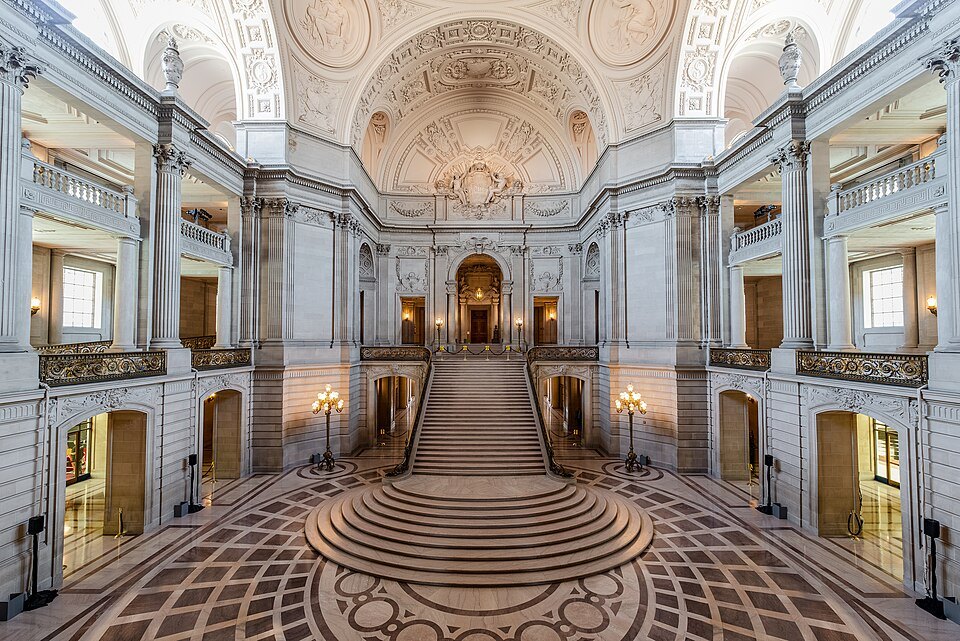
- 2The rotundaA marble-lined hall under the dome, with a grand staircase rising to the second floor.
- 3The Mayor's officeOpposite the grand staircase, near where Mayor George Moscone and Supervisor Harvey Milk were killed in 1978.
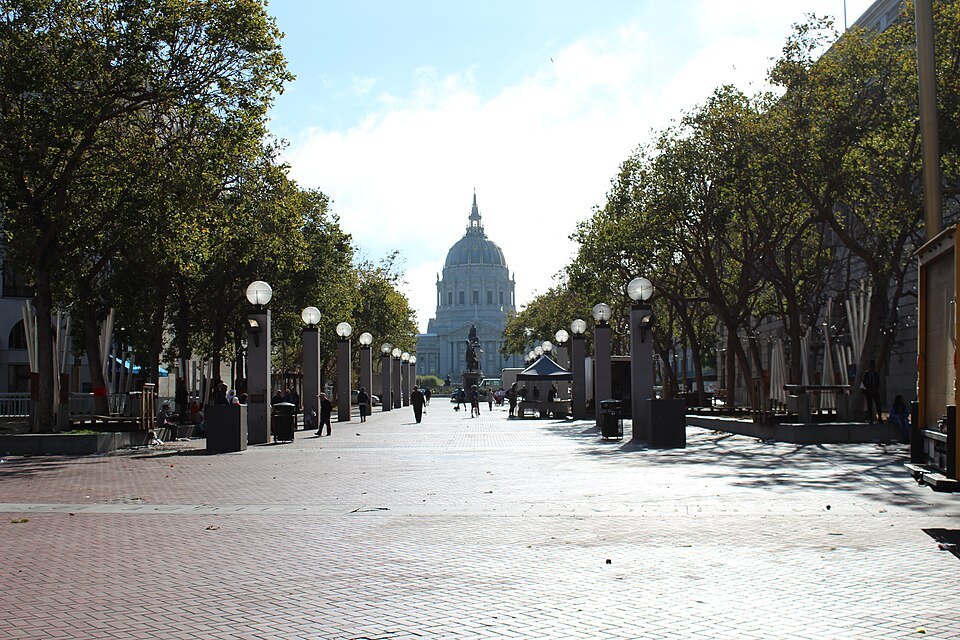
- 4Civic Center PlazaThe formal open space on the building's eastern side, facing the Bill Graham Civic Auditorium.
- 5The War Memorial Opera HouseHome of the San Francisco Opera since 1932, across Van Ness Avenue.
- 6The Asian Art MuseumThe city's museum of Asian art, in the former main library facing City Hall.
Reading the place
Why it matters
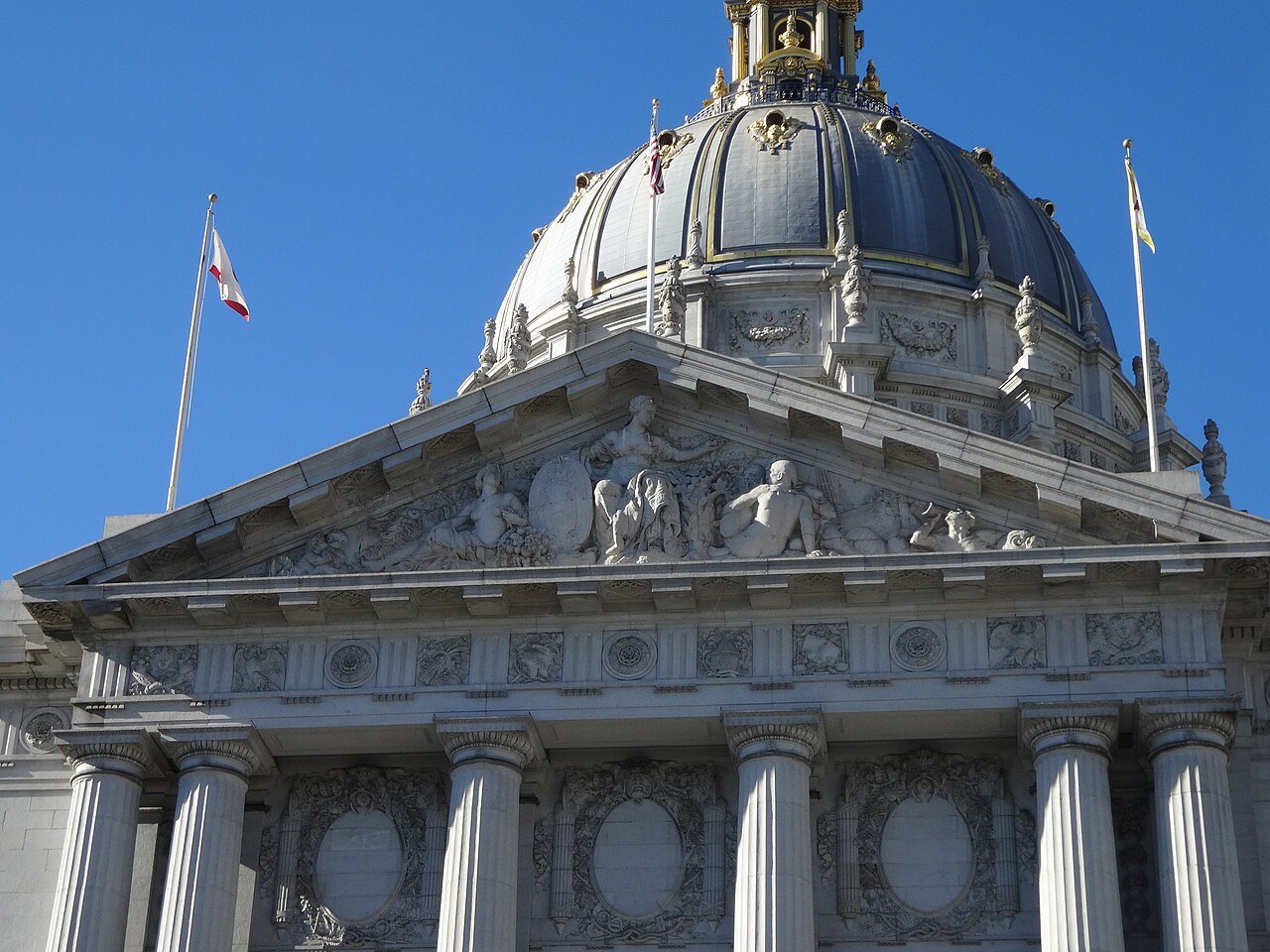
San Francisco City Hall is the seat of government of the City and County of San Francisco and one of the finest Beaux-Arts buildings in the United States. It was built to show that the city had risen from the 1906 earthquake and fire, which had left the old City Hall a ruin, and it was finished just in time for the 1915 exposition. Its dome rises higher than the dome of the United States Capitol, and together with the classical buildings around it, it forms the Civic Center, a monument to the City Beautiful movement of the early twentieth century.
It is also a working building where history is still made. Mayors have been sworn in, and public figures have lain in state in the rotunda, among them General Frederick Funston in 1917 and President Warren G. Harding in 1923; and weddings are held under the dome, from Joe DiMaggio and Marilyn Monroe's in 1954 to the many couples married here since.
The old City Hall and the new
The previous City Hall took twenty-seven years to build, from 1870 to 1897, amid corruption and seven chief architects, and its walls were rumored to be filled with shoddy materials. The 1906 earthquake destroyed it. The city planner Daniel Burnham had published a plan in 1905 to redesign the city around a new civic center, but after the earthquake it was shelved for speed. Instead, the city built a new civic center in the classical style of the City Beautiful movement, and to finish it before the 1915 exposition.
Arthur Brown Jr., of the firm Bakewell and Brown, won the design competition. His attention to detail reached from the dome to the doorknobs and the typeface of the signs. Ground was broken on April 5, 1913, the mayor moved in at the end of 1915, and the last stone was laid in March 1916. Brown went on to design the War Memorial Opera House, the Veterans Building and Coit Tower.
What you see
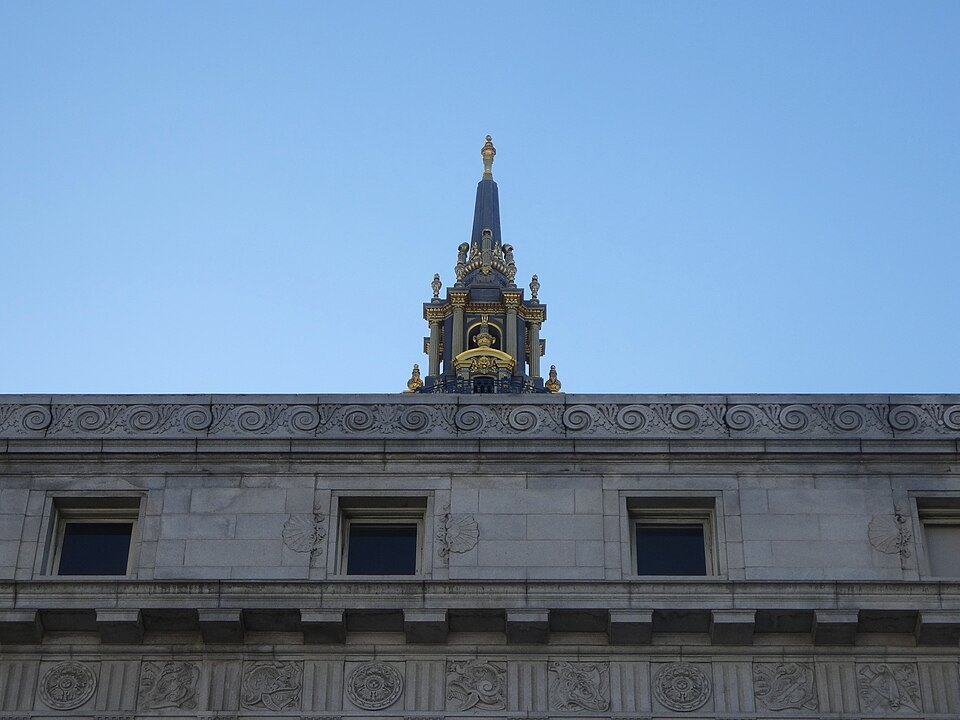
The building fills two full city blocks, and its dome, which owes much to Jules Hardouin-Mansart's Baroque domes of the Invalides and the Val-de-Grâce in Paris, rises above the whole district, black and gold against the sky. The exterior is faced with granite from Madera County; inside, the walls are Indiana sandstone and marble from Alabama, Colorado, Vermont and Italy, and much of the sculpture is by Henri Crenier.
Walking in from Civic Center Plaza, you reach the rotunda under the dome, a vast space of pale stone with a grand staircase rising to the second floor and medallions in the vaults representing Equality, Liberty, Strength, Learning and Progress. Opposite the top of the staircase is the Mayor's office. Nearby stand bronze busts of Mayor George Moscone and his successor Dianne Feinstein, and a bust of Supervisor Harvey Milk: Moscone and Milk were assassinated in this building in 1978, and the busts stand a few yards from where it happened.
Earthquakes and restoration
City Hall has survived its own earthquake. The Loma Prieta earthquake of 1989 damaged the building and twisted the dome four inches on its base. In the restoration that followed, the building was set on a base isolation system designed to protect it from future earthquakes, and its interiors were restored.
The Civic Center
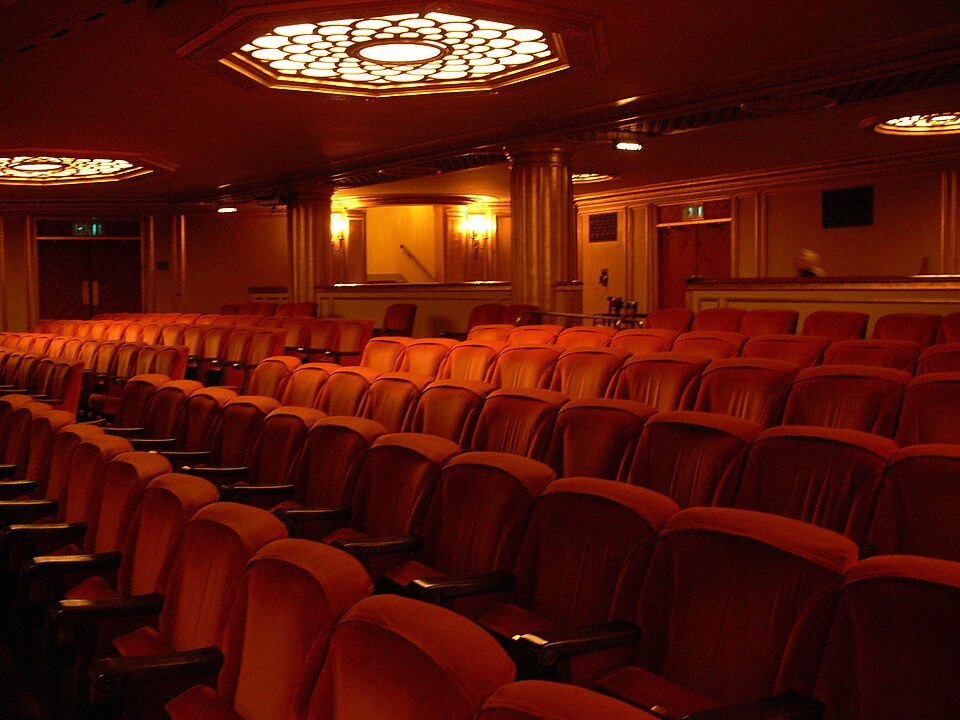
City Hall is the centerpiece of a group of classical buildings raised in the years after 1906. Across Van Ness Avenue to the west stand the War Memorial Opera House, home of the San Francisco Opera since 1932, and the Veterans Building: in its Herbst Theatre the United Nations Charter was signed in 1945, after the San Francisco Conference that created the United Nations met in the Opera House.
East of City Hall, Civic Center Plaza leads to the Bill Graham Civic Auditorium, built for the 1915 exposition, and to the Asian Art Museum, the city's museum of Asian art, housed in the old main public library, a Beaux-Arts building of 1917 by George Kelham that is one of the city's most important historic structures. Further east, United Nations Plaza, named for the charter signed a few blocks away, runs down to Market Street.
How to visit
City Hall is a public building whose rotunda visitors can walk into, and its upper levels are accessible to wheelchair users; the city sets its own visiting arrangements and tours, so check them before you go. Allow half an hour for the rotunda, longer if you join a tour or visit the Asian Art Museum. The Civic Center station on BART and Muni Metro is a short walk away; see getting around.
The Civic Center borders the Tenderloin to the north and east; the street sense page covers what to expect on downtown streets and practical ways to get about them. The Painted Ladies at Alamo Square are a short bus ride or a walk up Fulton Street, whose line points straight at City Hall's dome, and SFMOMA is a short ride along Market Street.
Myths and facts
The dome is taller than the Capitol's in Washington, but it is not the tallest in the world, as is sometimes claimed; it is simply one of the largest and finest in the country. Nor is City Hall a museum: it is the working headquarters of the city government, and the people you see on its stairs are as likely to be arriving for a wedding or a hearing as for a photograph.
Nearby
- NearbyAlamo Square and the Painted LadiesA row of Victorian houses built in the 1890s on Steiner Street, facing a hilltop park that looks straight over them to downtown: San Francisco's most photographed houses, and a story of how the city put the color back on its Victorians.Read the page
- NearbySFMOMA and Yerba BuenaA museum founded in 1935, in Mario Botta's striped-brick building of 1995 and Snøhetta's rippling white extension of 2016, beside the gardens and galleries of Yerba Buena in SoMa.Read the page
- NearbyMission Dolores and the Mission DistrictThe adobe mission chapel of 1791, built by Ohlone labor and the oldest intact structure in San Francisco, beside its basilica and cemetery, at the edge of the Mission District's murals, taquerias and hilltop park.Read the page