How do you get from SFO to downtown San Francisco?
BART from the terminal to Market Street, the free AirTrain that links the gates to the station, how to pay, and when a taxi, ride-hail or Caltrain makes more sense.
Read on
The short answer
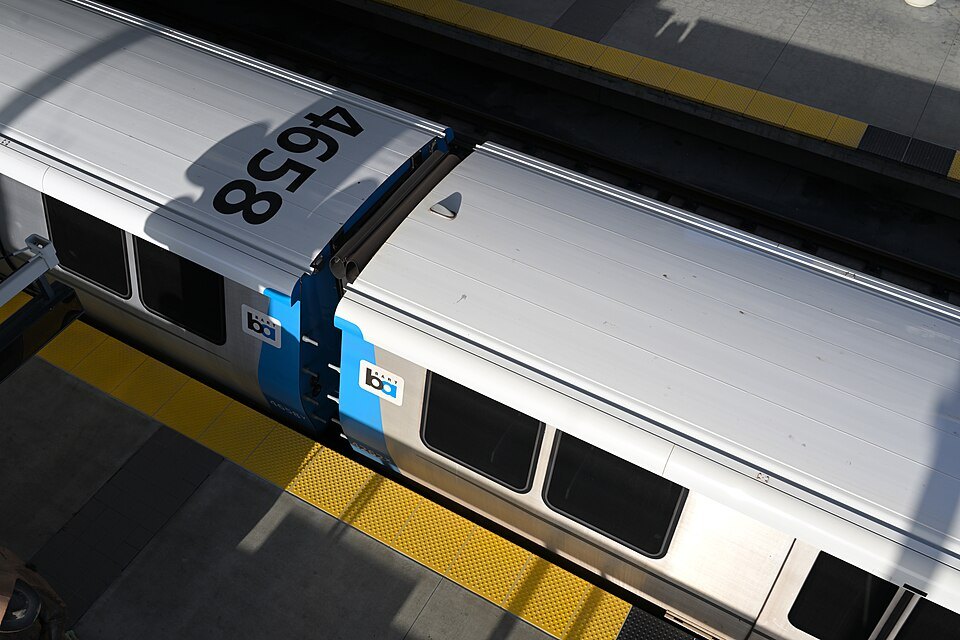
Take BART. San Francisco International Airport, universally called SFO, has its own BART station inside the terminal complex, and trains run from it straight into the city, under Market Street, to the four downtown stations: Civic Center, Powell Street, Montgomery Street and Embarcadero. From the domestic gates, the free AirTrain carries you to the station. Pay with a contactless bank card, a phone or a Clipper card at the gate, and you can be downtown without a car, a taxi line or a transfer.
A taxi or ride-hailing car is the better choice with heavy luggage, small children, a hotel far from a station, or a late arrival. Caltrain, by way of Millbrae, suits anyone heading down the Peninsula rather than into the city.
Some links on this page are affiliate links. If you book through one we may earn a commission, at no extra cost to you. It does not affect what is recommended here, and no sight page on this site carries one.
A transfer booked ahead, somewhere to leave bags, and mobile data from landing.
Where the airport is
SFO is owned and run by the City and County of San Francisco and has a San Francisco mailing address, but it is not in the city. It stands on the bay shore of San Mateo County, about twelve miles south of downtown. It is the largest airport in the Bay Area and one of the busiest in the country, a hub for United Airlines, which uses it as its main gateway across the Pacific, and for Alaska Airlines.
It began in 1927 as Mills Field, a temporary, experimental airfield on a 150-acre cow pasture leased from the estate of the banker Darius Ogden Mills. The city bought the land and renamed it San Francisco Airport in 1931, and added the word International after the Second World War, as overseas flights grew. It has been rebuilt and enlarged many times since, and it houses its own aviation museum and library in the International Terminal.
The airport is a ring of terminals around a central road and garages. The International Terminal, opened in 2000, handles international flights and some domestic ones; the domestic terminals complete the loop. Knowing which terminal you land in tells you how to reach the train.
Finding the train
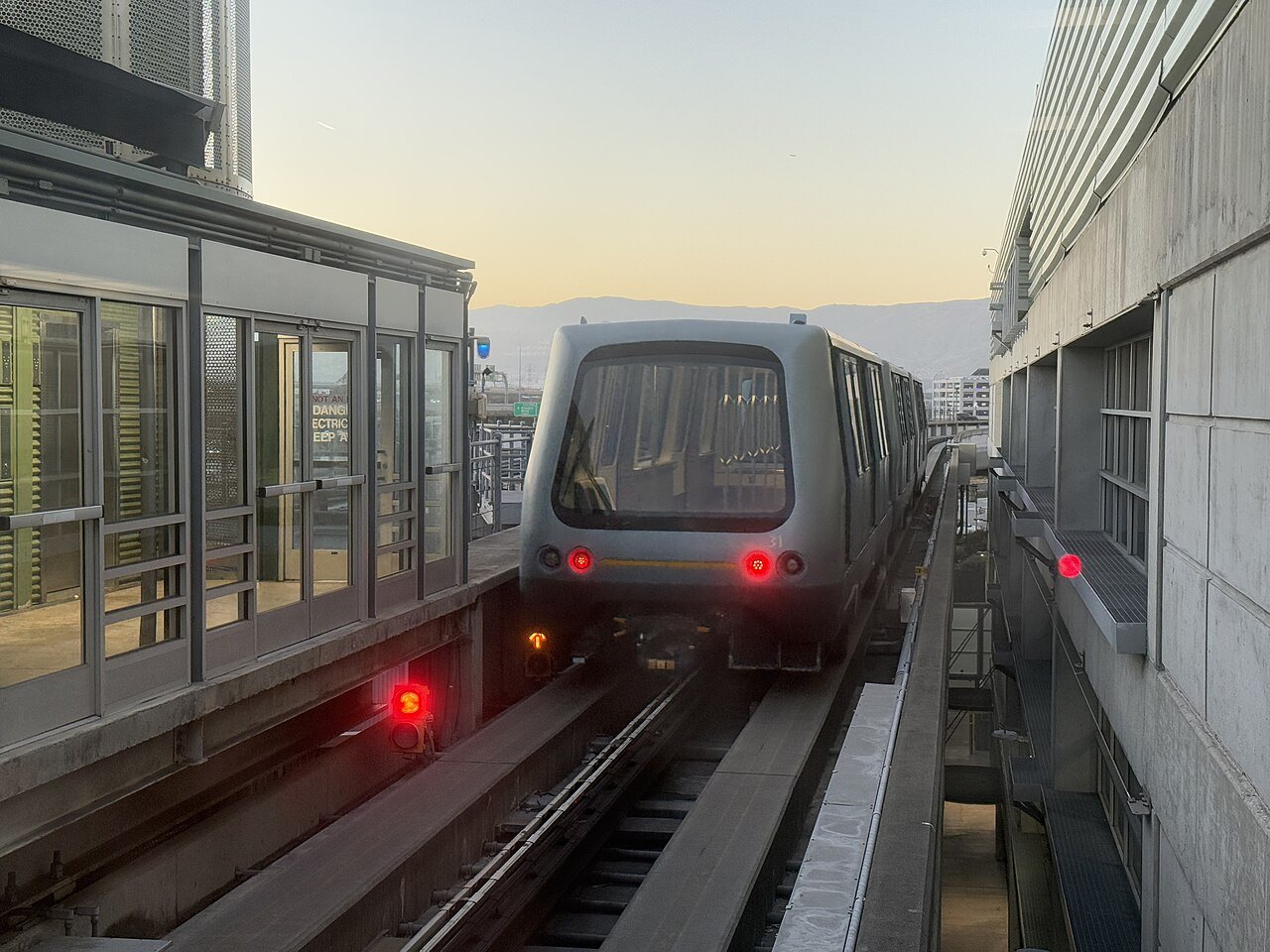
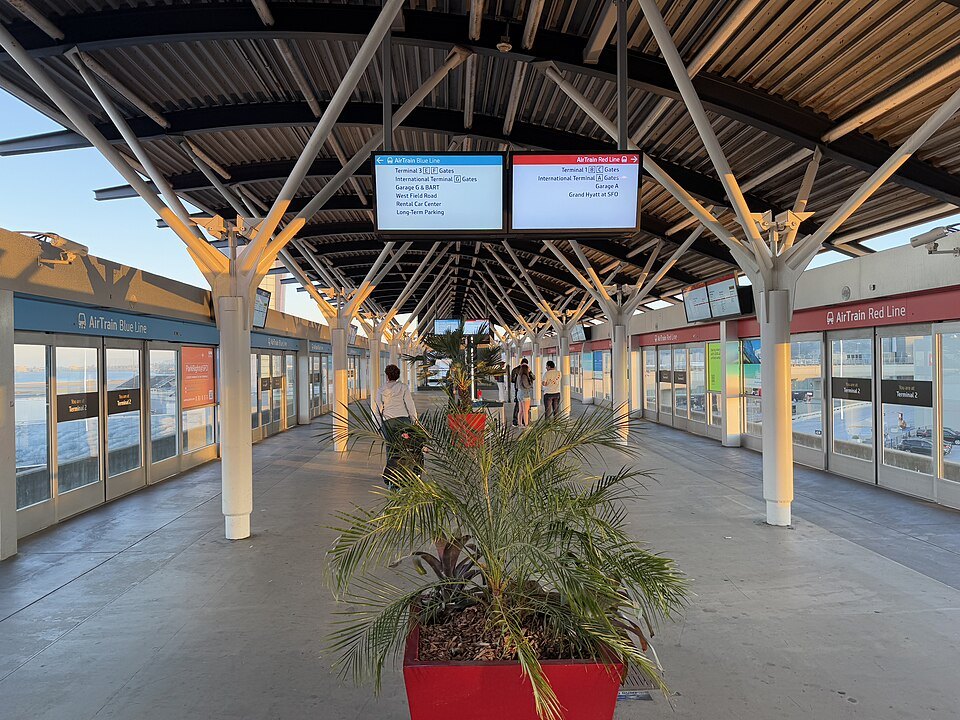
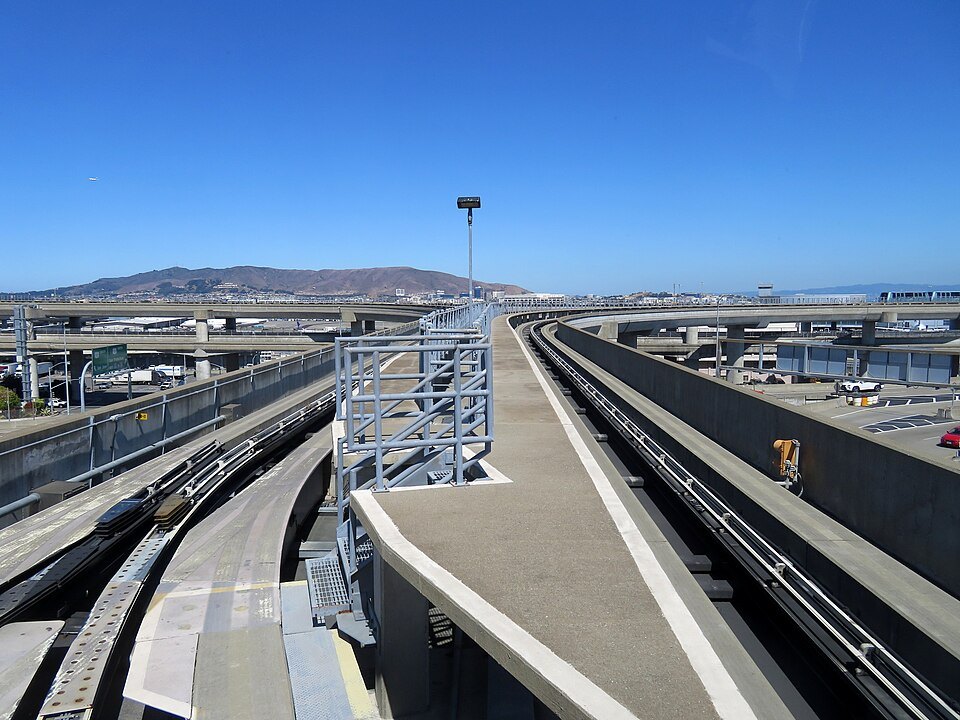
The BART station is part of the International Terminal, next to the garage that leads to Boarding Area G. If you land at an international gate, follow the signs through the terminal to the station. If you land at a domestic gate, take the AirTrain, a fully automated people mover that is free to ride. It links every terminal, the two International Terminal garages, the BART station, the airport hotel, the Rental Car Center and the long-term parking garage.
BART was extended to the airport in 2003, after years of planning, precisely so that passengers could board at the terminals and ride directly to downtown San Francisco, Oakland and the East Bay.
Paying for BART
Since August 20, 2025, you no longer need a Clipper card to ride BART: the fare gates accept contactless credit and debit cards and phone wallets such as Apple Pay and Google Pay. Tap the same card or phone at the gate as you enter and as you leave.
If you already have a Clipper card, the reloadable card used by most Bay Area transit, it works too, and it is worth setting up if you plan to ride Muni and the cable cars; see booking ahead. Keep the card or phone you used handy until you exit, because you need it to open the gate at the other end.
Which station for your hotel
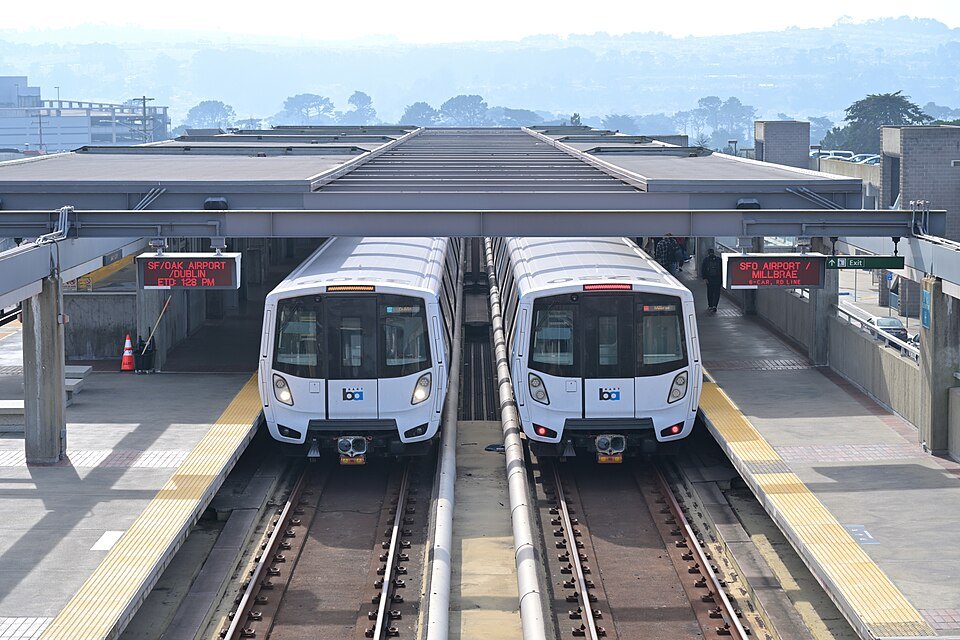
BART shares four stations with Muni Metro under Market Street. Civic Center is best for City Hall, Hayes Valley and the western end of downtown. Powell Street comes up beside the cable car turntable at Powell and Market, a block from Union Square and its hotels. Montgomery Street serves the Financial District, SoMa and SFMOMA. Embarcadero, the last stop in the city, is for the Ferry Building, the waterfront and the hotels along the bay.
From these, Muni Metro trains, the F-line streetcar and the buses fan out across the city; see getting around. On the way in, the train also stops at Sixteenth Street and Twenty-Fourth Street, in the Mission, which is useful if you are staying there.
Taxis and ride-hailing cars
Taxis wait at the curbs outside the terminals. Ride-hailing cars pick up in designated areas; for the domestic terminals the pickup area is on the fifth floor of the adjacent garage, so follow the signs rather than waiting at the curb. The drive into the city runs up the bayside freeway, Route 101, and is short when the roads are clear, but traffic around the airport and into the city can be heavy, so a taxi is not always faster than the train.
With several people sharing, a car can make sense for convenience; for one or two travelers with a bag each, BART is simpler.
Car rental
The Rental Car Center is reached by the AirTrain. Think twice before picking up a car for a stay in the city itself. Parking is scarce, the hills demand care, and cars parked at viewpoints and on the street are frequent targets for break-ins. The police advice is to leave nothing in a car at all and to leave luggage at the hotel rather than in the trunk; see street sense. If you need a car for the redwoods or the wine valleys, rent it for those days only.
Caltrain and the Peninsula
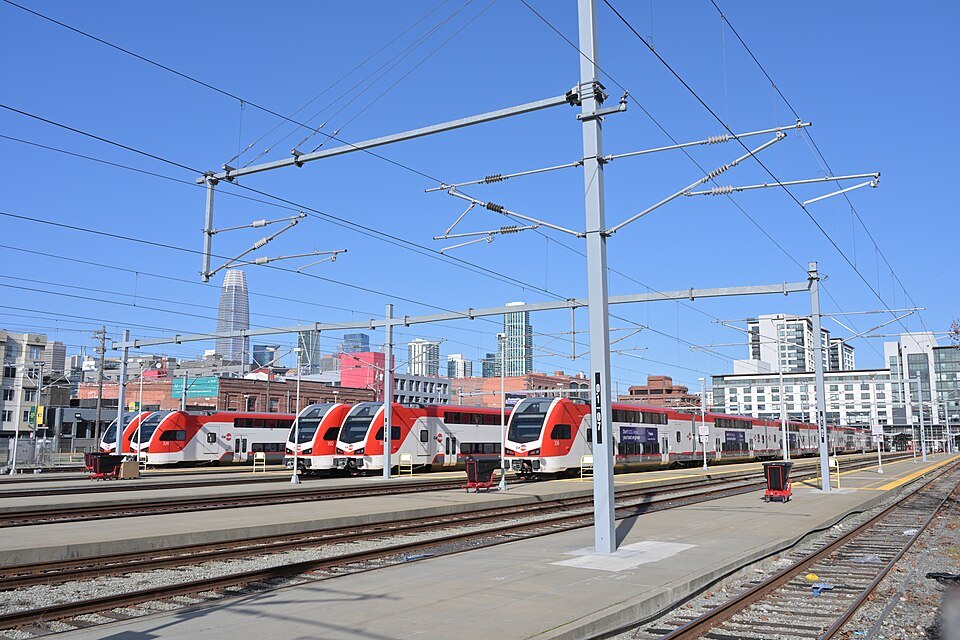
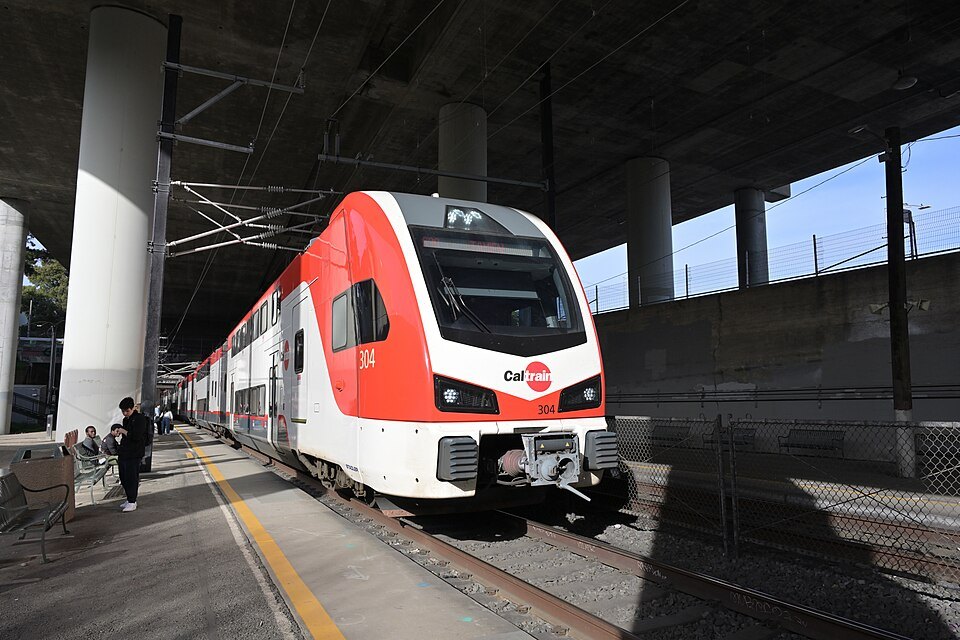
If you are heading south, to Palo Alto or San Jose, take BART one stop to Millbrae, where it meets Caltrain, the commuter railroad of the Peninsula. Caltrain also runs north into San Francisco, ending at Fourth and King streets near the ballpark in SoMa, which can suit a hotel in that part of the city, though BART is the more direct ride from the airport.
If you land at Oakland
Some flights, including many on Southwest Airlines, use Oakland San Francisco Bay Airport, twelve miles east of the city across the bay. From its terminal, the Oakland Airport Connector, a short automated line, runs to Coliseum station on the main BART line, where you change to a train through the Transbay Tube to Market Street. It takes longer than the ride from SFO, but it is just as simple: one change, one fare. See getting here for the other ways into the city.
More from the journal
- The Cable CarsHow do you ride the cable cars in San Francisco?The three lines and where they go, where to board to skip the longest queue, how to pay before you ride, how to stand on the running board safely, and what to see at the Cable Car Museum.Read the piece
- When to ComeWhy is San Francisco so cold and foggy in summer?How the cold Pacific, the hot inland valleys and the gap of the Golden Gate make San Francisco's summer fog, why it comes and goes each day, where in the city it is thinnest, and how to plan around it.Read the piece
- The Golden Gate Bridge and Fort PointCan you walk across the Golden Gate Bridge?Yes, on the eastern walkway, which faces the city. Which walkway is for whom, how long the crossing is, where to start and finish, what to wear for the wind, and what to look for on the way.Read the piece