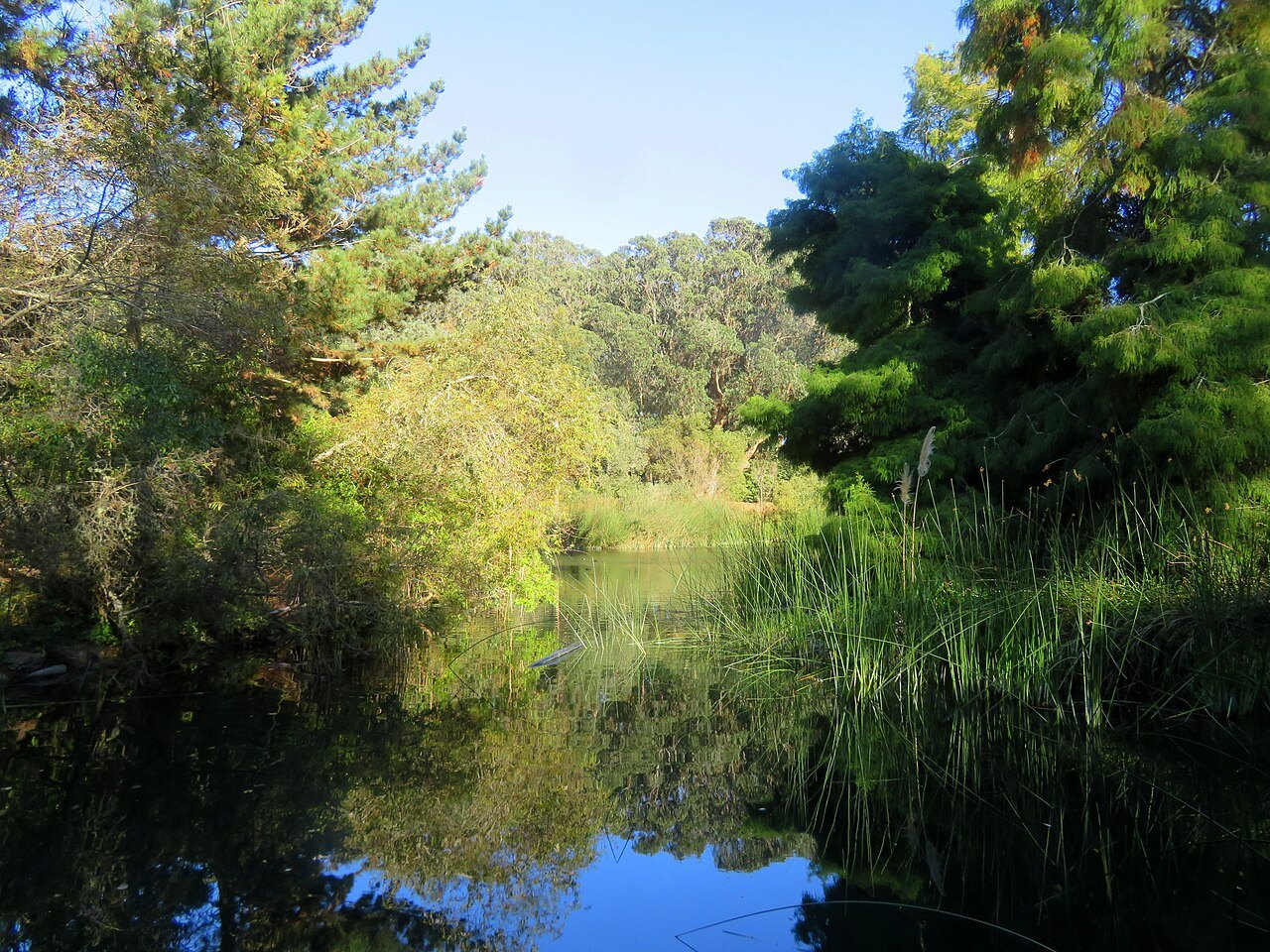
How do you visit the Japanese Tea Garden in Golden Gate Park?
A practical guide to visiting the Japanese Tea Garden in Golden Gate Park, its history and how to time the trip.
Read on
A quiet garden beside the Music Concourse
The Japanese Tea Garden sits beside the de Young Museum on the Music Concourse, the sunken plaza at the heart of Golden Gate Park. It began as a Japanese Village exhibit built for the California Midwinter International Exposition of 1894, one of the few structures from that fair to last. It is the oldest public Japanese garden in the country, a small, enclosed world of stepping-stone paths and clipped trees set apart from the park's open lawns and woods.
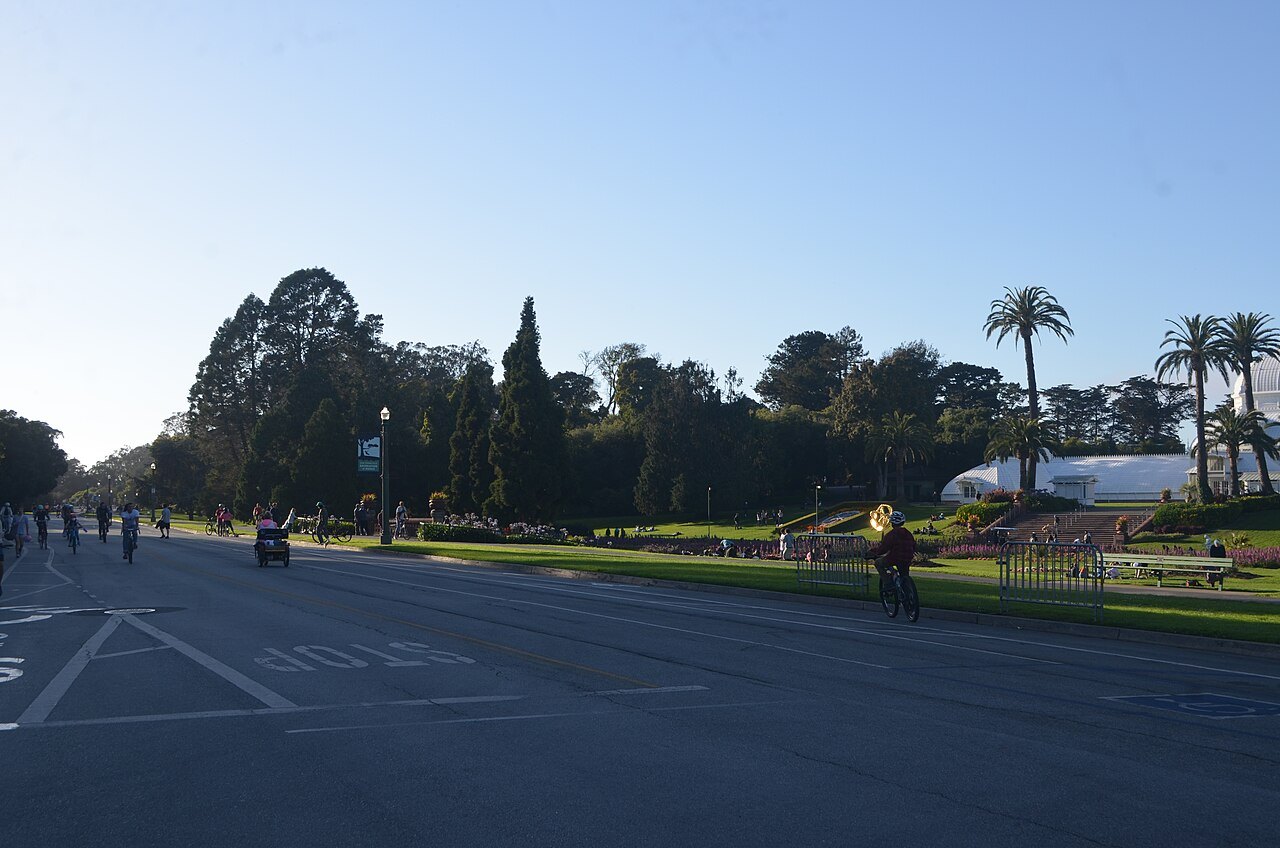
Inside, narrow paths wind past stone lanterns, a wooden pagoda, dwarf trees, bamboo groves and azaleas that bloom through the spring. An arched drum bridge, steep and built without railings in the traditional style, crosses a pond stocked with koi. The garden is small compared with the rest of the park, and most visitors plan to spend less than an hour here, though many linger longer.
Of the park's many gardens it is the most enclosed and sheltered, a contrast to the open lawns of the Music Concourse and the glass expanses of the Conservatory of Flowers at the park's eastern end. Its quiet, in a park with an estimated twenty-four million visitors a year, is part of the point.
The garden is often paired with the Music Concourse's museums rather than visited alone, but visitors who come only for the garden should still allow time to walk its full loop rather than cut through quickly on the way to the Academy of Sciences or the de Young Museum nearby.
The Hagiwara family and a hard history
After the 1894 exposition closed, the Japanese gardener Makoto Hagiwara took over the exhibit and turned it into a permanent garden, shaping its paths, planting its trees, and adding many of the features visitors see today. His family lived on site and tended the garden for decades, treating it as a long-term project rather than a fairground attraction.
That ended in 1942. Under Executive Order 9066, the Hagiwara family was evicted from the garden and sent to internment camps along with other Japanese Americans during the Second World War. For the rest of the war the garden was stripped of its name and run as the Oriental Tea Garden, a change still noted in accounts of its history.
The garden's current form, and its name, reflect a restoration of what the Hagiwara family built, after the wartime years that stripped both away. It remains one of the clearest places in the park to see how San Francisco's history runs through an ordinary landscape, not only through its monuments.
What to see inside
The paths are made of irregular stepping stones, set to slow visitors down and direct their eyes toward particular views: a lantern, a tree, a gap in the bamboo. Several stone lanterns stand along the route, along with a wooden pagoda that is one of the garden's most photographed features.
The arched drum bridge, steep and rounded into a half-circle, crosses a koi pond near the garden's center; its reflection in the water completes the circle, a design meant to be admired as much as crossed. Visitors unsteady on steps should look at it carefully before deciding whether to cross.
Dwarf trees, shaped over years of careful pruning, bamboo groves and azalea beds fill the spaces between the paths and the lanterns, changing with the seasons; the azaleas are at their most colorful in spring. The garden rewards slow walking rather than a quick pass through on the way to the museums.
Getting there and tickets
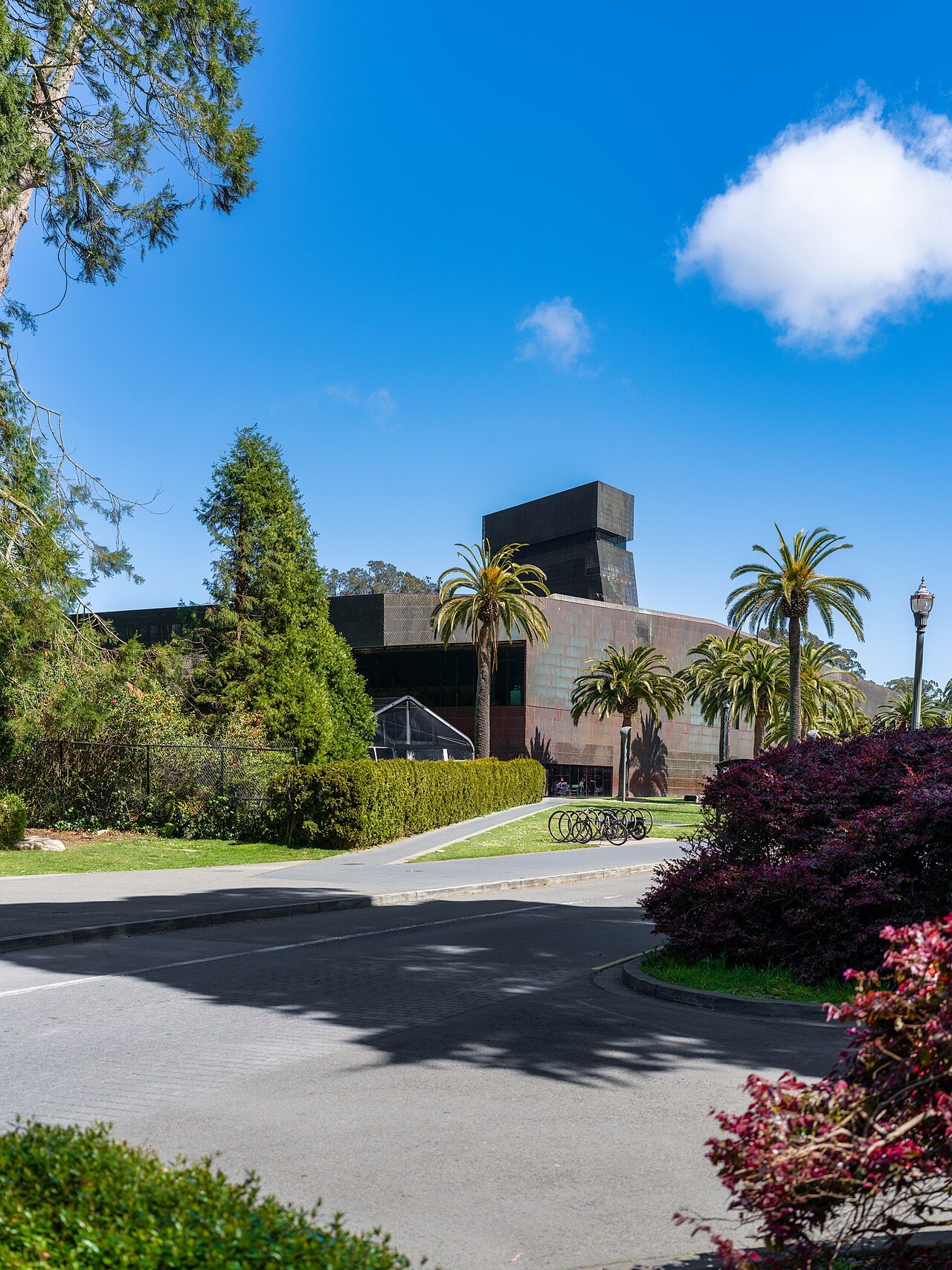
The Japanese Tea Garden sits on the Music Concourse, next to the de Young Museum and facing the California Academy of Sciences, which makes it easy to combine with a visit to either museum on the same day. The Music Concourse is the natural starting point for a day in the park.
The N Judah line of Muni Metro runs along the park's southern edge, and several bus lines cross the park or run along its sides, with stops close to the Music Concourse; see getting around for routes and stops serving the de Young Museum and the California Academy of Sciences.
The Tea Garden charges admission and sets its own ticketing, separately from the de Young and the Academy of Sciences, and the arrangements can change over time. Visitors who want to be sure of visiting on a particular day should check directly with the garden before arriving; see booking ahead for how reservations across the park's sights generally work.
Timing your visit
The eastern end of Golden Gate Park, where the Music Concourse and the Tea Garden sit, tends to be sunnier and warmer than the park's foggy western stretches near the ocean, which makes it a reasonable choice on a cool or overcast day. San Francisco's weather can shift sharply between the park's two ends within the same afternoon.
A clear morning is generally the best time to see the garden's lanterns and bridge without long shadows or heavy crowds later in the day. The garden is compact enough to see properly within an hour, which makes it easy to fit before or after a longer visit to the de Young or the Academy of Sciences.

Because the garden, the de Young and the Academy of Sciences each set their own hours and ticketing, and these can change, it is worth checking all three directly before building a day around them, particularly if a single visit is planned around one specific exhibition or seasonal event at either museum.
Nearby in the park and beyond
Within a short walk of the Tea Garden are the San Francisco Botanical Garden, the Rose Garden and the Shakespeare Garden, three more planted gardens that make the Music Concourse area the densest cluster of sights in the park. The Conservatory of Flowers, a Victorian greenhouse opened in 1879, stands at the park's eastern end.
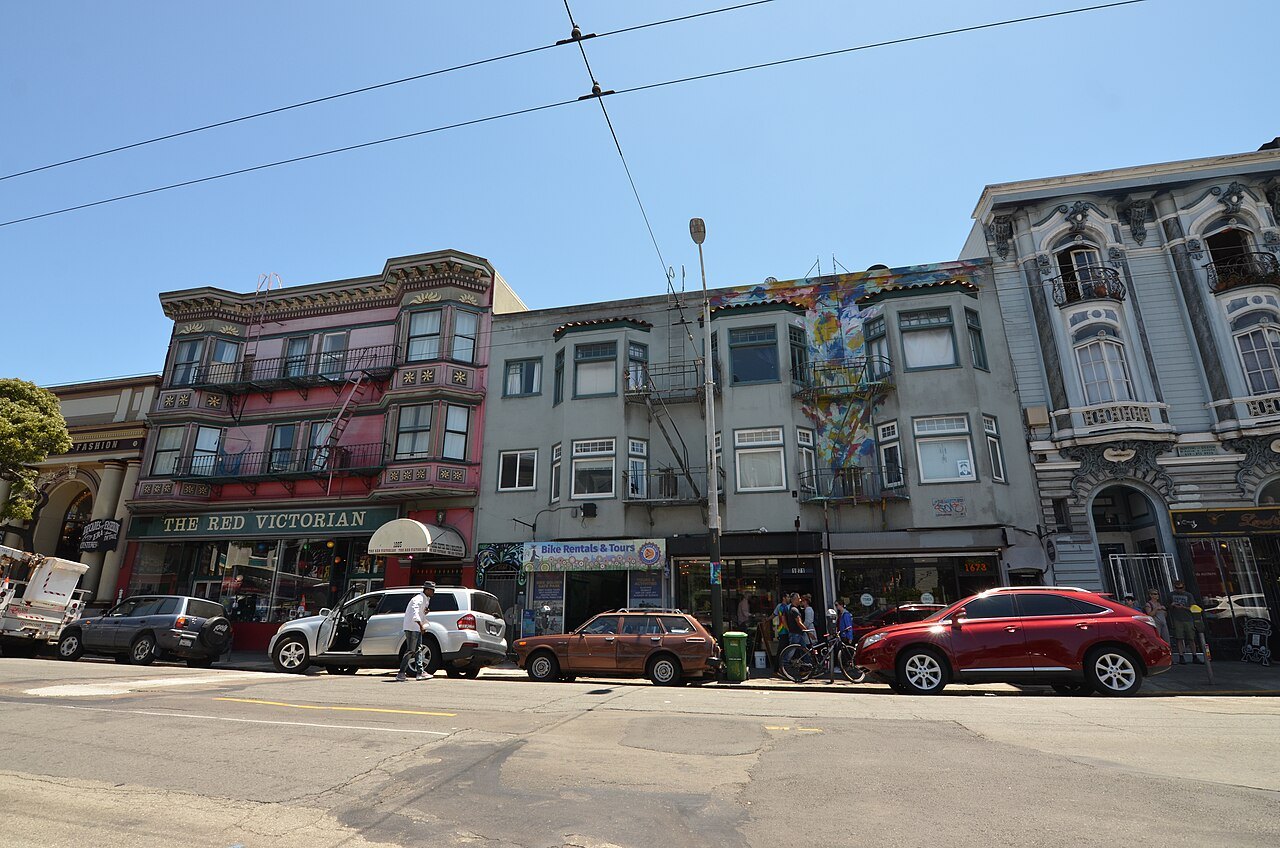
The park's eastern edge is close to Haight-Ashbury, an easy walk or a short transit ride from the Music Concourse, for visitors who want to combine a visit to the garden with the neighborhood's Victorian streets on the same day. Hippie Hill, at the Haight end of the park, is part of the same walk.
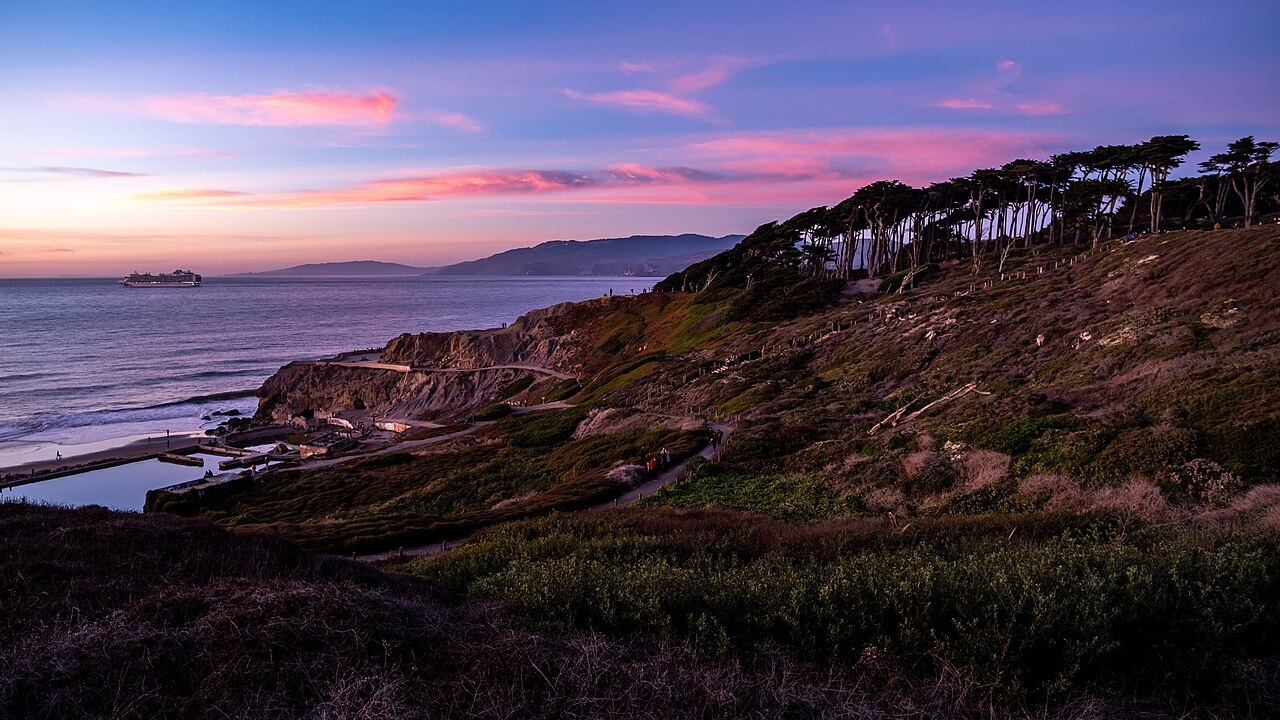
Further west in the park, past Blue Heron Lake, the Strawberry Hill island and the Bison Paddock, Ocean Beach and Lands End lie beyond the old windmills, a longer walk or ride for visitors with more time to cover the park's full three-mile length in a single day of walking.
Since 2022, the eastern stretch of John F. Kennedy Drive through the park has been permanently car-free, a promenade for walking and cycling that links the Music Concourse, the gardens and the lakes further west, making it easy to continue on foot or by bike after visiting the Tea Garden.
More from the journal
- Golden Gate ParkWhat is there to see in Golden Gate Park in a single day?A practical plan for spending a single day among Golden Gate Park's museums, gardens, lakes and windmills.Read the piece
- When to ComeWhy is San Francisco so cold and foggy in summer?How the cold Pacific, the hot inland valleys and the gap of the Golden Gate make San Francisco's summer fog, why it comes and goes each day, where in the city it is thinnest, and how to plan around it.Read the piece
- The Golden Gate Bridge and Fort PointCan you walk across the Golden Gate Bridge?Yes, on the eastern walkway, which faces the city. Which walkway is for whom, how long the crossing is, where to start and finish, what to wear for the wind, and what to look for on the way.Read the piece