What historic ships can you board at the Hyde Street Pier?
A guide to the historic sailing ships, ferries and tugs moored at the Hyde Street Pier in San Francisco.
Read on
A working harbor preserved
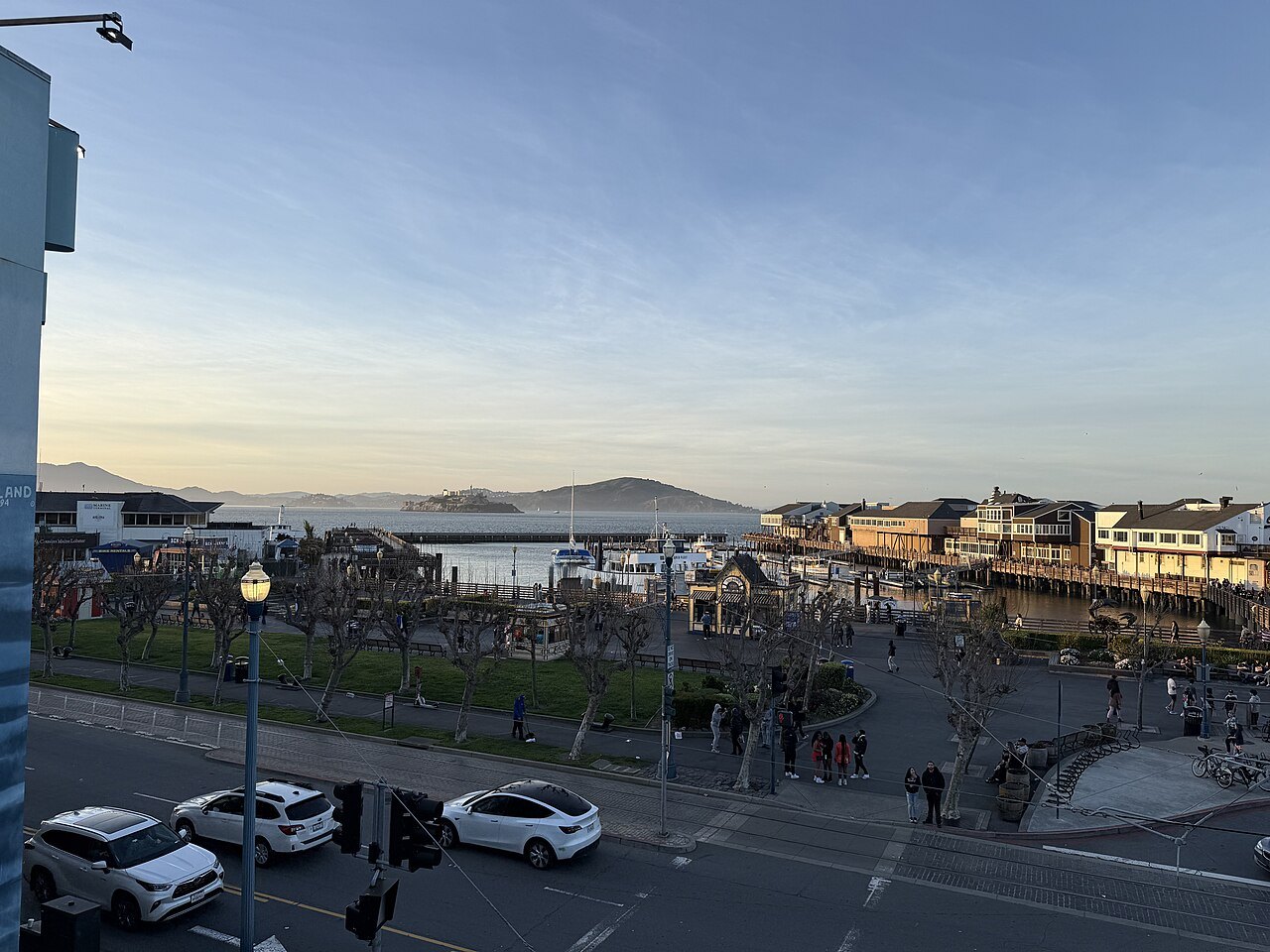
At the western end of Fisherman's Wharf and the Hyde Street Pier, the San Francisco Maritime National Historical Park keeps a small fleet of historic vessels moored along the Hyde Street Pier. Unlike the shops and arcades further east, this stretch of the waterfront is set aside to show what the working harbor of a century ago looked like, with real cargo ships, ferries and a steam tug tied up along the wooden pier itself.
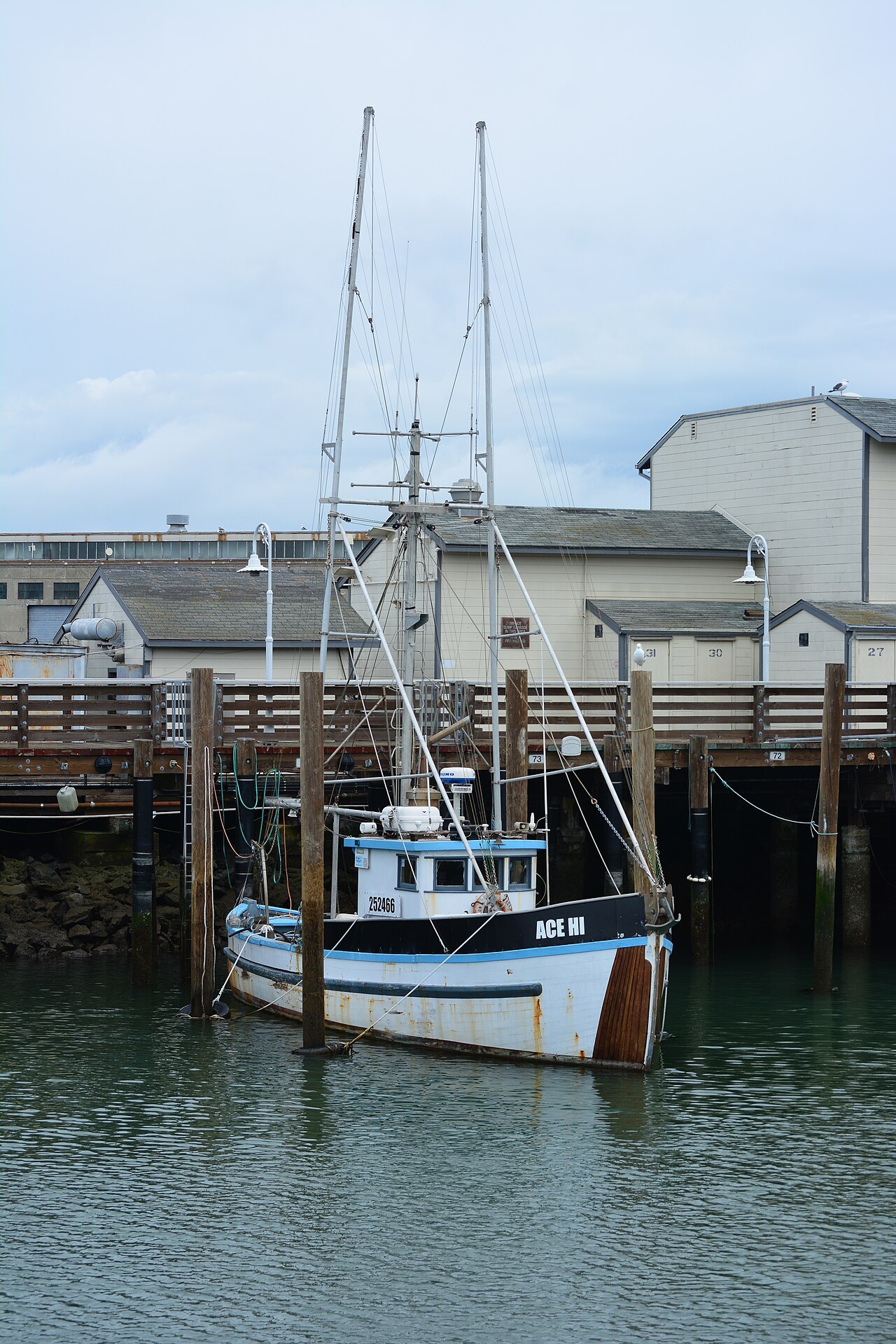
Walking the pier takes a visitor past each vessel in turn, and several can be boarded and walked through, giving a sense of cramped crew quarters, cargo holds and engine rooms that no photograph quite conveys. Because access to individual decks and cabins can change with maintenance and staffing, check with the park service on-site or in advance for which ships can be boarded on the day of a visit.
The pier rewards an unhurried walk rather than a quick glance from the street. Allow enough time to read the small signs at each berth, since they explain what each ship carried, where it sailed and how it ended up preserved here rather than scrapped, which is the fate that met most vessels of its kind.
The Balclutha and the C.A. Thayer
The best known ship at the pier is the Balclutha, a square-rigged sailing ship built in 1886. Ships of this type carried bulk cargo around Cape Horn between Europe and the Pacific coast in the days before the Panama Canal shortened the route, and the Balclutha's full rigging and steel hull give a sense of the scale such voyages required.
Alongside her is the C.A. Thayer, a wooden schooner built in 1895. Schooners like the Thayer worked the Pacific coast trade rather than crossing oceans, carrying lumber from the forests of the Northwest to the building sites of a growing San Francisco, and her simpler rig makes a useful contrast with the Balclutha's.
Both ships are the kind of vessel that once filled this stretch of waterfront by the dozen before the fishing and lumber trades declined and the harbor moved to larger, steel-hulled ships elsewhere in the bay. Seeing them side by side at the same pier makes that shift in scale easy to grasp without any specialist knowledge of sailing.
The ferry, the schooner and the tug
The Eureka is a steam ferryboat built in 1890, one of the vessels that once carried commuters and their cars across the bay before the Golden Gate and Bay bridges made such crossings unnecessary. Her broad, flat deck shows how many vehicles a single ferry run could carry in the decades before the bridges opened.
The Alma is a scow schooner of 1891, a flat-bottomed sailing vessel built to carry bulk goods such as hay and bricks into the shallow sloughs and inlets around the bay rather than to cross open ocean. Scow schooners like her were once common on the bay but are rare survivors today.
The steam tug Hercules, built in 1907, completes the fleet. Tugs like her towed the sailing ships through the Golden Gate and around the bay when wind and tide made it impractical to sail unassisted, and her squat, powerful hull is a useful reminder that sail and steam worked side by side here for decades.
The visitor center and the library
The park's visitor center occupies a brick warehouse built in 1909 at the corner of Hyde and Jefferson streets, close to where the ships are moored. Its exhibits include a large Fresnel lighthouse lens, the kind that once guided ships safely through the fog at the Golden Gate, along with displays on the working harbor the ships once belonged to.
Behind the exhibits the park also keeps a research library on ships and the sea, which has grown since 1951 from a single closet under a staircase into one of the largest such collections on the Pacific Coast. It is a resource mainly for researchers rather than casual visitors, but the visitor center staff can advise on access.
Because opening patterns for the visitor center, the library and the ships themselves can vary through the week and the season, visitors planning a trip around the pier should check current details directly with the San Francisco Maritime National Historical Park before arriving.
Aquatic Park next door
Between the visitor center and the Maritime Museum lie the lawns and small beach of Aquatic Park, the quietest corner of the whole waterfront. It makes a natural place to sit after walking the length of the pier, with views back across the water to the moored ships and out toward the bay beyond them.
The Maritime Museum itself stands on the curve of the park, a white Streamline Moderne building shaped like an ocean liner, built in 1939 by the WPA as a public bathhouse and still carrying decorated interiors from that period. It is a short, level walk from the Hyde Street Pier and worth combining with a visit to the ships.
Just uphill from the park is Ghirardelli Square, a block of brick buildings bought by Domenico Ghirardelli in 1893 for his chocolate company's headquarters and reopened as shops and restaurants in 1964 after the company moved out. It sits within easy walking distance of the pier for anyone continuing uphill afterward.
How to get there and what to allow
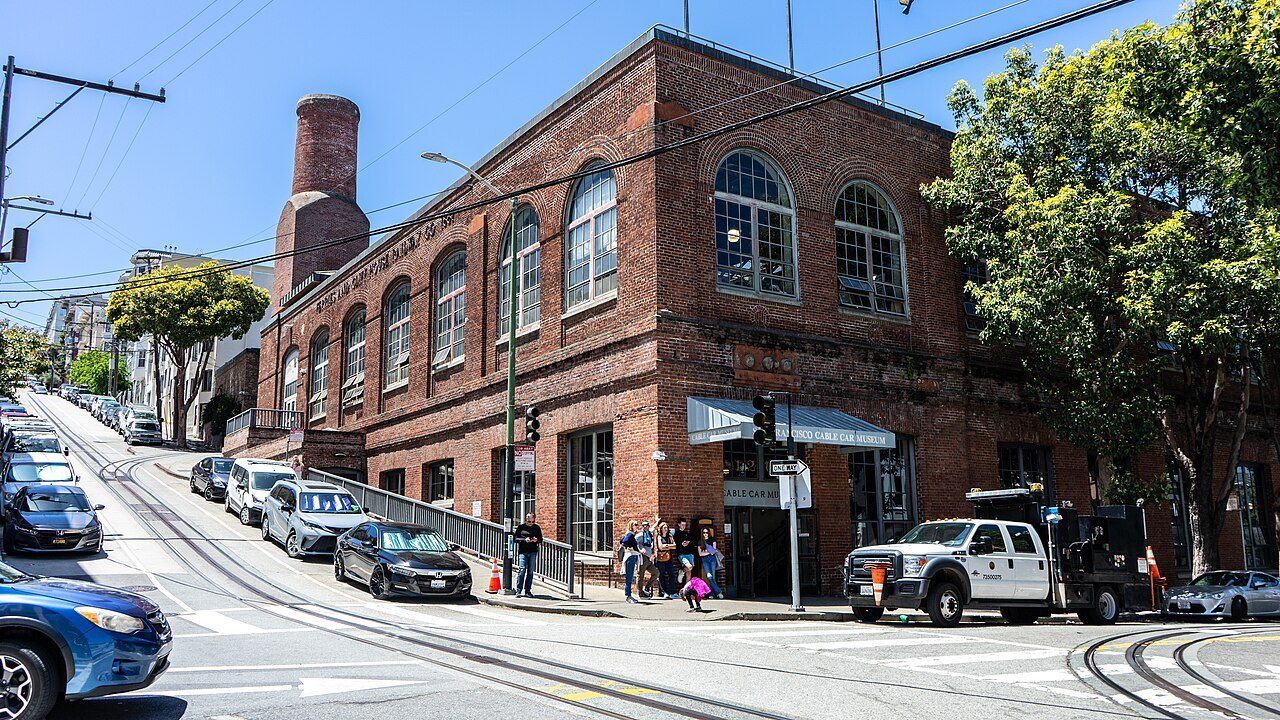
The The Cable Cars Powell–Hyde line ends at Hyde and Beach streets, within a short walk of both Aquatic Park and the Hyde Street Pier, which makes it the simplest way to arrive without a car. The F-line streetcar along the Embarcadero is another option, reaching the Wharf from the eastern end of the waterfront.
Walking the ships thoroughly, reading the signage and stopping at the visitor center takes most visitors a good hour, longer if combined with the Maritime Museum and a rest at Aquatic Park. Early morning tends to be quieter than the middle of the day, when the wider Wharf fills with visitors drawn by the shops and the sea lions.
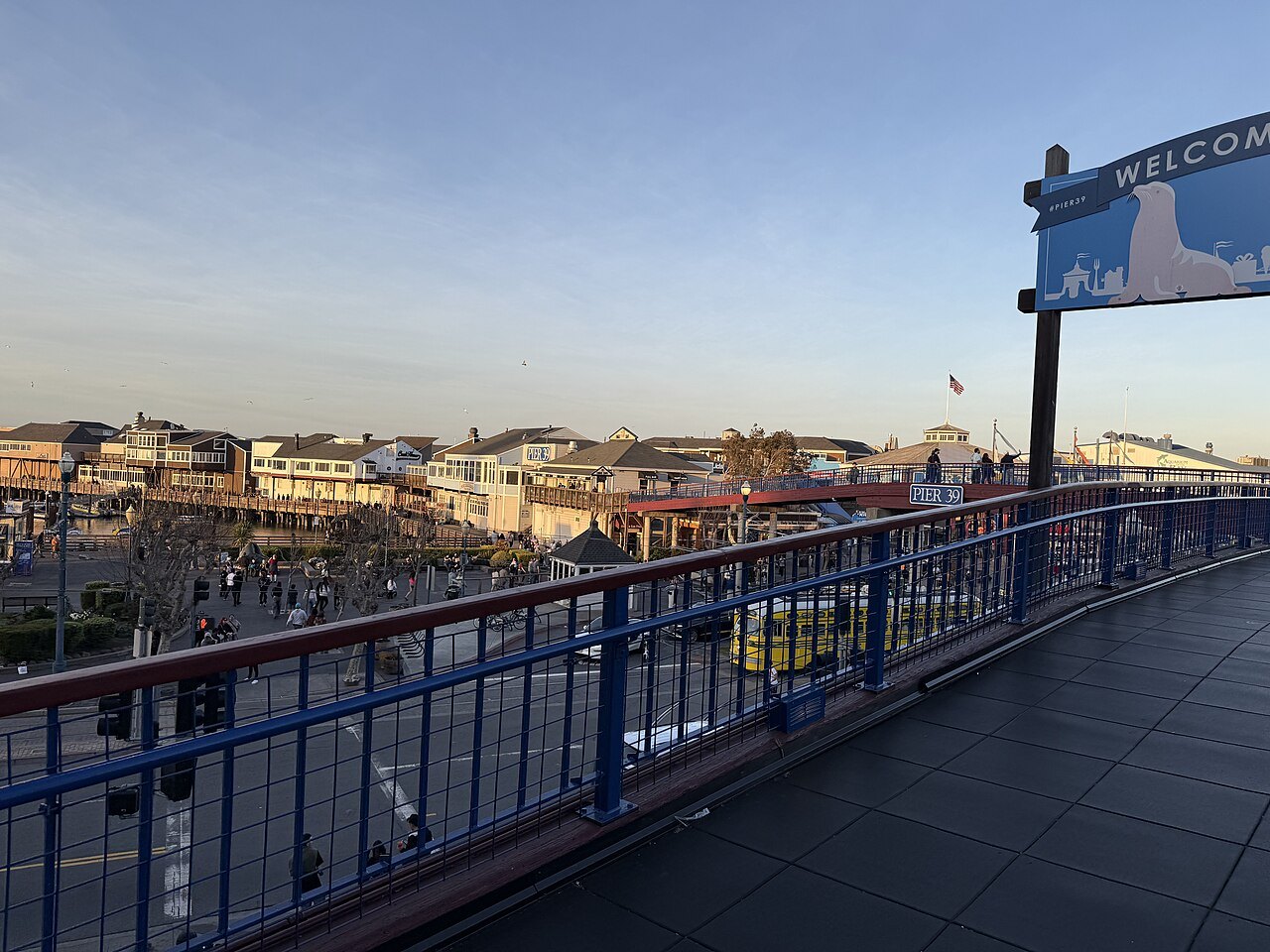
For a longer day on the waterfront, the pier combines naturally with the rest of Fisherman's Wharf and the Hyde Street Pier, including the sea lions at Pier 39 and the submarine USS Pampanito near Pier 45. Visitors heading on to Alcatraz afterward should note that the ferries for the island leave from Pier 33, a short walk east along the Embarcadero.
More from the journal
- The SightsWhat survives of the 1906 earthquake in San Francisco?The earthquake and fire of April 1906 destroyed most of the city. Here is what came through, what was rebuilt in its place, and where you can still see the traces, from Mission Dolores to the Portals of the Past.Read the piece
- The Cable CarsHow do you ride the cable cars in San Francisco?The three lines and where they go, where to board to skip the longest queue, how to pay before you ride, how to stand on the running board safely, and what to see at the Cable Car Museum.Read the piece
- AlcatrazHow do you plan a visit to Alcatraz?Who sells the only tickets, how to reach Pier 33, day or evening visit, how long to allow, the climb to the cellhouse and the accessible tram, what to bring, and what to see once you land.Read the piece