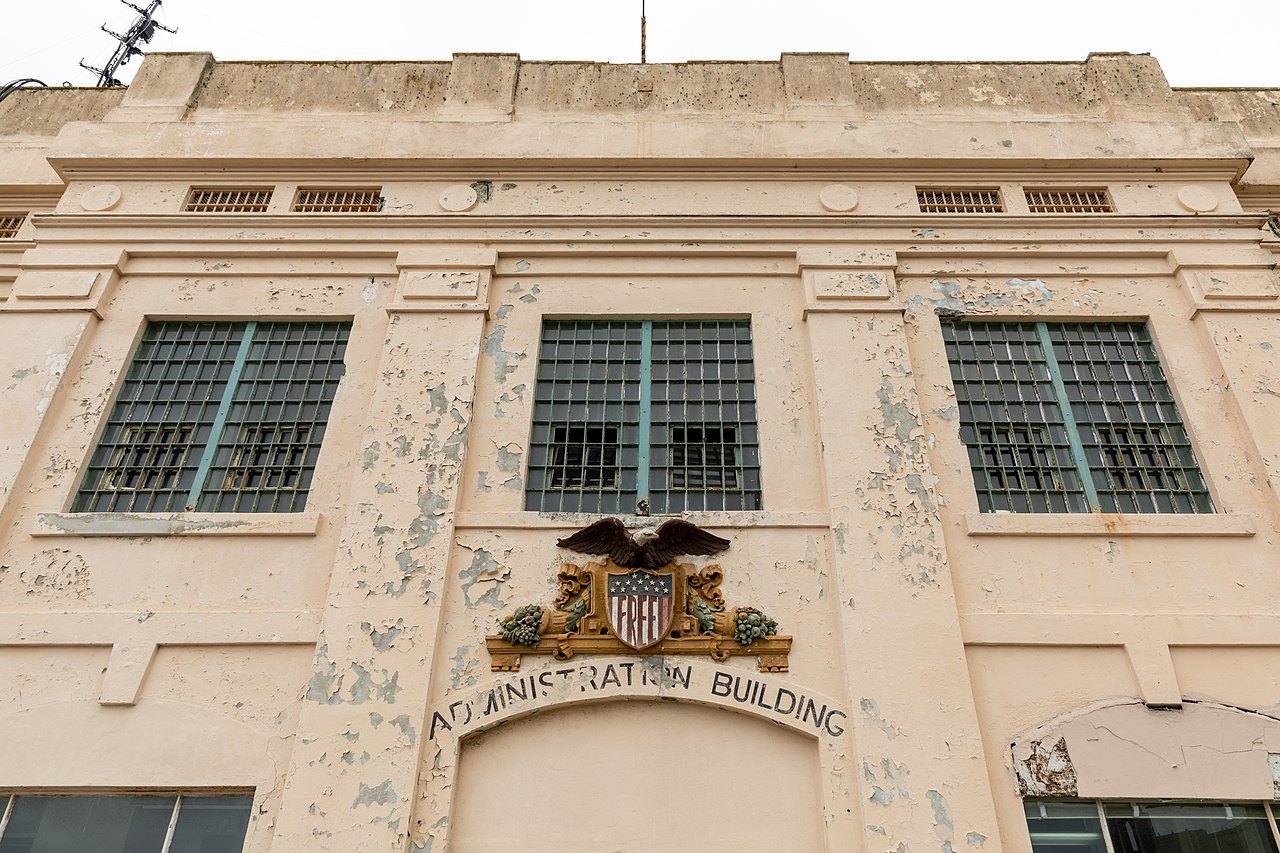
How do you plan a visit to Alcatraz?
Who sells the only tickets, how to reach Pier 33, day or evening visit, how long to allow, the climb to the cellhouse and the accessible tram, what to bring, and what to see once you land.
Read on
The short answer
Book early, and book with the right company. All access to Alcatraz is through one private ferry company under contract with the National Park Service, Alcatraz City Cruises, and its boats leave from Alcatraz Landing at Pier 33 on the Embarcadero, between the Ferry Building and Fisherman's Wharf. The cellhouse audio tour is included with the ferry ticket. Allow at least two to three hours on the island, eat before you go, bring a warm layer, and take the F-line streetcar to the pier rather than driving.

Everything else follows from those few facts. Here is how the visit works, from the pier to the top of the rock.
Buying tickets
The Park Service says it plainly: the most important thing to know when planning a trip is that every visit goes through its contracted ferry company. Buy from that company directly, on its own website, as early as your plans allow; see booking ahead. Other sellers may offer packages, and harbor cruises that circle the island without landing are a different product altogether, so read carefully what you are buying.
If you are visiting in summer or at a holiday, book before you fix the rest of your itinerary, and build the other days around the Alcatraz day rather than the other way round. The park also offers complimentary tickets through special community and youth programs, described on its own website.
Day or evening
There are two ways to see the island. The day visit lets you explore on your own: once you land you can stay as long as you wish, and ferries return to the city regularly through the day, so you can take any one back.
The evening program is more guided. The ferry circles the island with live narration on the way out, and on the island there are special tours, talks and demonstrations of the cell doors. Some areas that visitors can see by day are kept off-limits in the evening for safety, so the evening program shows less of the island but more of its stories. If you like to wander, choose the day; if you would rather be guided, choose the evening.
Getting to Pier 33
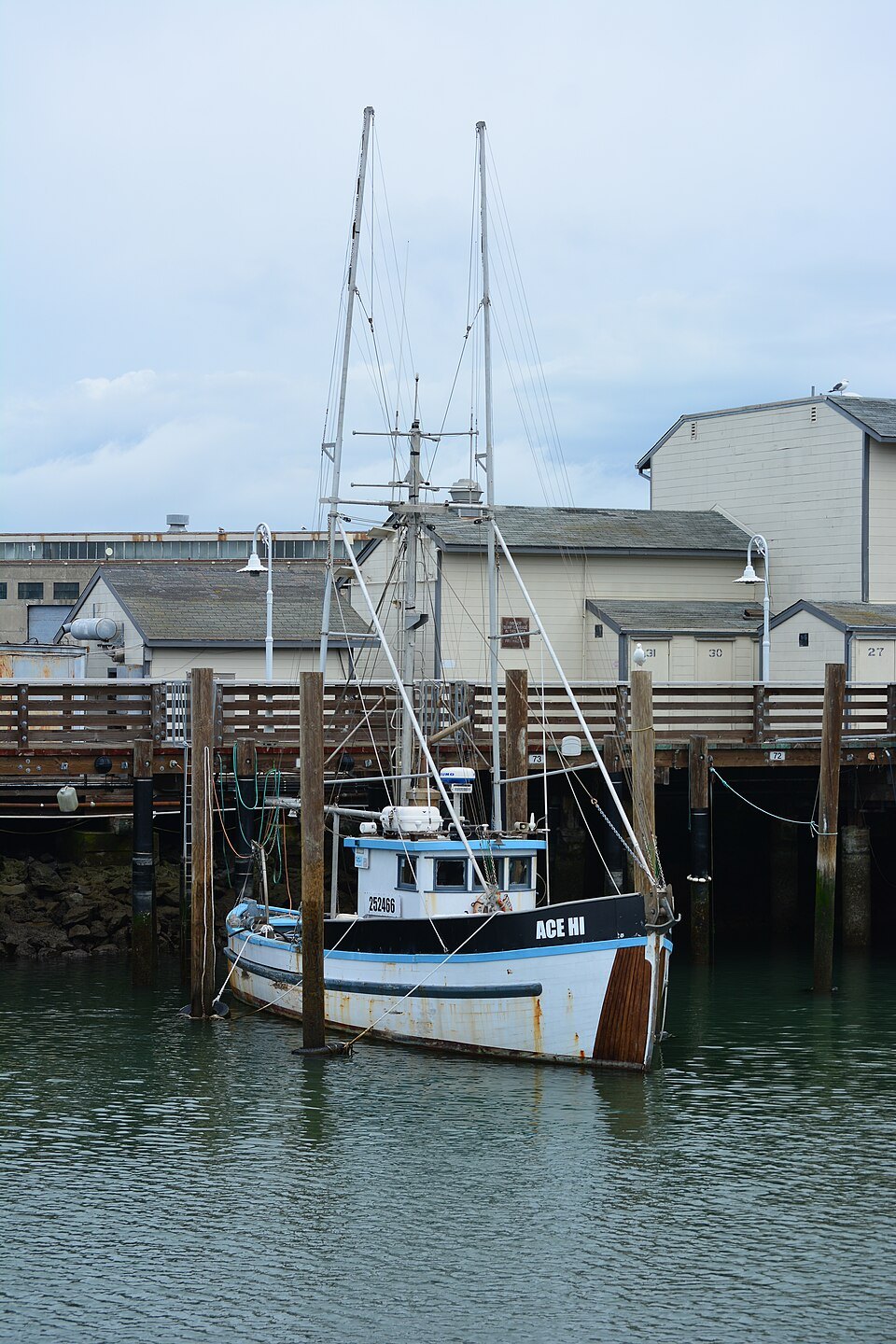
The park strongly recommends public transit. Pier 33 is on the Embarcadero just south of Bay Street, and the historic F-line streetcars run right past Alcatraz Landing; see getting around. Street parking around Fisherman's Wharf is hard to find, and most meters are time-limited and will not allow enough time for a visit; there are commercial parking lots within a few blocks. Remember that a car left on the street here is a target for break-ins, so leave nothing in it; see street sense.
Alcatraz Landing is fully accessible, and a few accessible parking spaces at the pier are held, first come, first served, for drivers who show a disabled placard. Arrive early enough to find the right boat.
The crossing and the dock
The crossing is short, about a mile and a quarter, but it is on open water close to the Golden Gate, and the wind can be sharp. On the way, a safety and introduction video plays on the boat's screens, with American Sign Language. On landing, a ranger gives a brief orientation on the dock, with news of any special programs that day.

Building 64, the old barracks above the dock that later housed the families of prison staff, has a theater, exhibits and a bookstore. There is no food on the island beyond dry snacks and candy from the bookstore, so eat before you board.
The climb to the cellhouse
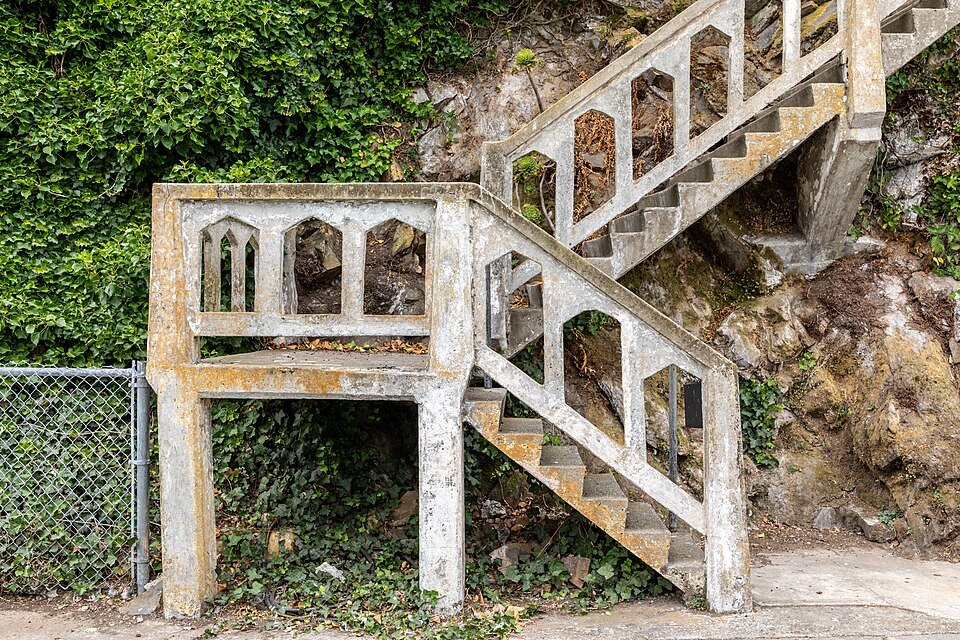
The cellhouse is at the top of the island. From the dock it is about a quarter of a mile by road, with a rise of 130 feet, which the park compares to climbing a thirteen-story building. Most of the roads and paths on the island are very steep, and some areas have uneven concrete and steps.
For visitors with limited mobility, the park runs an accessible tram, known as SEAT, from the dock to the cellhouse; it waits to the left as you come off the boat, beside the dock's accessible restroom. Wear walking shoes with grip; the park advises against sandals, leather soles, high heels and open toes. See the hills.
Inside the cellhouse

The cellhouse audio tour is the heart of the visit, and it is included with the ticket. It leads you down the main corridor the prisoners called Broadway, past the three-tiered cell blocks, the dining hall, the library and the isolation cells of D Block, telling the stories of the men held there, among them Al Capone, Machine Gun Kelly and Robert Stroud. The tour is available in American Sign Language on a handheld device and in written form, and assistive listening devices for the ranger tours can be requested at the Pier 33 ticket booth.
Look for the cells from which Frank Morris and the brothers John and Clarence Anglin escaped in June 1962, digging out through the ventilation ducts and leaving dummy heads in their beds; they were never found. Rangers give talks and programs every day, which change with the season and the staff; the orientation on the dock tells you what is on.
Beyond the prison
Leave time for the rest of the island. The Recreation Yard, the lighthouse, the ruins of the Warden's House and the Parade Ground, with its views of the city skyline, are all outside the cellhouse. The Water Tower still carries the painted slogans of the Native American occupation of 1969 to 1971, which lasted nineteen months and changed federal policy. Gulls, cormorants and egrets nest around the edges of the island. See Alcatraz for the island's full history.
What to bring
A light jacket or sweater whatever the forecast, because the weather on the island is unpredictable and changes quickly; rain gear in the wet winter months; shoes with grip; water; and something to eat before or after, since there is no food on the island. Dress in layers: it is often colder on the water and on the rock than it is at the pier, as on the Golden Gate Bridge.
More from the journal
- The Golden Gate Bridge and Fort PointCan you walk across the Golden Gate Bridge?Yes, on the eastern walkway, which faces the city. Which walkway is for whom, how long the crossing is, where to start and finish, what to wear for the wind, and what to look for on the way.Read the piece
- Getting HereHow do you get from SFO to downtown San Francisco?BART from the terminal to Market Street, the free AirTrain that links the gates to the station, how to pay, and when a taxi, ride-hail or Caltrain makes more sense.Read the piece
- The Cable CarsHow do you ride the cable cars in San Francisco?The three lines and where they go, where to board to skip the longest queue, how to pay before you ride, how to stand on the running board safely, and what to see at the Cable Car Museum.Read the piece