Read on
Why dim sum is a Chinatown tradition
Dim sum is a Cantonese tradition, carried to San Francisco by the immigrants from the villages of the Pearl River Delta in Guangdong who built this Chinatown from the 1850s onward, drawn first by the Gold Rush and then by work on the transcontinental railroad. The small shared plates and the pot of tea that never empties trace directly back to the teahouses of that region, brought here along with language, family associations, temples and newspapers.
The practice survived everything the neighborhood went through: the Chinese Exclusion Act of 1882, the plague quarantine of 1900, and the fire that destroyed Chinatown completely in 1906. It survived because the community rebuilt around Grant Avenue and Stockton Street rather than moving on, as city officials had hoped, and kept its own customs, languages and temples intact even as the city around it changed. Eating dim sum here is one of the simplest ways to meet that history firsthand, one plate at a time.
San Francisco's Chinatown is the oldest in North America and one of the largest Chinese communities outside Asia, and its food culture reflects more than a century and a half of continuous settlement. The dishes served on Stockton Street and the side alleys were not invented for visitors; they are what the neighborhood eats on an ordinary morning, long before any tour group arrives.
Where to look
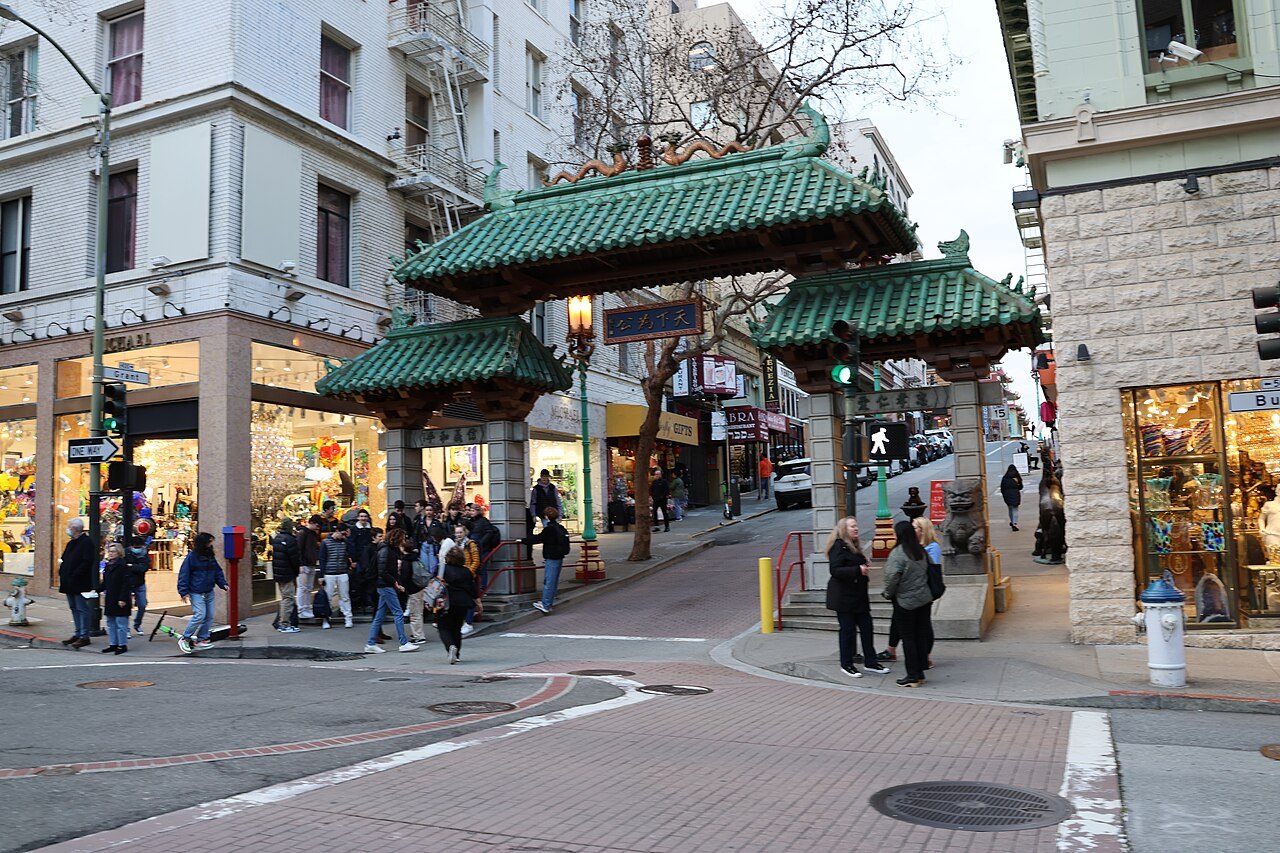
Grant Avenue, the street most visitors walk first, climbs gently north from the Dragon Gate under strings of lanterns, past shop after shop of tea, porcelain, silk and souvenirs, and a number of restaurants there serve dim sum largely to a visiting crowd. For a fuller sense of where Chinatown itself eats, head one block west to Stockton Street, where the daily business of the neighborhood actually happens.
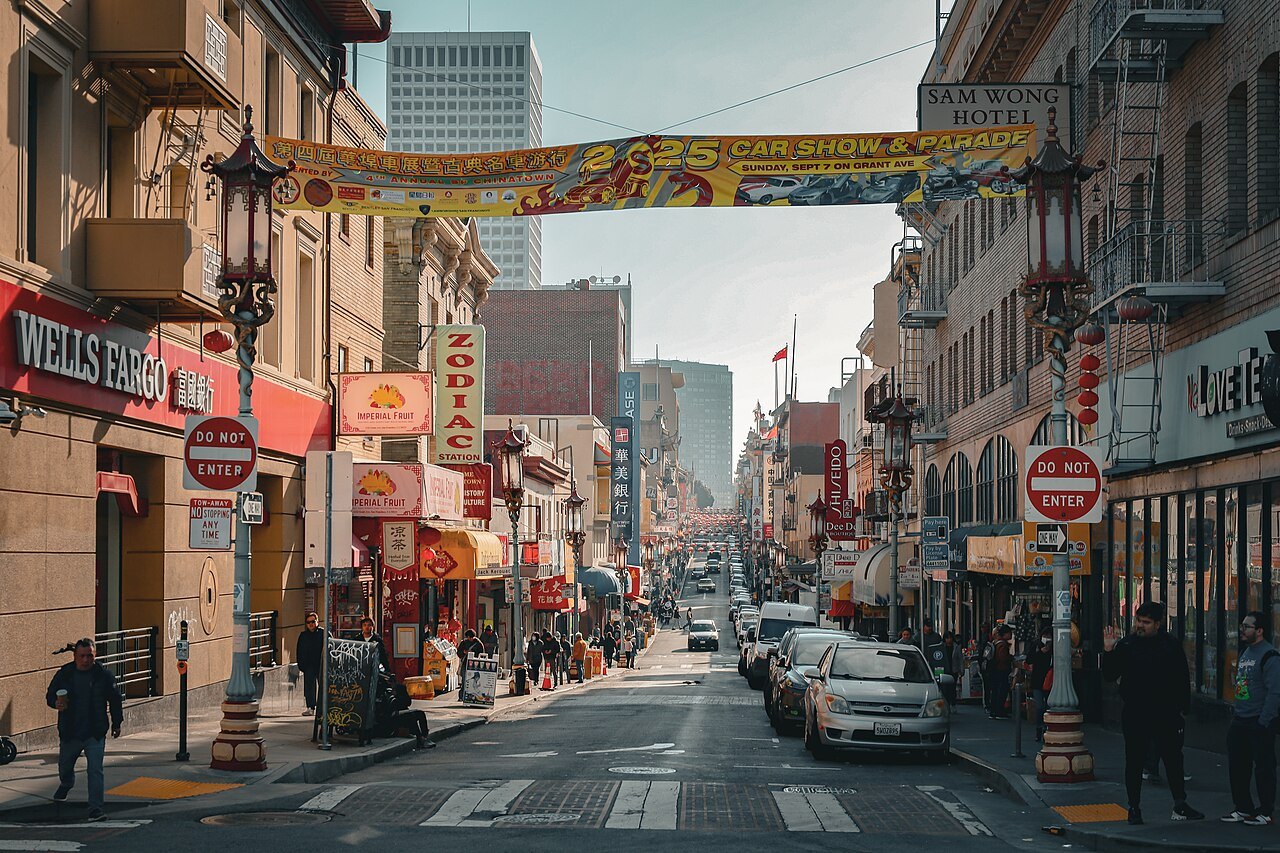
Stockton Street is where the neighborhood actually shops: crowded sidewalks, produce and live fish markets, bakeries and roast-meat counters, with signs mostly in Chinese and very little aimed at visitors. Dim sum houses and bakeries selling steamed buns and egg tarts sit among them, and mornings are the liveliest time to see the street at its busiest.
The narrow alleys between the two streets, especially Waverly Place with its painted association balconies, are worth wandering on the way between them. For specific restaurant names, what a typical dim sum menu offers and how the neighborhood's bakeries fit in, see eating and drinking, which covers the practical side of ordering a meal here.
How a dim sum meal works
Dim sum is served as a succession of small plates, traditionally wheeled past the tables on carts or, in many restaurants now, ordered from a paper checklist marked with the dish names and ticked off for the kitchen, with the sheet often kept at the table as a running tally of what has been ordered. Either method works the same way: order several dishes at once, rather than one course after another, and share everything across the table.
Tea is central to the meal: a pot is kept filled throughout, and diners usually choose the variety when they sit down. Dishes arrive in no particular order, and tables are expected to keep ordering a few plates at a time rather than requesting everything at once and waiting for it all to appear together. A traditional signal for more hot water is to leave the teapot's lid propped open rather than flagging down a server directly.
Because the format depends on sharing, dim sum works best with two or more people, though a solo diner is welcome to order a smaller selection. The exact mechanics — cart service, a checklist, or ordering directly from a server — vary from one restaurant to the next, so it is worth asking staff how a particular place works before ordering.
Timing a visit
Chinatown overall takes two or three hours to see properly, including a meal, and nothing in the neighborhood needs to be booked in advance. The same generally holds for dim sum: most restaurants seat walk-in diners, though larger or especially popular ones may prefer a reservation, which is worth confirming directly with the restaurant before setting out, especially for a weekend visit when demand is higher.
Mornings are the liveliest time on Stockton Street, when the markets are busiest and dim sum houses are serving a mostly local crowd rather than visitors. Arriving earlier in the day, rather than in the afternoon, gives a clearer sense of how the neighborhood actually eats, with carts and checklists moving fastest before the midday rush.
The Chinese New Year Festival and the Autumn Moon Festival, which fills Grant Avenue with food stalls, performances and mooncakes in mid-September, are the two busiest points in Chinatown's calendar and worth checking against any visit. Neither is strictly a dim sum occasion, but both are good reasons to combine a sit-down meal with the wider festivities on the street outside.
Getting there
Chinatown is a short walk from Union Square: head up Grant Avenue from Bush Street, and the shift from department stores to lanterns and tea shops happens within a couple of blocks. Most visitors enter through the Dragon Gate, a traditional pailou in the style used across Chinese cities, given to the district by the Republic of China in 1969.
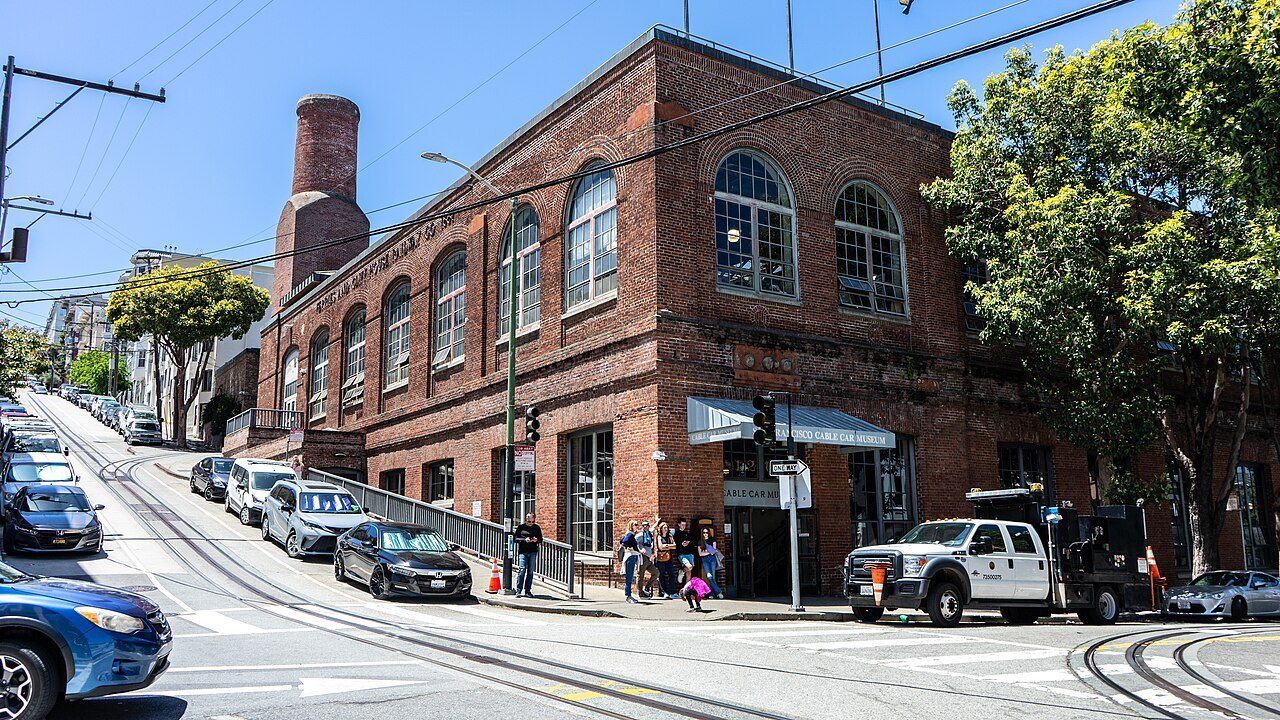
An alternative is the California Street cable car, which crosses Grant Avenue at Old St. Mary's church, right in the heart of the district and a short walk from Stockton Street. The cable car guide covers how the line works, where to board it, and what to check with the operator about the current route and any changes to the service.
The streets rise gently from Kearny Street toward Powell Street and steeply toward the top of the district; the hills page gives the gradients, which is worth checking before combining a dim sum stop with a longer walk further uphill or back down toward Portsmouth Square, the district's own open space.
Respect for a living neighborhood
Chinatown is, by the city's own planning department, the most densely populated urban area west of Manhattan, and many residents are elderly and speak Cantonese or other Chinese languages rather than English. A dim sum meal here is a visit to someone else's neighborhood, not a themed attraction built for visitors, and is best treated that way throughout, from the sidewalk markets to the dim sum table itself.
That courtesy extends to the markets and bakeries on Stockton Street as much as to the temples and family association buildings nearby: move at the street's own pace, keep noise down in doorways and alleys, and do not expect a busy dim sum restaurant to slow its kitchen for photographs during a crowded morning service.
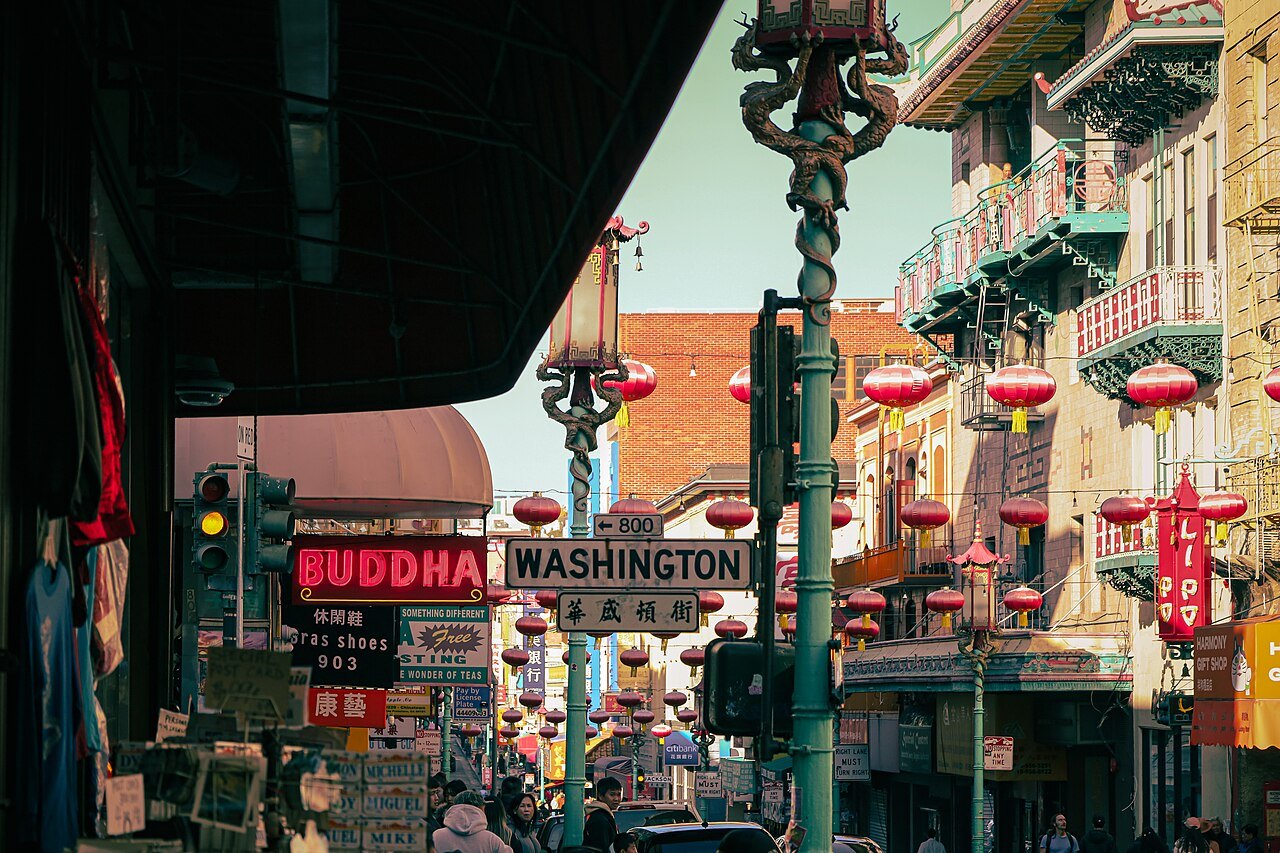
Grant Avenue's lanterns and pagoda roofs, including the Sing Chong and Sing Fat buildings at California Street, were designed after the 1906 fire specifically to draw visitors back, and remain the image most people carry away of Chinatown. The food cooked daily on Stockton Street, for the neighborhood rather than for visitors, is the other, quieter half of the picture.
More from the journal
- ChinatownWhat is the history behind San Francisco's Chinatown?The story of exclusion, disaster and a defiant rebuilding behind San Francisco's Chinatown, the oldest in North America.Read the piece
- The Cable CarsHow do you ride the cable cars in San Francisco?The three lines and where they go, where to board to skip the longest queue, how to pay before you ride, how to stand on the running board safely, and what to see at the Cable Car Museum.Read the piece
- The SightsWhat survives of the 1906 earthquake in San Francisco?The earthquake and fire of April 1906 destroyed most of the city. Here is what came through, what was rebuilt in its place, and where you can still see the traces, from Mission Dolores to the Portals of the Past.Read the piece