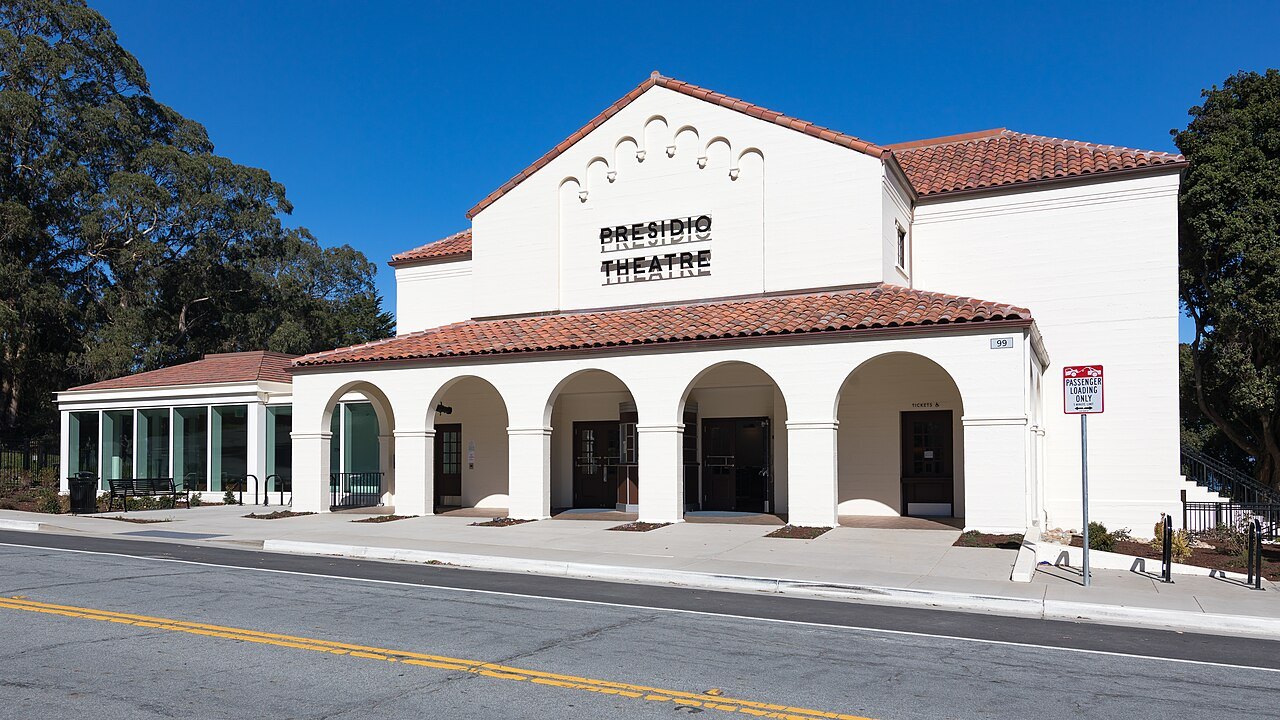
What can you do at the Presidio's Tunnel Tops and Crissy Field?
A guide to the Presidio's bayside park and restored shoreline, from Tunnel Tops down to Crissy Field and the Wave Organ.
Read on
A shoreline shaped by sea and air
Long before the Spanish arrived, Crissy Field was a salt marsh and estuary along the bay shore, where the Ohlone gathered shellfish and fish. It sat at the edge of what became the Presidio, where tidal water once reached far inland before meeting the forested bluffs that still rise above the bay today.
The marsh was filled in during the 1870s and reshaped again for the Panama-Pacific International Exposition of 1915, held next door at what is now the Marina district. The Army then turned the site into an airfield, and the first aerial forest-fire patrols in the American West took off from its runways, linking Crissy Field to the wider defense of the state's forests.
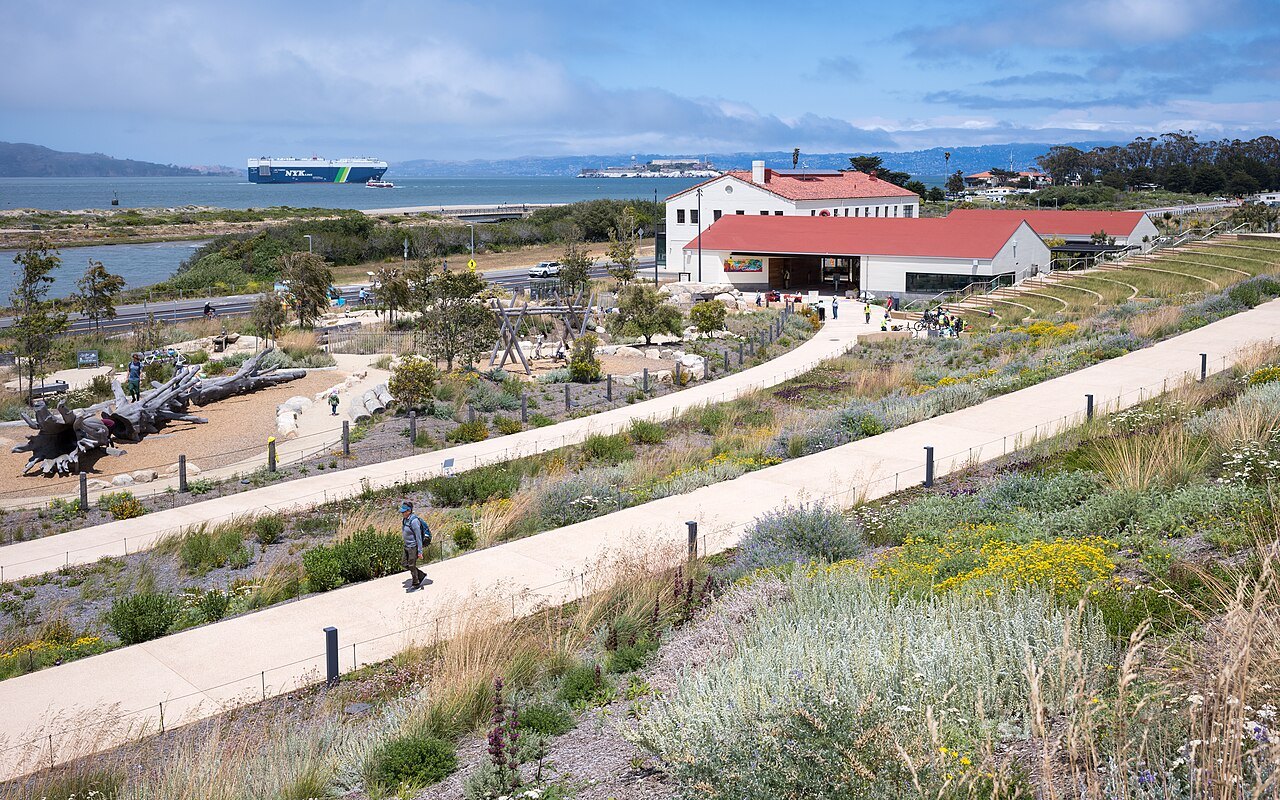
The airfield closed after 1974, and from 1994 the National Park Service and the Golden Gate National Parks Conservancy restored the shoreline, rebuilding the tidal marsh and laying out a beach and a long promenade along the water's edge. The project reopened to the public in 2001, turning a former military runway back into open shoreline for walking, cycling and watching the bay.
Crissy Field today
Crissy Field today combines a beach, a restored tidal marsh and a promenade that runs the length of the shoreline, from the eastern gate near the Palace of Fine Arts to the approach to the bridge. The ground is level throughout, making it one of the easiest stretches of the Presidio to cover on foot, by bike or with a stroller, and it draws joggers, cyclists and families throughout the year.
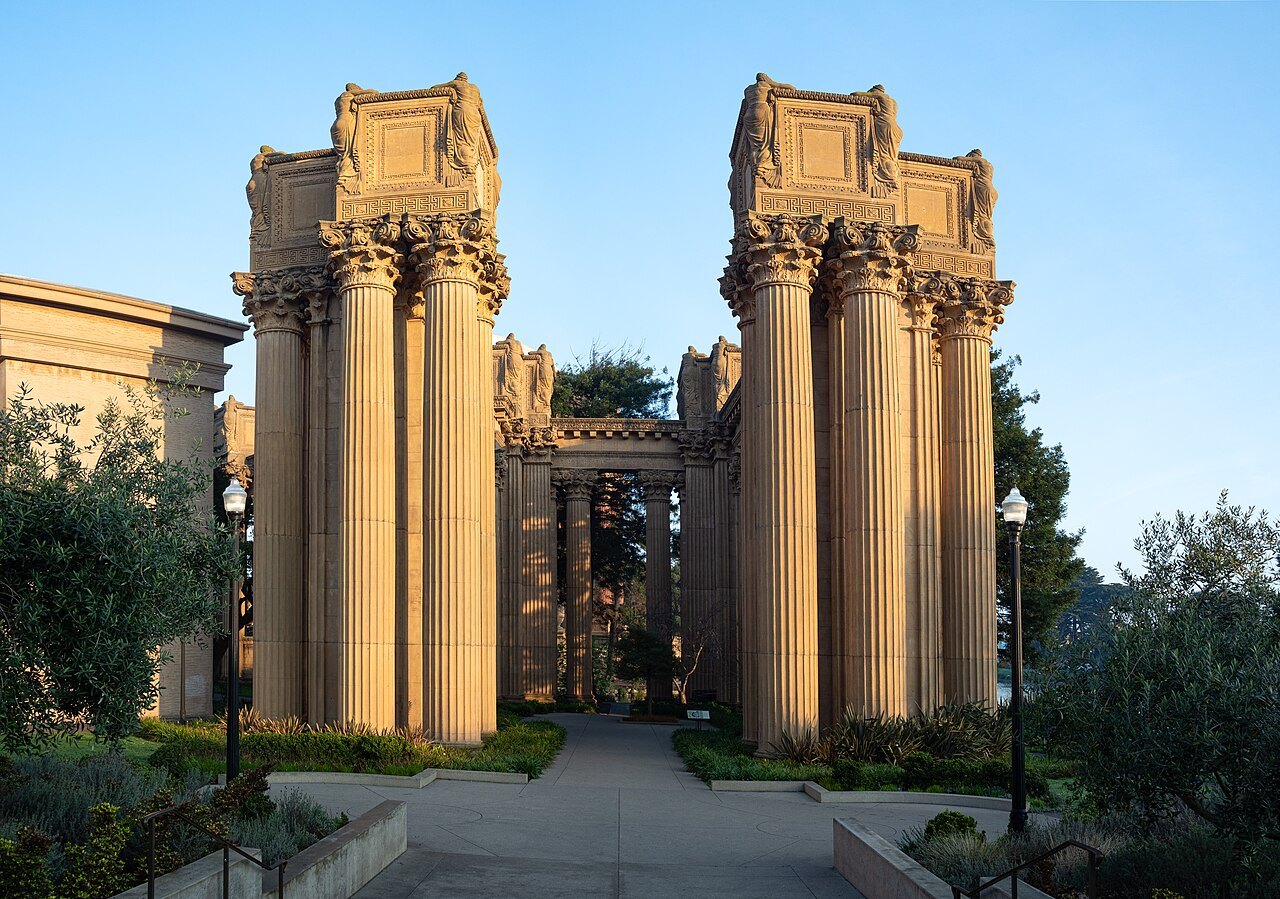
The promenade is a good place to watch sailboats, kite surfers and the ordinary traffic of the bay, with Angel Island and the Marin headlands visible across the water. The Palace of Fine Arts, a survivor of that same 1915 exposition, stands just outside the park's eastern gate and makes an easy addition before or after a walk along the shore.
The restored marsh supports shorebirds and other wildlife along its edges, and interpretive panels along the promenade explain the restoration project. Facilities such as restrooms and parking vary by season and location, so visitors should check current details with the National Park Service or the Presidio Trust before planning a long stay at the shoreline.
The Wave Organ and the walk to the bridge
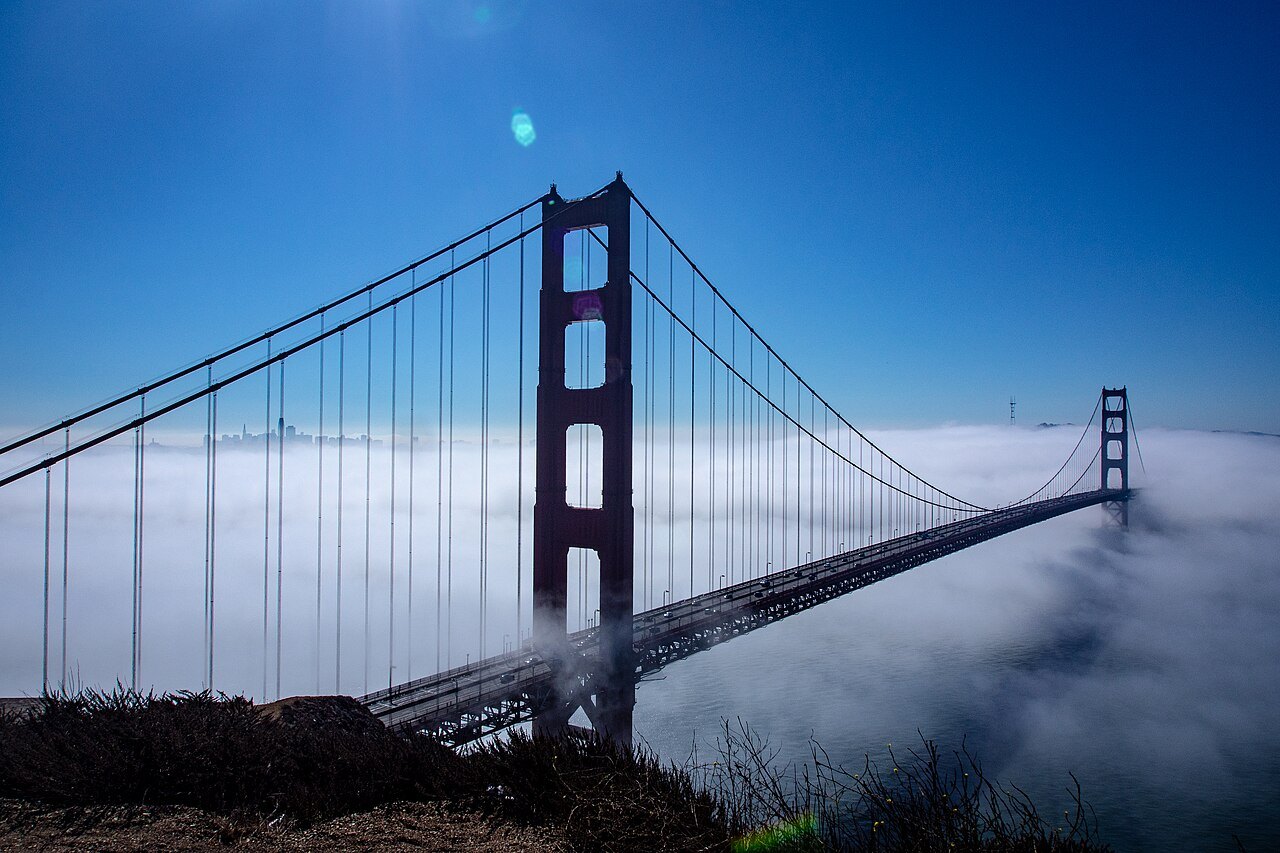
Walking the promenade west leads along the shore toward the Golden Gate Bridge, which grows steadily larger ahead with every step. The path continues to Fort Point, the brick fortress that stands directly beneath the bridge's southern end; see Golden Gate Bridge for how to reach it on foot or by crossing the span itself.
At the opposite, eastern end of Crissy Field, a breakwater leads out to the Wave Organ, a sculpture of stone and pipes set into the shoreline. It was built in 1986 by the artist Peter Richards and the stonemason George Gonzales for the Exploratorium, and dedicated to the museum's founder, Frank Oppenheimer. The site predates the park's later restoration by more than a decade.
The organ's pipes are tuned by the rise and fall of the tide, so the sound changes through the day and with the weather. Visitors usually sit on its stone terraces and listen for a few minutes rather than hurry past, making it a quiet detour at the far end of a walk along Crissy Field.
Presidio Tunnel Tops
The Presidio's newest attraction sits on the roof of a highway. When Doyle Drive, the approach road to the Golden Gate Bridge, was rebuilt in tunnels, the land above was turned into Presidio Tunnel Tops, a 14-acre park designed by the creators of New York's High Line, which opened on July 17, 2022, giving the Presidio a new entrance point from the Marina side of the park.
Its meadows, paths and overlooks connect the Main Post above to Crissy Field below, and look straight out at the bridge and the bay. Benches and viewpoints along the way make it an easy stop for anyone walking between the two areas, without the climbs that the forest trails elsewhere in the park require.
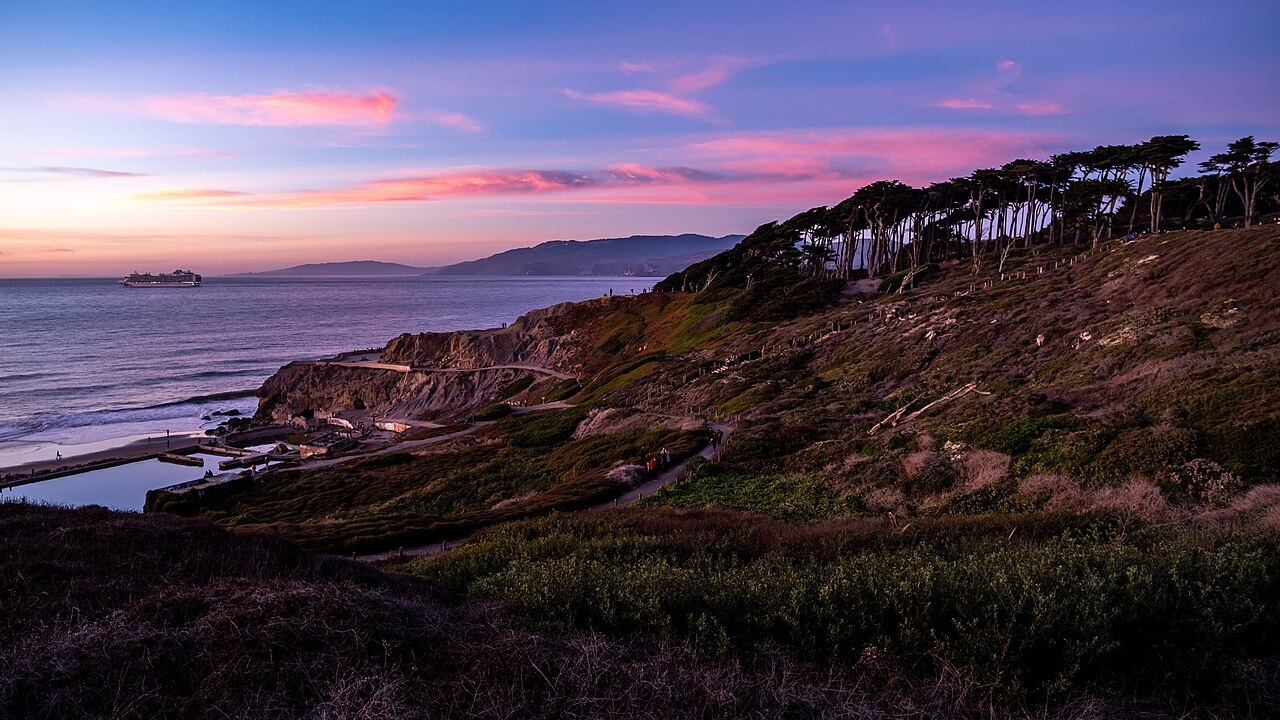
Because the park sits above a tunnel rather than on open shore, parts of it stay more sheltered, though the Presidio's wind and fog still reach across it. It lies close to the Main Post's visitor center, so it suits visitors arriving by shuttle or bus who want an easy first stop before continuing downhill toward the water.
The Main Post
Above Tunnel Tops, the Main Post keeps the character of an old Army town, with a parade ground lined by red-brick barracks. The Officers' Club here is one of the two oldest buildings in San Francisco; its walls include adobe laid by Spanish soldiers soon after the Presidio's founding in 1776.
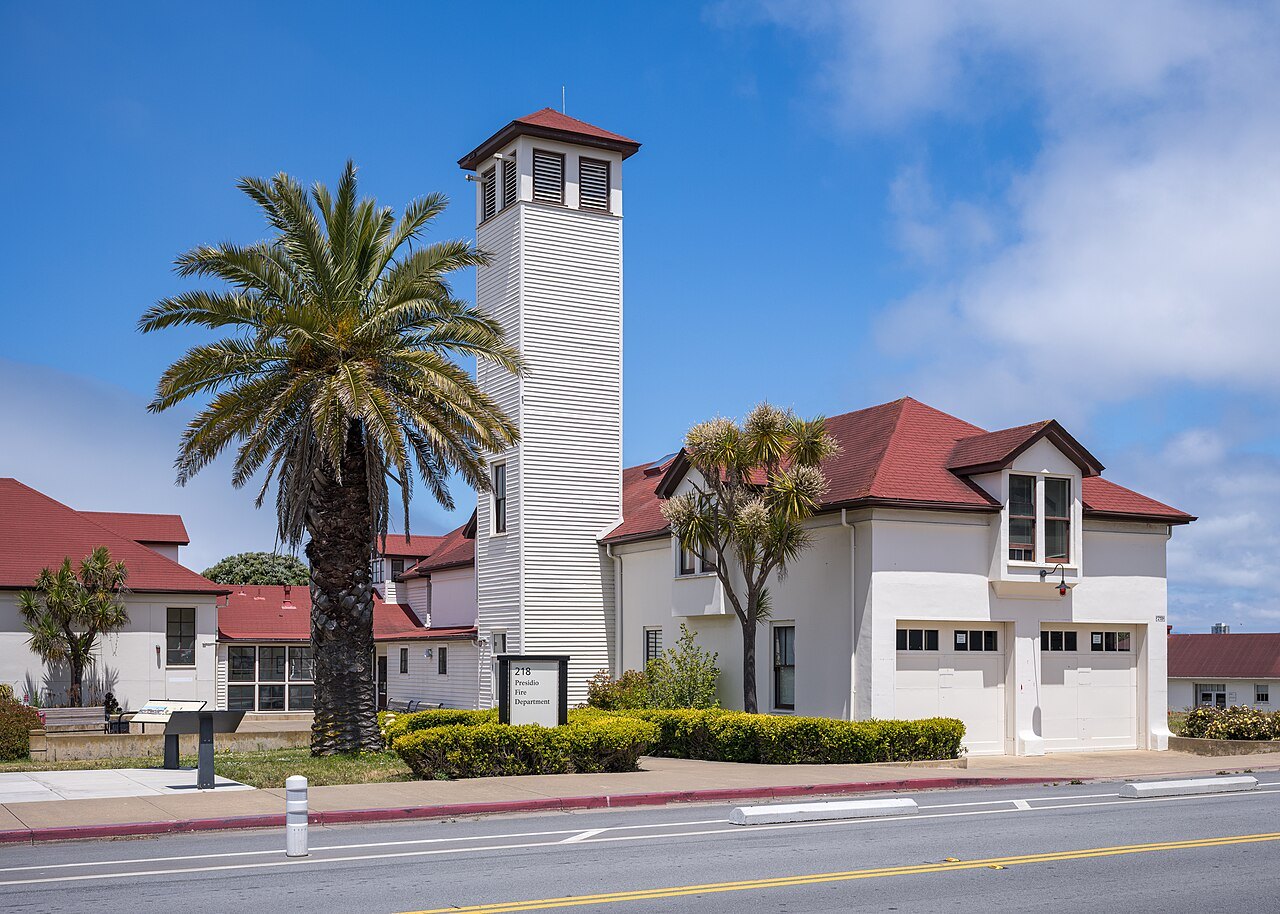
Since a remodeling in 2014 the Officers' Club has held a museum of the Presidio's history as well as a restaurant. The Presidio Visitor Center stands next to it, beside the transit center where the park's own shuttle and several Muni buses stop, making it the easiest place in the park to begin or end a visit.
The Walt Disney Family Museum stands on the parade ground; it sets its own ticketing, so check times and tickets directly with the museum rather than assuming entry on arrival. To the south, the San Francisco National Cemetery, one of only four burial grounds left inside the city limits, lies in rows on the slope below the forest.
How to visit
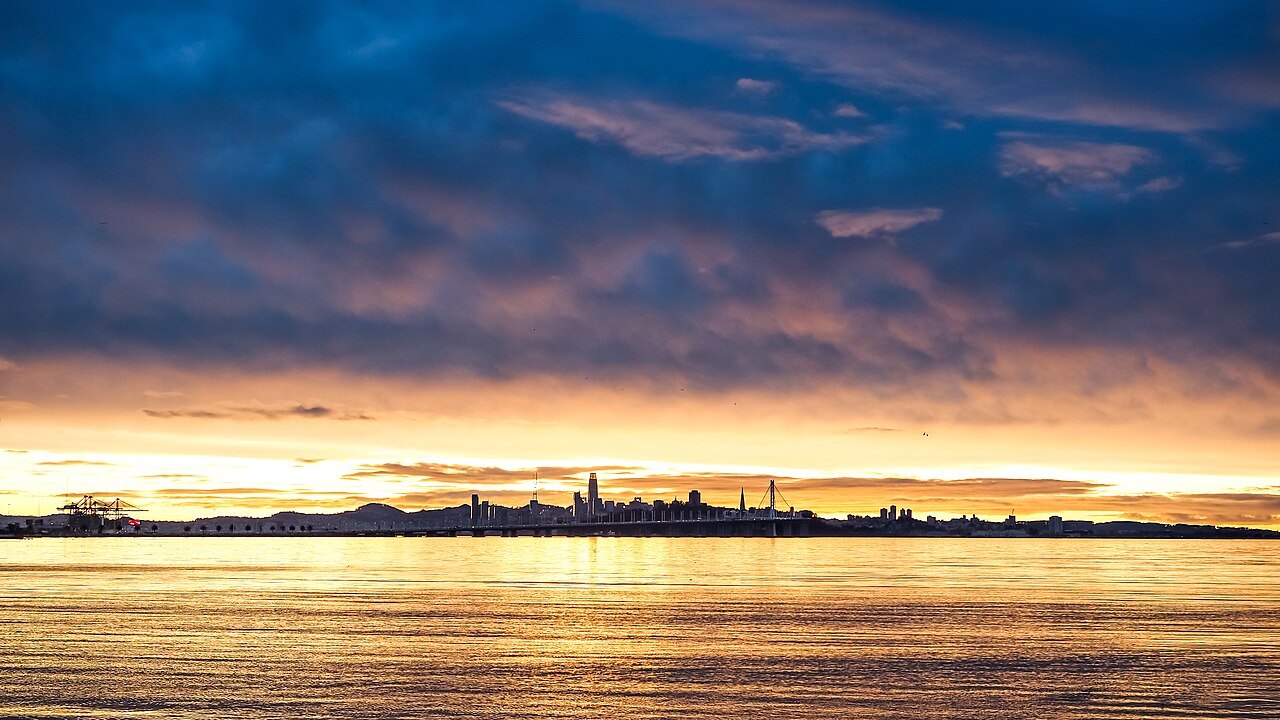
The Main Post, Tunnel Tops and Crissy Field are easy and mostly level, suited to any visitor regardless of fitness. The Presidio's trails and coastal bluffs, by contrast, involve climbs and steps, so plan accordingly; allow half a day for the shoreline and the Main Post, or a full day if the trails and old gun batteries are added. Comfortable shoes help on the bluffs and at the batteries.
The park's own shuttle and several Muni buses serve the transit center at the Main Post, making it straightforward to reach Crissy Field and Tunnel Tops without a car; see getting around for routes, stops and how they connect to the rest of the city, including connections toward downtown and the airport.
Most of the Presidio needs no advance booking, and Crissy Field and Tunnel Tops can be visited at any time within the park's posted hours. The Walt Disney Family Museum is the exception, with its own ticketing; see booking ahead for what else in the city benefits from reserving ahead of a visit.
The Presidio sits right at the Golden Gate, so it takes the fog and wind before the rest of the city does; bring layers even on a sunny day downtown. Fog and wind are common through the summer months, so check the forecast before planning time along the open shoreline.
More from the journal
- The Golden Gate Bridge and Fort PointCan you walk across the Golden Gate Bridge?Yes, on the eastern walkway, which faces the city. Which walkway is for whom, how long the crossing is, where to start and finish, what to wear for the wind, and what to look for on the way.Read the piece
- When to ComeWhy is San Francisco so cold and foggy in summer?How the cold Pacific, the hot inland valleys and the gap of the Golden Gate make San Francisco's summer fog, why it comes and goes each day, where in the city it is thinnest, and how to plan around it.Read the piece
- The SightsWhat survives of the 1906 earthquake in San Francisco?The earthquake and fire of April 1906 destroyed most of the city. Here is what came through, what was rebuilt in its place, and where you can still see the traces, from Mission Dolores to the Portals of the Past.Read the piece